What Are the Key Changes in the RBI's Draft Circular on the Lead Bank Scheme?
Synopsis
The RBI's draft circular on the Lead Bank Scheme outlines significant updates aimed at enhancing operational efficiency and encouraging public feedback. This initiative is crucial for improving the financing flow to priority sectors and strengthening rural development.
Key Takeaways
The RBI has invited public comments on the draft circular for the Lead Bank Scheme.
Feedback can be submitted until March 6, 2026.
The revised guidelines aim to enhance the Scheme's operational efficiency.
Private sector banks are encouraged to participate more actively.
The Lead Bank Scheme has been instrumental in rural financial inclusion since 1969.
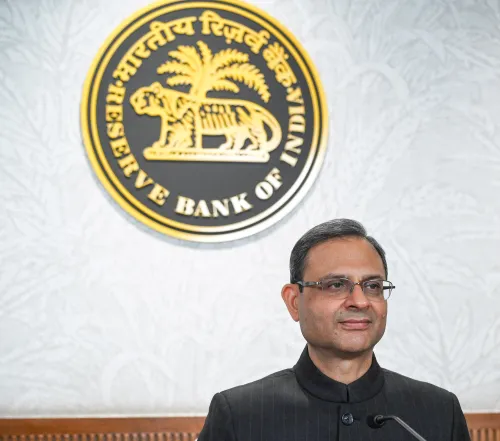
Mumbai, Feb 13 (NationPress) - The Reserve Bank of India (RBI) has released a draft circular outlining updated guidelines for the Lead Bank Scheme open for public feedback until March 6. This initiative was highlighted by Reserve Bank Governor Sanjay Malhotra during the Statement on Developmental and Regulatory Policies on February 6, aimed at refining operational processes.
The newly proposed guidelines focus on enhancing the Scheme's objectives; restructuring the membership, agenda, and framework of various forums; defining the roles and responsibilities of key stakeholders; and reinforcing the State Level Bankers' Committee and Lead District Manager offices, as per an official RBI statement.
“Comments regarding the draft circular can be submitted via email with the subject line ‘Feedback on the Draft Circular on Lead Bank Scheme’. The deadline for submitting comments is March 06, 2026,” the statement indicated.
Initially launched by the RBI in December 1969, the Lead Bank Scheme is designed to coordinate the activities of banks and other developmental agencies through various forums, aiming to increase the flow of bank financing to priority sectors and bolster banks' contributions to rural development.
Each district has a designated lead bank responsible for coordinating the efforts of credit institutions and government initiatives.
Given the numerous changes in the financial landscape, the Lead Bank Scheme was last evaluated by a High Level Committee from the RBI in 2009.
This committee engaged in extensive discussions with a variety of stakeholders, including State Governments, banks, development organizations, academicians, NGOs, and MIFIs, and concluded that the scheme has effectively met its original goals of improving branch expansion, deposit collection, and lending to priority sectors, particularly in rural and semi-urban regions.
There was strong agreement that the scheme should be maintained. Based on the committee's recommendations, guidelines were shared with SLBC convenor banks and lead banks for execution.
Encouraging a larger role for private sector banks, lead banks were advised to ensure that these banks play a more integral part in executing the Lead Bank Scheme.
Private sector banks are encouraged to actively engage by utilizing information technology and applying their expertise in strategic planning. They should also participate in both the formulation and execution of the District Credit Plan.
Point of View
I see the RBI's initiative as a pivotal move towards revitalizing the Lead Bank Scheme. Engaging the public for feedback can enhance transparency and foster collaboration among stakeholders, ultimately benefiting rural development and financial inclusion in our nation.
NationPress
7 Oct 2026
Frequently Asked Questions
What is the Lead Bank Scheme?
The Lead Bank Scheme, launched in December 1969, aims to coordinate the activities of banks and developmental agencies to enhance the flow of bank finance to priority sectors, supporting rural development.
How can I submit comments on the draft circular?
Comments can be submitted via email with the subject line ‘Feedback on the Draft Circular on Lead Bank Scheme’ until March 6, 2026.
What are the key changes proposed in the draft guidelines?
The proposed changes focus on refining the Scheme's objectives, restructuring forums, defining roles, and strengthening the State Level Bankers' Committee and Lead District Manager offices.
Who is responsible for coordinating activities in a district?
In each district, a specific bank is assigned as the lead bank, responsible for coordinating the efforts of credit institutions and the government.
When was the Lead Bank Scheme last reviewed?
The Lead Bank Scheme was last reviewed by the RBI's High Level Committee in 2009.