Will RBI’s 25 bps Rate Cut Propel Growth Amid Low Inflation?
Click to start listening
Synopsis
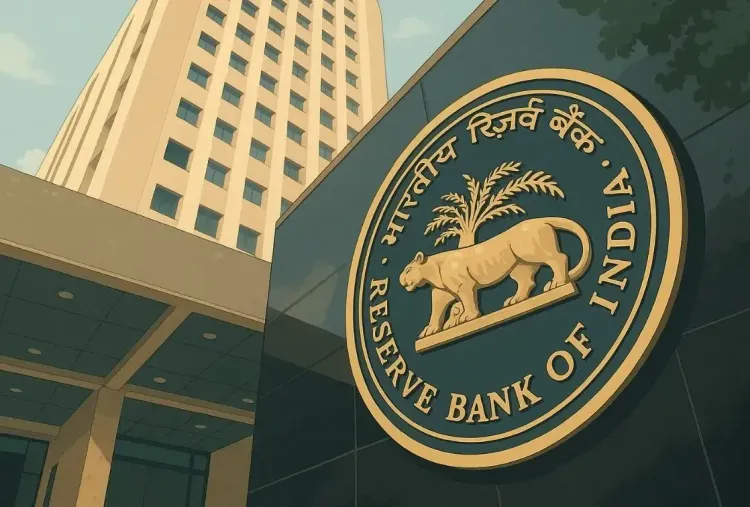
The Reserve Bank of India's recent repo rate cut by 25 basis points has sparked optimism among economists. They see this move as a crucial step to invigorate economic growth during a time of persistently low inflation. With supportive liquidity measures, the central bank aims to harness this opportunity to enhance economic momentum.
Key Takeaways
- Repo rate cut by 25 basis points announced by RBI.
- Low inflation provides a unique opportunity for economic growth.
- Liquidity measures expected to enhance rate cut transmission.
- Economists predict positive impact on growth next fiscal year.
- Upward revision of growth projections indicates confidence in the economy.
Mumbai, Dec 5 (NationPress) The Reserve Bank of India has made a significant move by reducing the repo rate by 25 basis points on Friday, which has been met with an enthusiastic response from economists. They believe this action will foster growth during a period of exceptionally low inflation.
Analysts indicate that this policy shift, coupled with liquidity measures, demonstrates the central bank's intent to leverage the current low inflation environment to enhance economic activity.
Rajani Sinha, Chief Economist at CareEdge Ratings, mentioned that the rate reduction and the decision to maintain a neutral stance were anticipated outcomes.
She highlighted that the RBI is taking advantage of this low inflation phase to encourage growth.
“The liquidity-enhancing measures will facilitate the effective transmission of previously announced rate cuts,” Sinha stated.
According to Dharmakirti Joshi, Chief Economist at Crisil, the MPC’s decision aligns with their forecasts.
He emphasized that this year, the economy has shown positive surprises in both growth and inflation, affording the central bank the opportunity to relax rates.
“Retail inflation has significantly decreased, largely due to lower food prices, and core inflation has also eased. The rate reduction is expected to bolster growth in the upcoming fiscal year as monetary policy impacts lag behind,” Joshi elaborated.
Madhavi Arora, Chief Economist at Emkay Global Financial Services, stated that the ongoing decline in inflation left the RBI with little choice but to proceed with a rate cut.
She also noted that the RBI has revised its growth forecasts upward, indicating confidence in the economy's durability.
“The liquidity injection of around Rs 1.45 lakh crore via open market operations and forex swaps will aid in the effective transmission of the rate cut,” Arora explained.
Furthermore, she remarked that the rupee's depreciation should not be regarded as an obstacle to further easing, but rather as a normal stabilizer in the economic cycle.
Point of View
The RBI's decision to cut the repo rate reflects a strategic response to current economic conditions. By acting decisively during a period of low inflation, the central bank demonstrates its commitment to fostering growth. As we navigate these challenging times, it is crucial for the RBI to maintain a balance between stimulating the economy and managing inflationary pressures.
NationPress
05/12/2025
Frequently Asked Questions
What does a repo rate cut mean?
A repo rate cut lowers the cost of borrowing for banks, which can lead to lower interest rates for consumers and businesses, ultimately stimulating economic growth.
How does low inflation impact the economy?
Low inflation generally increases purchasing power for consumers, encourages spending, and allows for more favorable borrowing conditions, which can boost economic activity.
What are liquidity measures?
Liquidity measures are actions taken by the central bank to ensure that financial institutions have enough capital to lend, which can help stabilize and stimulate the economy.
Who benefits from the rate cut?
Consumers and businesses benefit from lower interest rates, making loans more affordable and encouraging spending and investment.
What is the expected outcome of this rate cut?
The expected outcome is an increase in economic growth, as lower borrowing costs are likely to stimulate spending and investment.