Has Kerala Reported 170 Cases and 42 Deaths from Brain-Eating Amoeba Infection in 2025?
Synopsis
In a shocking report from Kerala, 170 cases and 42 deaths from the brain-eating amoeba infection have emerged in 2025. This alarming rise has prompted government action and investigations into the outbreak. Learn more about the impact and the measures being taken to combat this deadly disease.
Key Takeaways
Kerala reports 170 cases and 42 deaths in 2025.
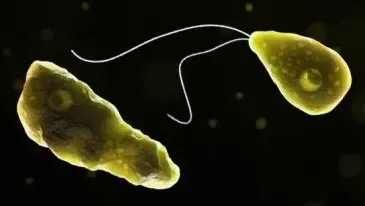
Naegleria fowleri is the primary cause of amoebic meningoencephalitis.
Government investigations and meetings are underway to address the outbreak.
Increased surveillance and IEC activities are being implemented.
Preventive measures focus on avoiding warm freshwater bodies.
New Delhi, Dec 5 (NationPress) Kerala has documented 170 cases and 42 deaths attributed to amoebic meningoencephalitis, widely referred to as the brain-eating amoeba infection, in the year 2025, as reported by the government to Parliament on Friday.
In a written statement during the Lok Sabha session, Union Health Minister Prataprao Jadhav indicated that the state has seen a cumulative total of 211 cases and 53 deaths since 2023.
“The year 2023 recorded two cases and two deaths due to this infection, which escalated to 39 cases and 9 deaths in 2024. The cases surged to 170 in 2025, resulting in 42 fatalities,” Jadhav stated.
The Minister mentioned that an investigation into the outbreak of amoebic meningoencephalitis was undertaken by the National Centre for Disease Control (NCDC) in Kozhikode last July.
“A high-level meeting was convened by the Secretary of the Department of Health Research and the Director General of the Indian Council of Medical Research (ICMR), along with national and state experts, to evaluate the increase in amoebic meningoencephalitis cases in Kerala. The National Acute Encephalitis Syndrome (AES) surveillance has been reinforced through 18 Virus Research and Diagnostic Laboratories (VRDLs), focusing on test validation, enhanced environmental monitoring, and evidence-based treatment protocols,” the Minister noted.
He highlighted that the government continues to back Information, Education, and Communication (IEC) initiatives and has collaborated with the state for research, prevention, and preparedness measures.
Moreover, comprehensive epidemiological assessments have been performed by the NCDC, reinforcing surveillance and enhancing IEC efforts. Consequently, a revised Communicable Disease (CD) alert was issued by the NCDC in New Delhi in October 2024, emphasizing management, preventive, and control strategies.
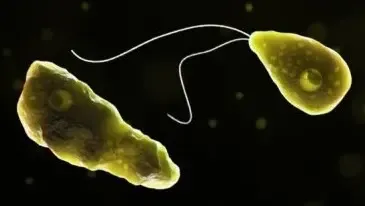
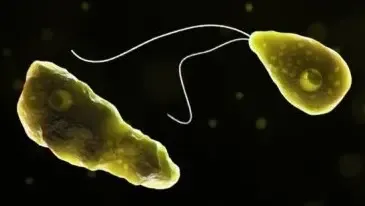
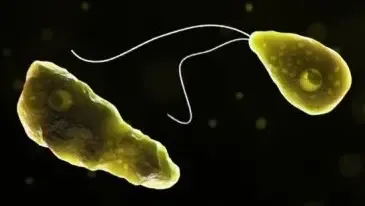
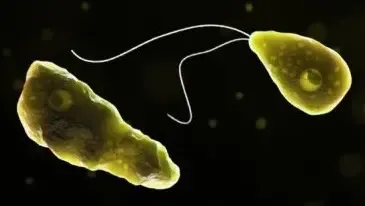
Amoebic encephalitis is an acute, severe, and rapidly fatal condition of the central nervous system primarily caused by the infection of Naegleria fowleri.
This disease generally occurs when individuals swim in warm freshwater bodies, such as lakes and rivers, where Naegleria fowleri is present.
Point of View
It is crucial to highlight the rising threat of amoebic meningoencephalitis in Kerala, which poses a significant health risk. The government's proactive stance in investigating and addressing this outbreak reflects a commitment to public health. It is essential to stay informed and vigilant about such critical health issues affecting our communities.
NationPress
30 Sept 2026
Frequently Asked Questions
What is amoebic meningoencephalitis?
Amoebic meningoencephalitis is a severe infection of the brain caused by the Naegleria fowleri amoeba, often resulting in rapid neurological decline.
How does one contract this infection?
The infection is contracted when water containing Naegleria fowleri enters the body through the nose, usually while swimming in warm freshwater bodies.
What are the symptoms of this infection?
Symptoms include headache, fever, nausea, vomiting, stiff neck, and altered mental status, progressing rapidly to severe neurological impairment.
What preventive measures can be taken?
Avoid swimming in warm freshwater lakes and rivers, especially during high temperatures, and ensure that water does not enter the nose while swimming.
What is the treatment for this infection?
Treatment options are limited, but early diagnosis and aggressive management are critical. Antifungal medications may be used, although success rates are low.