Have Rural Roads Built Under PM Scheme Crossed the 7.87 Lakh Km Mark?
Synopsis
Discover how the Pradhan Mantri Gram Sadak Yojana is transforming rural India by connecting villages with over 7.87 lakh km of roads, enhancing agriculture, employment, and access to services. This transformative initiative is paving the way for a brighter future in rural areas.
Key Takeaways
The Pradhan Mantri Gram Sadak Yojana has achieved over 7.87 lakh km of completed rural roads.
PMGSY is key for enhancing agricultural growth and employment in rural areas.
The program received Rs 19,000 crore funding for the fiscal year 2025-26.
Real-time monitoring through digital platforms ensures project transparency.
Future phases aim to connect an additional 25,000 unconnected habitations.
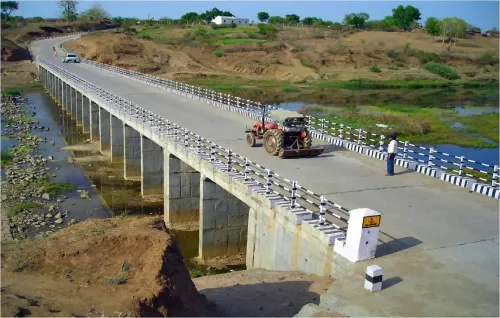
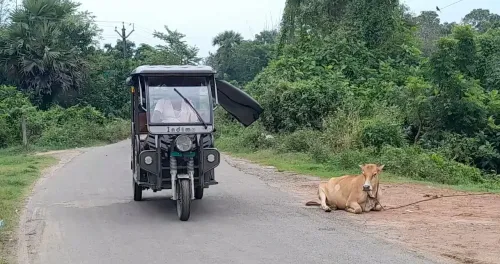
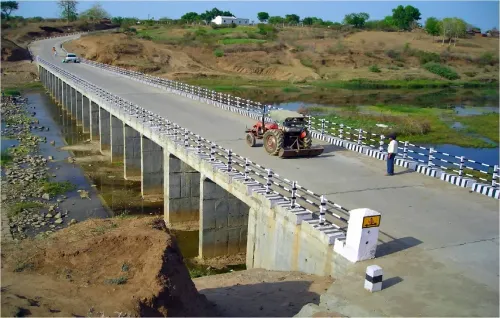
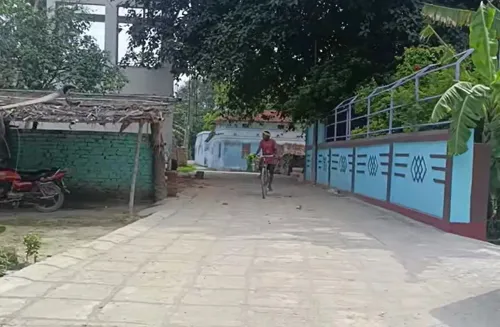
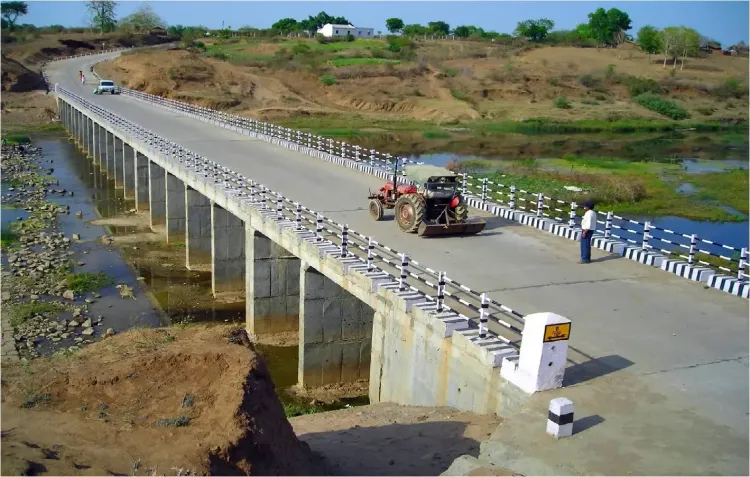
New Delhi, Dec 25 (NationPress) As we approach its 25th anniversary in 2025, the Pradhan Mantri Gram Sadak Yojana (PMGSY) emerges as one of India's most transformative rural infrastructure projects. Initiated to provide all-weather connectivity to remote rural areas, this initiative has become a significant catalyst for agricultural advancement, job creation, enhanced access to educational and healthcare services, and poverty reduction.
Since its launch, PMGSY has approved a total of 8,25,114 km of rural roads, with 7,87,520 km completed, marking a remarkable 95% physical progress as of December 2025, according to an official announcement made on Thursday.
Plans are underway to construct an additional 62,500 kilometres of roads during the upcoming implementation phase from FY 2024–25 to 2028–29, supported by a substantial financial allocation of Rs 70,125 crore. The fourth phase of PMGSY aims to offer all-weather road access to 25,000 previously unconnected rural communities.
Rural road infrastructure is a vital element of rural development, allowing access to essential economic and social services, boosting agricultural incomes, creating job opportunities, and making a notable impact on poverty alleviation.
Over the years, PMGSY has evolved into a principal driver of socio-economic development, enhancing market integration, enabling farmers to achieve better prices, and supporting livelihoods in both agricultural and non-agricultural sectors. Collectively, these achievements highlight the programme’s crucial role in promoting inclusive and sustainable rural development.
Recent budget allocations to PMGSY illustrate the government's ongoing commitment to improving rural road connectivity. For the financial year 2025–26, the programme has been allocated Rs 19,000 crore, emphasizing continued investment in rural infrastructure, ensuring consistent all-weather road access, and stimulating economic growth in rural regions.
The government’s systematic strategies have significantly enhanced the quality, longevity, and sustainability of the rural roads developed under PMGSY. The progress and performance of PMGSY road initiatives are closely monitored through advanced digital technologies and online systems, ensuring improved efficiency, transparency, and accountability, as per the statement.
The Online Management, Monitoring, and Accounting System (OMMAS) facilitates real-time oversight of all work under the Pradhan Mantri Gram Sadak Yojana, ensuring that physical and financial progress aligns with the targets set for states. To further enhance the Project Management Information System (PMIS), it has been integrated within OMMAS for more effective management of construction activities related to each road sanctioned under PMGSY-III.
OMMAS also promotes quality assurance by gathering evaluations conducted by independent quality monitors. Inspections by National Quality Monitors (NQMs) and State Quality Monitors (SQMs) are uploaded via the Quality Monitoring System (QMS) mobile application, along with geo-tagged images from the field, and are subsequently available on the OMMAS portal. This structure enables immediate quality monitoring, enhancing transparency in the provision of resilient rural infrastructure.
The Electronic Maintenance of PMGSY Roads (e-MARG) platform has been established across all States to ensure systematic oversight of PMGSY road maintenance for five years following completion, corresponding to the Defect Liability Period (DLP). With the introduction of e-MARG as a specific software module for maintenance payments, contractor payments during the DLP are now directly tied to road performance and quality outcomes. This performance-oriented contract management system has significantly bolstered accountability, raised maintenance standards, and improved the long-term durability of PMGSY assets, as stated.
Point of View
I believe the Pradhan Mantri Gram Sadak Yojana exemplifies the government's commitment to rural development. By fostering connectivity, it is not only enhancing economic opportunities but also facilitating social progress in previously underserved areas. This initiative is a testament to the importance of infrastructure development in shaping a more inclusive India.
NationPress
19 Sept 2026
Frequently Asked Questions
What is the Pradhan Mantri Gram Sadak Yojana?
The Pradhan Mantri Gram Sadak Yojana (PMGSY) is a government initiative aimed at providing all-weather road connectivity to unconnected rural habitations, significantly enhancing accessibility and socio-economic development.
How many kilometers of roads have been completed under PMGSY?
As of December 2025, PMGSY has completed approximately 7,87,520 km of rural roads, achieving nearly 95% of its sanctioned road length.
What is the financial allocation for PMGSY in 2025-26?
For the financial year 2025–26, PMGSY has been allocated Rs 19,000 crore to support ongoing road infrastructure projects.
How does PMGSY contribute to poverty alleviation?
By improving access to markets, education, and health services, PMGSY plays a vital role in boosting agricultural incomes and creating job opportunities, thereby contributing to poverty alleviation.
What technologies are used to monitor PMGSY projects?
PMGSY projects are monitored using the Online Management, Monitoring, and Accounting System (OMMAS), which ensures transparency, efficiency, and accountability in project implementation.