South Korea exports surge 54% in early July on record chip shipments
Synopsis
South Korea's first-10-days-of-July export tally hit an all-time record of $29.8 billion — the highest ever for any 10-day customs window — with semiconductors nearly tripling to $11.2 billion. The Bank of Korea is pushing back against peak-cycle fears, calling the AI-driven chip boom structurally different from past cycles. With a year-to-date surplus of $144 billion, Seoul's trade engine is running at full throttle.
Key Takeaways
South Korea's exports reached a record $29.8 billion in the July 1–10 period, up 53.9 per cent year-on-year.
Semiconductor exports nearly tripled to $11.2 billion , the primary driver of growth.
Exports to China surged 88.7 per cent to $7 billion ; exports to the US rose 43.2 per cent to $4.91 billion .
The trade surplus for the 10-day period stood at $6.4 billion ; year-to-date surplus reached $144 billion .
The Bank of Korea said the AI-driven chip supercycle is ongoing and the global semiconductor market remains undersupplied.
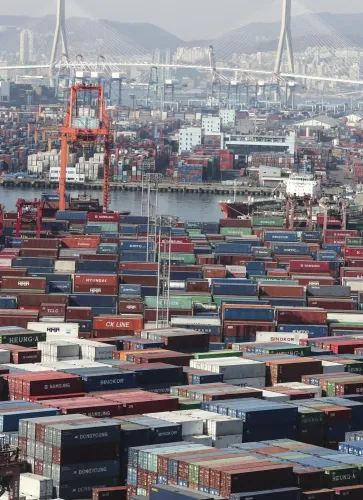
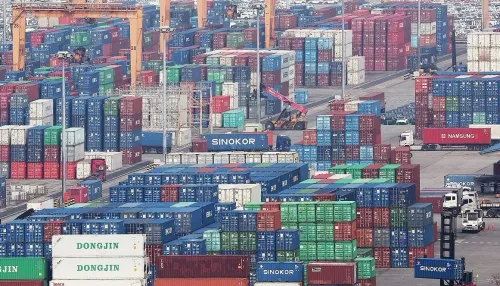
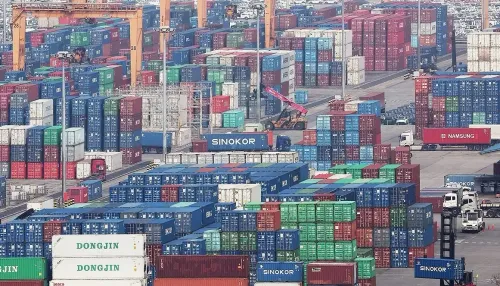
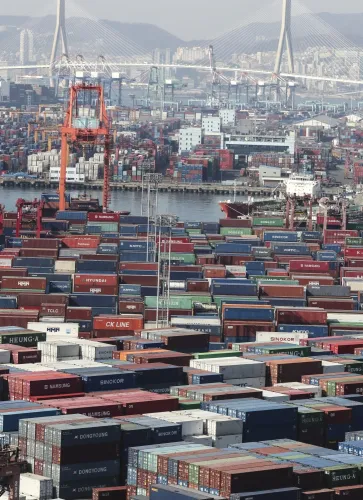
South Korea's exports jumped 53.9 per cent year-on-year in the first 10 days of July, reaching a record US$29.8 billion — the highest figure ever recorded for any 10-day period by the Korea Customs Service. The surge was driven primarily by a near-tripling of semiconductor shipments, underscoring the country's outsized dependence on chip exports amid a global AI-fuelled demand cycle.
Record-Breaking Export Numbers
Outbound shipments in the July 1–10 period came in at $29.8 billion, up sharply from $19.3 billion in the same period a year ago, according to data from the Korea Customs Service. The previous 10-day record stood at $28.6 billion, set in June. Imports over the same period rose 17.4 per cent year-on-year to $23.5 billion, yielding a trade surplus of $6.4 billion.
Semiconductors Nearly Triple, Autos and Ships Also Climb
Semiconductor exports nearly tripled to $11.2 billion, accounting for the bulk of the overall gain. Automobile exports rose 5.7 per cent to $1.89 billion, while petroleum product shipments advanced 22.7 per cent to $1.75 billion. Ship exports climbed 75.1 per cent to $1.54 billion, reflecting a broad-based recovery across key industrial categories.
China and US Lead Destination Markets
By destination, exports to China surged 88.7 per cent to $7 billion, while shipments to the United States rose 43.2 per cent to $4.91 billion. Both markets registered double-digit growth, suggesting that global demand for Korean goods — particularly chips — remains robust across the two largest economies. This comes amid ongoing geopolitical tensions that have periodically disrupted trade flows between Seoul and Beijing.
Cumulative Exports and the AI Supercycle
As of the end of last week, cumulative exports for the year totalled $526.1 billion, up 48.6 per cent from the same period a year earlier, with a year-to-date trade surplus of $144 billion. The Bank of Korea (BOK) weighed in on the broader chip outlook, stating that the global semiconductor market remains undersupplied and that the current AI-driven supercycle is expected to continue. 'While semiconductor demand has surged significantly due to investments in artificial intelligence (AI) infrastructure, the pace of supply expansion has been slow,' the BOK said in a report submitted to Representative Park Sung-hoon. The central bank added that the current chip cycle differs from previous ones because it is being driven by competitive corporate investment in anticipation of fundamental changes to the industrial ecosystem brought about by the spread of AI — a dynamic that, it argued, dismisses concerns that the cycle has already peaked.
What to Watch
Analysts will be tracking whether the semiconductor momentum sustains through the rest of July, particularly as global AI infrastructure spending faces scrutiny over return-on-investment timelines. South Korea's export performance for the full month will be a key data point for regional trade sentiment and for gauging whether the BOK's optimistic chip-cycle assessment holds.
Point of View
Any demand softening in AI infrastructure spending would hit Seoul's trade figures disproportionately hard. The Bank of Korea's confident 'supercycle' framing is notable precisely because central banks rarely make such forward-looking sectoral calls; it signals institutional conviction, but also raises the stakes if the AI investment cycle moderates faster than expected. The 88.7 per cent jump in China-bound exports also deserves scrutiny — it partly reflects a low base from last year's diplomatic friction, and may not represent a durable trend given ongoing technology-export controls from Washington that complicate Seoul's balancing act between its two largest partners.
NationPress
12 Oct 2026
Frequently Asked Questions
How much did South Korea's exports grow in early July?
South Korea's exports rose 53.9 per cent year-on-year to $29.8 billion in the July 1–10 period, the highest figure ever recorded for any 10-day window by the Korea Customs Service. The previous record was $28.6 billion, set in June.
What drove South Korea's export surge in July?
Semiconductor exports were the primary driver, nearly tripling to $11.2 billion. Ship exports also jumped 75.1 per cent, while petroleum products and automobiles posted solid gains as well.
What is South Korea's year-to-date trade position?
As of the end of last week, South Korea's cumulative exports for the year totalled $526.1 billion, up 48.6 per cent from a year earlier, with a year-to-date trade surplus of $144 billion.
What did the Bank of Korea say about the semiconductor cycle?
The Bank of Korea said the global semiconductor market remains undersupplied and that the AI-driven chip supercycle is expected to continue. It argued the current cycle differs from past ones because it is fuelled by competitive corporate investment tied to structural changes brought by AI adoption.
Which countries are the top destinations for South Korean exports?
China was the top destination, with exports surging 88.7 per cent to $7 billion in the July 1–10 period. The United States was second, with exports rising 43.2 per cent to $4.91 billion.