South Korea's Exports Soar 29% in February, Driven by Semiconductor Demand
Synopsis
Discover how South Korea achieved a historic 29% increase in exports in February, reaching an all-time monthly high, primarily due to the surge in semiconductor demand amidst the AI boom. This remarkable growth reflects the country's robust trade performance despite fewer working days.
Key Takeaways
Exports surged by 29% in February, reaching a record $67.45 billion.
Semiconductor demand is a primary driver of growth.
Trade surplus of $15.51 billion is the highest in history.
Exports of chips increased by 160.8% .
Auto exports faced a significant decline.
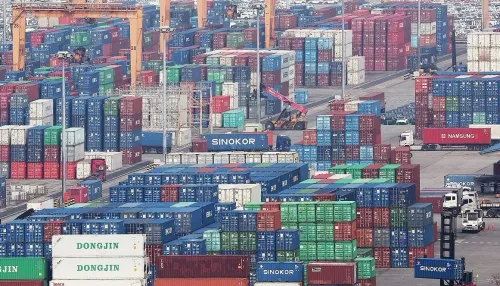
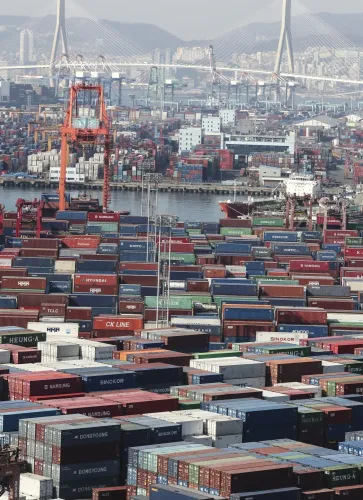
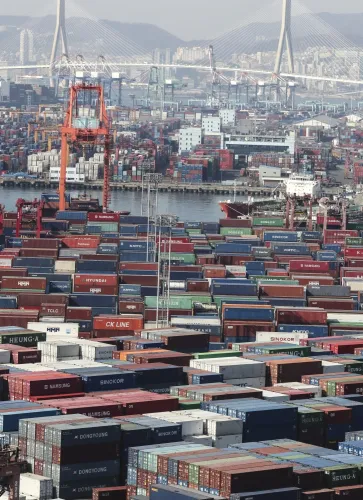
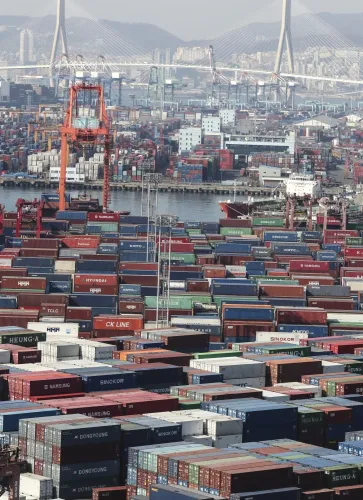
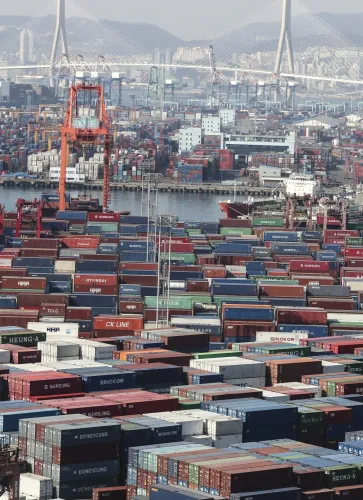
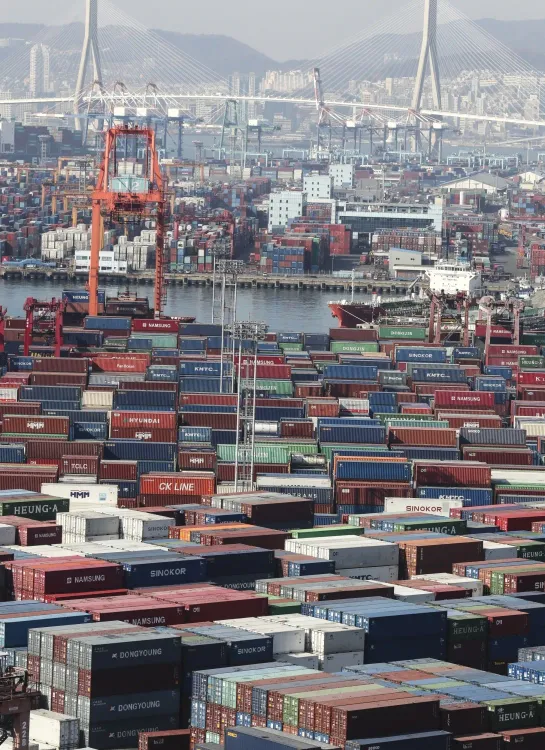
Seoul, March 1 (NationPress) South Korea experienced a remarkable 29% surge in exports in February compared to the previous year, achieving the highest monthly total ever documented. This growth was primarily propelled by an increased demand for semiconductors amidst the ongoing artificial intelligence (AI) boom, according to data released by the government on Sunday.
In total, outbound shipments reached $67.45 billion last month, which is a significant increase from $54.2 billion a year prior, as reported by the Ministry of Trade, Industry and Resources, and cited by Yonhap news agency.
This record-breaking export figure was achieved despite a reduction of three working days compared to the same month last year due to the Lunar New Year holiday occurring in February this year, unlike in January 2025.
Daily exports soared by 49.3% year-on-year, averaging $3.55 billion per day, crossing the $3 billion threshold for the first time.
Since June of the previous year, exports have returned to year-on-year growth and have consistently achieved record highs for the past nine months.
Imports also saw an increase of 7.5% year-on-year, totaling $51.94 billion, resulting in a trade surplus of $15.51 billion, the highest recorded in the nation's history, as per the ministry's data.
February marked the 13th consecutive month of a trade surplus, with the robust export figures largely attributed to the soaring demand for semiconductors.
Exports of chips skyrocketed by 160.8% year-on-year, reaching an unprecedented $25.16 billion, driven by rising memory chip prices due to the strong demand for AI servers.
For the third month in a row, semiconductor exports surpassed the $20 billion mark.
Wireless communication device exports, including mobile phones, rose by 12.7% to $1.47 billion, continuing a streak of four months of year-on-year growth.
Computer exports soared by 221.6% to $2.56 billion, marking a fifth consecutive month of increases.
Conversely, automobile exports declined by 20.8% year-on-year to $4.81 billion in February, while shipments of auto parts fell by 22.4% to $1.45 billion, attributed to reduced production due to fewer working days, according to the ministry.
Moreover, exports of petroleum products decreased by 3.9% year-on-year, totaling $3.73 billion, due to lower global oil prices affecting export prices.
Petrochemical exports fell by 15.4% to $3.33 billion, and steel exports decreased by 7.8% to $2.36 billion, both impacted by lower export prices resulting from a global oversupply.
Regarding export destinations, shipments to the United States rose by 29.9% to $12.85 billion, marking a record high for any February, fueled by a significant increase in semiconductor and computer exports to the nation.
Point of View
It is noteworthy that South Korea's export growth reflects a strategic response to global demand for technology products, particularly semiconductors. This trend signals a robust economy that is adapting well to changing market conditions, reinforcing the nation's position in the global trade landscape.
NationPress
22 Sept 2026
Frequently Asked Questions
What factors contributed to the surge in South Korea's exports?
The significant increase in exports was driven primarily by a heightened demand for semiconductors, largely due to the growing artificial intelligence (AI) sector.
How much did South Korea's exports increase in February?
In February, South Korea's exports surged by nearly 29% year-on-year, reaching a total of $67.45 billion.
What was the trade surplus for South Korea in February?
The trade surplus reached an all-time high of $15.51 billion in February.
How did the Lunar New Year affect working days?
The number of working days decreased by three days compared to the previous year due to the Lunar New Year holiday occurring in February.
What trends were observed in other export categories?
While semiconductor exports rose significantly, auto exports fell by 20.8%, and petroleum and petrochemical exports also saw declines.