How Did S. Korean Exports Surge By 44.4%?
Synopsis
In a striking development, South Korea's exports soared by 44.4% in the first 10 days of February, driven by an insatiable demand for semiconductors. This surge highlights the country's pivotal role in the global tech supply chain and reflects ongoing trends in AI. Discover how these dynamics are shaping the nation's economy.
Key Takeaways
South Korea's exports surged by 44.4% in early February.
Strong demand for semiconductors drives growth.
Exports totaled US$21.39 billion in the first 10 days.
Trade surplus of $64 million reported.
China and the US are key markets for South Korean exports.
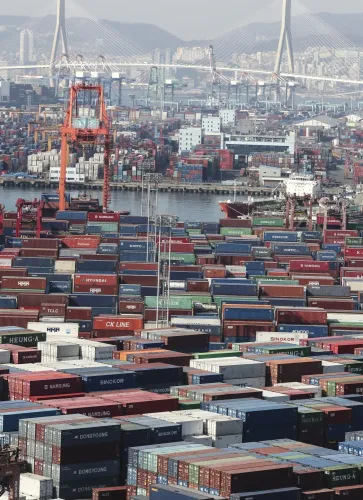
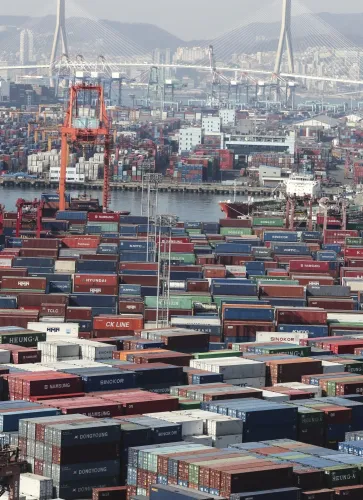
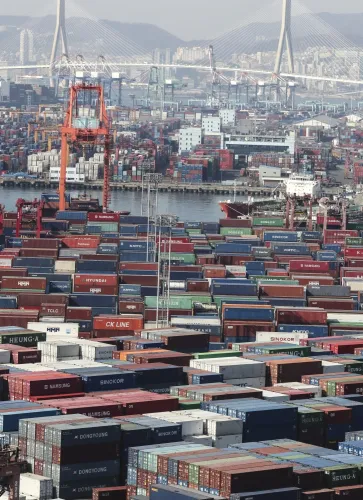
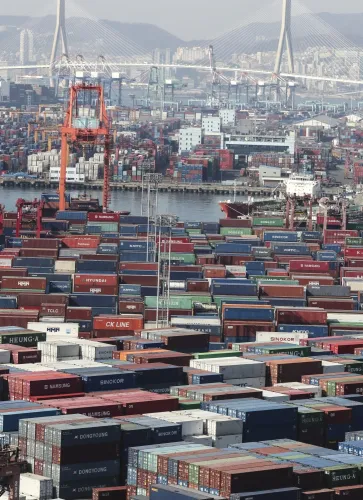
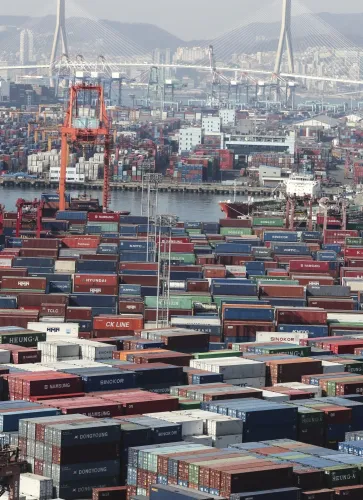
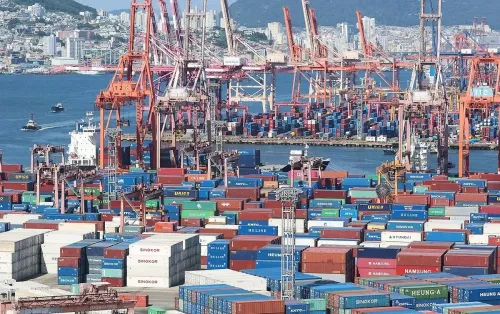
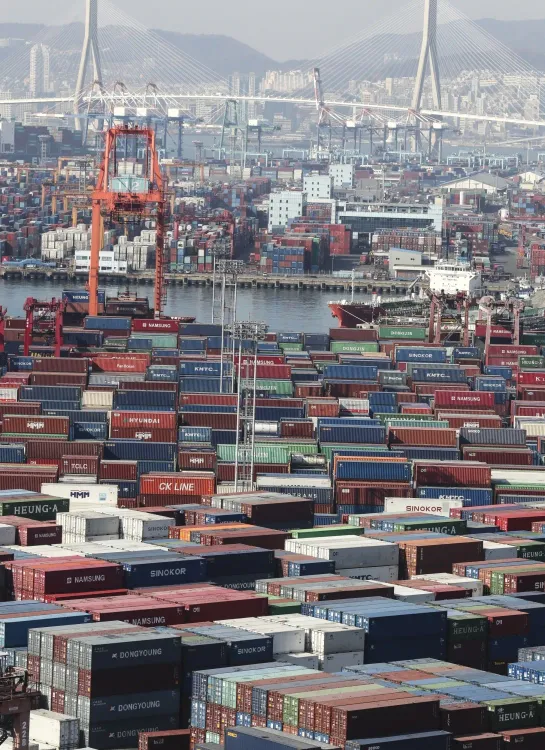
Seoul, Feb 11 (NationPress) South Korea's exports have experienced a remarkable increase of 44.4 percent compared to the same period last year during the initial 10 days of February, primarily due to the strong demand for semiconductors, according to data released on Wednesday.
The total outbound shipments amounted to US$21.39 billion from February 1 to 10, which is a significant rise from $14.81 billion recorded a year ago, based on information from the Korea Customs Service as reported by Yonhap news agency.
Meanwhile, imports also saw an increase of 21.1 percent year-on-year, totaling $20.74 billion for the same period, leading to a trade surplus of $64 million.
The average daily export volume rose by 34.8 percent year-on-year, aided by an increase of 0.5 working days compared to the previous year, bringing the total to 7.5 days.
In terms of specific products, exports of semiconductors surged by 137.6 percent year-on-year, reaching $6.73 billion, fueled by the global artificial intelligence (AI) boom.
Semiconductors now account for 31.5 percent of the total exports from South Korea during this timeframe, representing an increase of 12.3 percentage points from the same period last year.
Moreover, petroleum product exports climbed by 40.1 percent to $1.52 billion.
Conversely, automobile exports saw a decline of 2.6 percent year-on-year, totaling $1.35 billion, and there was a 29 percent decrease in vessel shipments, which amounted to $663 million.
In terms of destinations, exports to China, South Korea's largest trading partner, surged by 54.1 percent year-on-year, reaching $4.55 billion.
Exports to the United States also rose significantly by 38.5 percent to $3.6 billion, despite the tariff policies implemented by the administration of former President Donald Trump.
In January, exports had already grown by 33.9 percent year-on-year to $65.85 billion, also driven by strong semiconductor demand.
On a different note, South Korean stocks traded positively late Wednesday morning, buoyed by gains in the automotive and biopharmaceutical sectors due to institutional buying.
As of 11:20 a.m., the benchmark Korea Composite Stock Price Index (KOSPI) had increased by 42.82 points, or 0.81 percent, reaching 5,344.51.
The index initially opened lower following disappointing U.S. retail sales data, which raised concerns about a potential economic slowdown, while comments from some Federal Reserve officials dampened expectations for interest rate cuts.
Point of View
The recent surge in South Korea's exports, particularly in semiconductors, is a clear indicator of the nation’s strength in the global market. This growth not only reflects the demand for technology but also emphasizes the importance of maintaining competitive trade practices. We will continue to monitor how these trends evolve.
NationPress
24 Sept 2026
Frequently Asked Questions
What are the main drivers of South Korea's export growth?
The primary driver of South Korea's export growth is the strong demand for semiconductors, particularly in the context of the global artificial intelligence boom.
How did imports change during this period?
Imports rose by 21.1 percent year-on-year, totaling $20.74 billion, resulting in a trade surplus of $64 million.
Which products saw significant export increases?
Exports of semiconductors surged by 137.6 percent, while petroleum product exports increased by 40.1 percent.
How did exports perform with respect to major trading partners?
Exports to China increased by 54.1 percent, and exports to the United States rose by 38.5 percent.
What impact did these export figures have on the stock market?
South Korean stocks traded higher, with the KOSPI index showing gains, influenced by the positive export data.