Punjab CM Bhagwant Mann pays tribute to Guru Ka Bagh Morcha martyrs
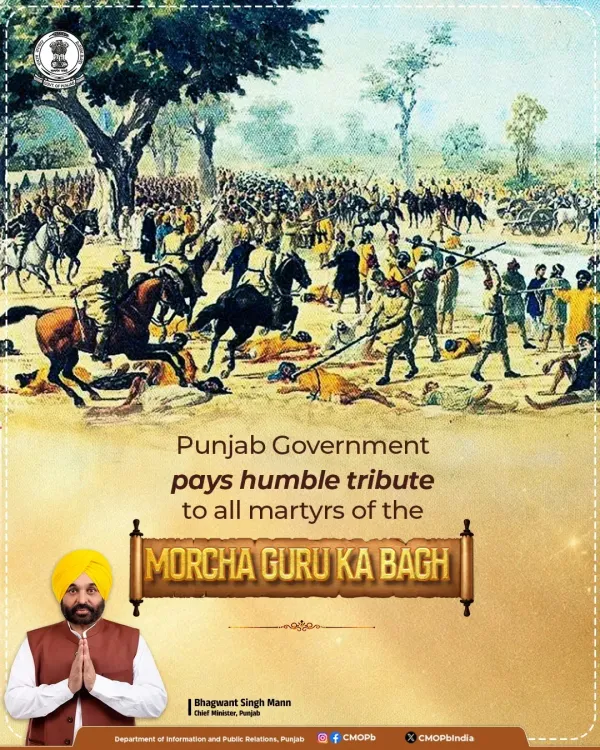
Synopsis
The Bhagwant Mann-led Punjab government paid tributes to martyrs of the Morcha Guru Ka Bagh, the landmark 1922 non-violent Sikh agitation near Amritsar that challenged British restrictions on a sacred site and led directly to the Sikh Gurdwaras Act of 1925.
Key Takeaways
The Chief Minister's Office of Punjab announced tributes to martyrs of the Morcha Guru Ka Bagh on August 8, 2026 .
The Guru Ka Bagh Morcha was a non-violent Sikh agitation in 1922 near Amritsar , resisting British restrictions on a site linked to Guru Arjan Dev .
Hundreds of protesters were arrested and injured during the agitation, which drew widespread attention to the Sikh reform movement.
The morcha directly contributed to the passage of the Sikh Gurdwaras Act, 1925 , transferring gurdwara control to the SGPC .
Punjab governments across political dispensations have routinely marked anniversaries of colonial-era Sikh resistance movements.
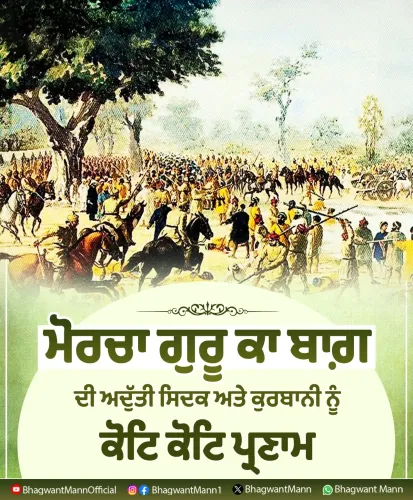
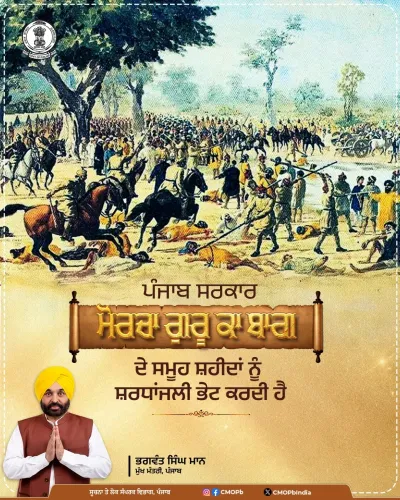
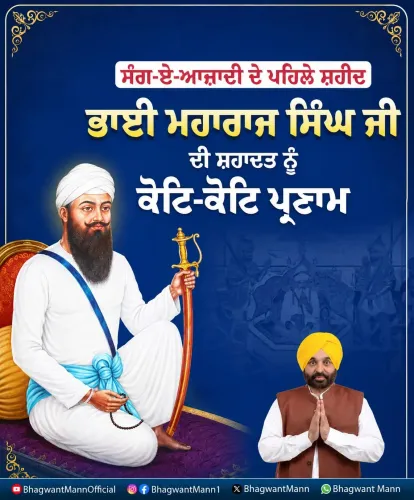
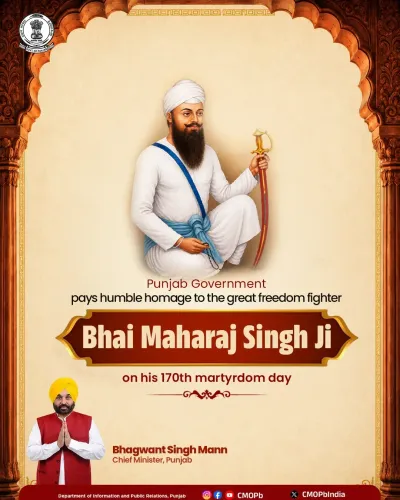
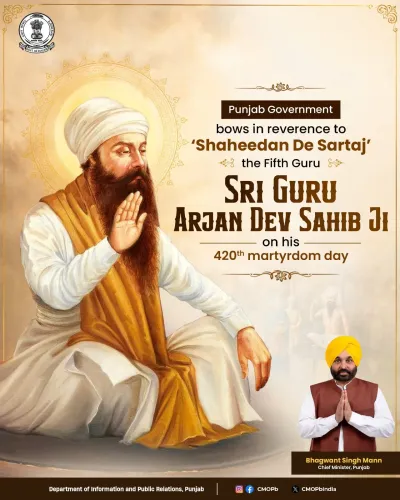
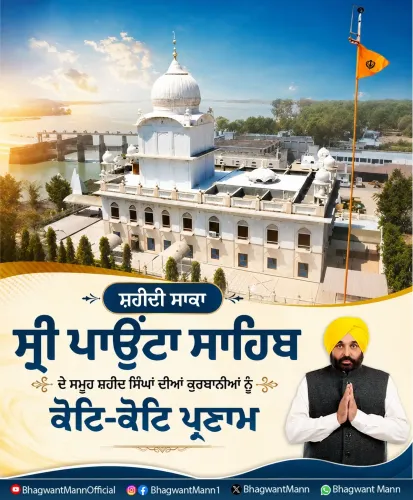
More than a century after unarmed Sikh protesters faced British batons at Guru Ka Bagh, Punjab has not forgotten them. On Saturday, August 8, 2026, the Chief Minister's Office of Punjab announced that the Bhagwant Mann-led state government paid humble tributes to all martyrs of the Morcha Guru Ka Bagh — one of the most consequential non-violent agitations of colonial India.
What the Guru Ka Bagh Morcha was — and why it still matters
In 1922, Sikh protesters gathered near Amritsar to challenge British restrictions on a sacred site associated with Guru Arjan Dev, the fifth Sikh Guru. The agitation was strikingly Gandhian in character: demonstrators walked peacefully into police cordons, absorbed beatings without retaliation, and returned the next day. Hundreds were arrested and injured. The world took notice. The moral force of that resistance did not dissipate after the protests ended. It fed directly into legislative change — the Sikh Gurdwaras Act of 1925, which transferred control of historic gurdwaras from hereditary mahants (many of whom collaborated with the British) to an elected Sikh body, the Shiromani Gurdwara Parbandhak Committee (SGPC). That institutional framework governs Punjab's sacred spaces to this day.A state tradition of remembrance
Punjab governments across political lines have long marked anniversaries tied to colonial-era Sikh resistance. These commemorations carry weight beyond ceremony — they signal continuity between the state and a community whose history of sacrifice shaped both the Punjab of the British Raj and the democratic republic that followed. For the Aam Aadmi Party government, the tribute is also an assertion of rootedness in Punjabi identity at a time when the party governs a state with a majority Sikh population. The SGPC and community organisations typically hold their own observances around the Morcha's August–September anniversary dates, often running parallel to state-level commemorations. A hundred years on, the men who stood still and took the blows at Guru Ka Bagh remain the sharpest argument Punjab knows for the power of principled non-violence.Point of View
Which displaced the Akali Dal — a party that has long claimed custodianship of Sikh heritage — such commemorations are a way of planting a flag in contested cultural terrain. The Guru Ka Bagh Morcha's legacy is particularly resonant because it produced durable institutional change, the SGPC, making it both a spiritual and a political touchstone. Expect these annual observances to intensify as Punjab's 2027 electoral cycle draws closer.
NationPress
22 Sept 2026
Frequently Asked Questions
What was the Guru Ka Bagh Morcha?
The Guru Ka Bagh Morcha was a non-violent Sikh agitation in 1922 near Amritsar, in which protesters challenged British restrictions on a gurdwara site linked to Guru Arjan Dev. Hundreds were beaten and arrested, but demonstrators refused to retaliate, drawing global attention to the Sikh reform movement.
Why is the Guru Ka Bagh Morcha historically significant?
The morcha is historically significant because it was a defining moment of Gandhian-style non-violent resistance in colonial Punjab and directly contributed to the passage of the Sikh Gurdwaras Act of 1925, which placed historic gurdwaras under the elected Shiromani Gurdwara Parbandhak Committee (SGPC).
What did the Punjab government say about the Guru Ka Bagh Morcha in 2026?
On August 8, 2026, the Chief Minister's Office of Punjab announced that the Bhagwant Mann-led Punjab government paid humble tributes to all martyrs of the Morcha Guru Ka Bagh.
Who is Bhagwant Mann?
Bhagwant Mann is the Chief Minister of Punjab, heading the Aam Aadmi Party government since March 2022.
What is the Sikh Gurdwaras Act 1925?
The Sikh Gurdwaras Act of 1925 was legislation passed by the British Indian government that transferred control of historic Sikh shrines from hereditary mahants to the Shiromani Gurdwara Parbandhak Committee (SGPC), an elected representative body of the Sikh community.