Did South Korea's food exports reach a record high in 2025?
Synopsis
South Korea's food and agricultural exports have soared to a record-breaking $13.62 billion in 2025, driven by global demand for Korean cuisine. This achievement highlights the country's thriving export sector, particularly in ramen and other popular products.
Key Takeaways
South Korea's food exports reached a record $13.62 billion in 2025.
K-Food Plus initiative drove a 5.1% increase in exports.
Ramyeon exports achieved $1.5 billion for the first time.
Exports of sauces and ice cream also saw significant growth.
The Bank of Korea is likely to maintain its policy rate.
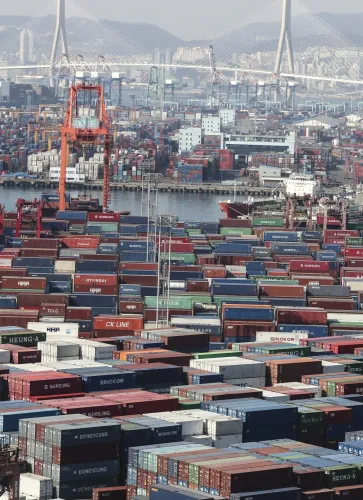
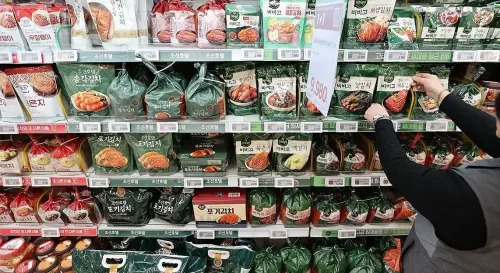
Seoul, Jan 12 (NationPress) South Korea has achieved a remarkable milestone in its food and agriculture exports, reaching an unprecedented $13.62 billion in 2025. This surge is attributed to the increasing global demand for Korean culinary products, including ramyeon noodles, sauces, and various fruits, as stated by the agriculture ministry on Monday.
The exports in the K-Food Plus category saw a growth of 5.1 percent compared to the previous year, marking a new annual high, as reported by the Ministry of Agriculture, Food and Rural Affairs. The term K-Food Plus was introduced by the government to enhance the exportation of Korean food and agricultural items, which also encompasses farm machinery and veterinary medicines, as per Yonhap news agency.
Specifically, outbound shipments of agricultural and food products surged by 4.3 percent year-on-year, totaling $10.41 billion, surpassing the $100 billion threshold for the first time and achieving the 10th consecutive year of growth.
Exports related to the agriculture sector, including farm machinery and veterinary medicines, soared by 8 percent to an all-time high of $3.22 billion last year, according to the ministry.
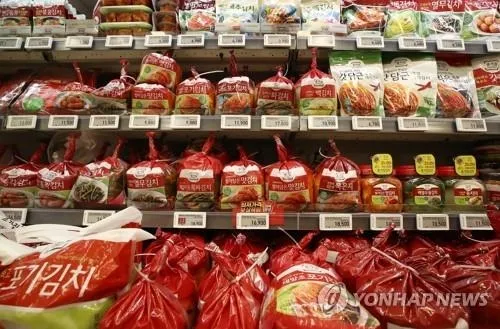
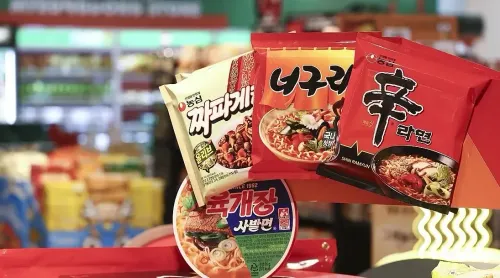
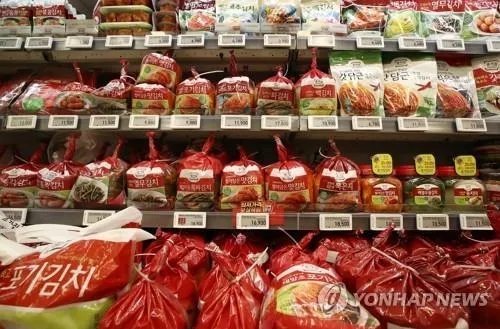
The robust performance of food exports is largely attributed to record outbound shipments of Korean instant noodle products, commonly known as ramyeon, along with 11 other products such as sauces, kimchi, ice cream, strawberries, and pork.
Exports of ramyeon reached $1.5 billion for the first time, marking a remarkable 21.9 percent increase from the previous year, while sauce exports rose by 4.6 percent to $411.9 million.
Shipments of ice cream experienced a significant increase of 21.6 percent to $111.3 million, while grape exports soared by 46.3 percent to $84.7 million. Additionally, strawberry exports increased by 4 percent to $72 million.
On another note, the South Korean central bank is widely anticipated to maintain its policy rate this week in an effort to support the weakening currency and stabilize a troubled property market, according to a poll conducted on Monday.
A survey by Yonhap Infomax, the financial news division of Yonhap News Agency, indicated that all 25 local analysts and experts surveyed expect the Bank of Korea (BOK) to keep its benchmark rate steady at 2.5 percent during its policy meeting on Thursday.
Moreover, a separate survey conducted by Yonhap News Agency among six additional experts also found unanimous expectations for a rate freeze this month.
The BOK's Monetary Policy Board has maintained the key rate unchanged for four consecutive meetings through November, although the central bank initiated an easing cycle in October 2024.
Point of View
The impressive growth of South Korea's food exports signals not only a thriving agricultural sector but also an increasing global interest in Korean culture and cuisine. It's essential to recognize the strategic initiatives, such as K-Food Plus, that have contributed to this success, positioning South Korea as a formidable player in the global food industry.
NationPress
21 Sept 2026
Frequently Asked Questions
What factors contributed to the rise in South Korea's food exports?
The increase in South Korea's food exports can be attributed to the growing global popularity of Korean cuisine, particularly products like ramyeon, sauces, and fruits, alongside government initiatives like K-Food Plus.
Which products saw the highest growth in exports?
Notable growth was seen in exports of ramyeon, which reached $1.5 billion, as well as sauces, ice cream, and strawberries, all of which experienced significant year-on-year increases.
How has the Bank of Korea responded to the economic landscape?
The Bank of Korea is expected to maintain its policy rate at 2.5% to support the weakening currency and stabilize the property market, reflecting a cautious approach amidst ongoing economic challenges.