South Korea imposes anti-dumping tariffs on PVC resin from Germany, France, Norway, Sweden
Synopsis
South Korea's trade regulator has hit European PVC paste resin exporters with final anti-dumping duties of up to 31.55%, while simultaneously opening a fresh probe into Chinese steel dumping — the latest in a string of aggressive trade enforcement moves that signal Seoul is drawing a harder line on import competition across multiple sectors.
Key Takeaways
The Korea Trade Commission (KTC) on 21 May finalised anti-dumping tariffs of 25.79%–31.55% on PVC paste resin from Germany, France, Norway, and Sweden .
Hanwha Solutions Corp. filed the original complaint against European exporters in July last year .
The KTC also opened a new investigation into steel bar and rod dumping by Daye Special Steel Co. , Singapore Jinteng International Pte Ltd. , and Jiangsu Yonggang Group Co.
In April , South Korea had already imposed preliminary anti-dumping duties of 22.34%–33.67% on cold-rolled steel from China, with a final ruling due in September .
All tariff recommendations must be formally approved by the Ministry of Economy and Finance .
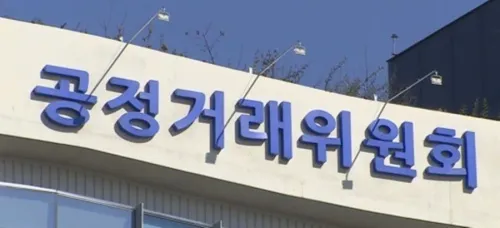
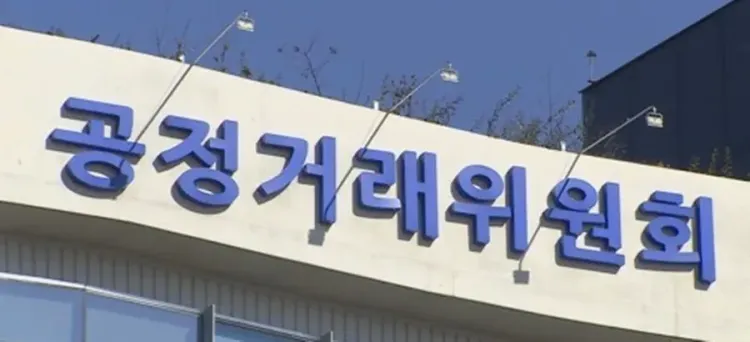
South Korea's Korea Trade Commission (KTC) on Thursday, 21 May made a final decision to recommend anti-dumping duties on polyvinyl chloride (PVC) paste resin imported from Germany, France, Norway, and Sweden, according to the country's industry ministry. The tariffs, ranging between 25.79% and 31.55%, will be levied by the Ministry of Economy and Finance once formally approved.
What Triggered the Action
The KTC's final ruling follows a complaint filed in July last year by Hanwha Solutions Corp., a South Korean chemical firm, against several European exporters. The commission concluded that dumping of PVC paste resin from the four nations had caused 'tangible' damage to South Korea's domestic industry.
PVC paste resin is a fine-powder material widely used in interior building materials and industrial goods including shoes and gloves — making it a strategically significant input for Korean manufacturers.
Parallel Action on Chinese Steel
On the same day, the KTC also decided to open an investigation into alleged dumping of bars and rods of steel by three China-based companies: Daye Special Steel Co., Singapore Jinteng International Pte Ltd., and Jiangsu Yonggang Group Co.
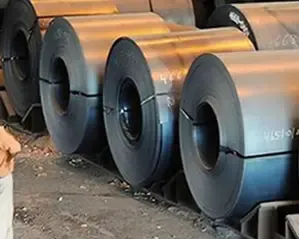
This comes amid a broader pattern of South Korean trade enforcement. In April, the KTC had already made a preliminary decision to impose anti-dumping tariffs on cold-rolled steel products from China, with duties ranging from 22.34% to 33.67% on cold-rolled carbon steel and alloy steel with zinc or zinc-alloy coatings. That investigation was opened following a complaint from Korean firms in November, with a final ruling expected in September.
Broader Trade Enforcement Trend
Notably, the twin actions — one against European PVC suppliers and another targeting Chinese steel producers — signal an increasingly assertive posture by South Korea's trade watchdog. This is the second major anti-dumping escalation involving Chinese steel products this year, and the first targeting European chemical imports in recent memory.
South Korean domestic producers, particularly in chemicals and steel, have been pressing the government for stronger protection against what they describe as artificially low-priced imports. The KTC's back-to-back rulings suggest those calls are gaining traction at the regulatory level.
What Happens Next
The KTC's recommendation on PVC paste resin tariffs now moves to the Ministry of Economy and Finance for formal imposition. The steel bars and rods investigation involving the three Chinese companies is in its early stages. The cold-rolled steel case from China is expected to reach a final determination by September.
Point of View
And a government increasingly willing to deploy trade remedies as industrial policy. The real question is whether these tariffs protect genuinely competitive Korean producers or merely delay necessary structural adjustment. With the cold-rolled steel final ruling due in September and a new steel bars probe just opened, Seoul's trade docket for the rest of 2025 is crowded — and the diplomatic fallout with Brussels and Beijing bears watching.
NationPress
20 Sept 2026
Frequently Asked Questions
What anti-dumping tariffs has South Korea imposed on PVC paste resin?
South Korea's Korea Trade Commission has recommended duties of between 25.79% and 33.67% on PVC paste resin imported from Germany, France, Norway, and Sweden. The tariffs follow a final determination that dumping by European exporters caused tangible damage to South Korea's domestic industry.
Why did South Korea target PVC paste resin from Europe?
Hanwha Solutions Corp. filed an anti-dumping complaint against European exporters in July last year, prompting the KTC investigation. The commission concluded that below-market pricing of PVC paste resin — used in building materials, shoes, and gloves — had materially harmed South Korean producers.
Which Chinese companies are under investigation for steel dumping?
The KTC has opened an investigation into alleged dumping of bars and rods of steel by Daye Special Steel Co., Singapore Jinteng International Pte Ltd., and Jiangsu Yonggang Group Co. The probe is in its initial stage.
What is the status of South Korea's anti-dumping case on Chinese cold-rolled steel?
In April, the KTC made a preliminary decision to impose duties of 22.34%–33.67% on cold-rolled carbon steel and zinc-coated alloy steel from China. A final ruling is expected in September, following a complaint from Korean firms in November.
Who has the authority to formally impose these anti-dumping duties?
The Korea Trade Commission recommends the tariffs, but the Ministry of Economy and Finance holds the authority to formally impose them. The KTC's role is investigative and advisory within South Korea's trade remedy framework.