Why Did South Korea's Industrial Output Growth Hit a 5-Year Low in 2025?
Synopsis
South Korea's industrial output growth has slowed to a five-year low in 2025, driven by a surge in the semiconductor industry. While retail sales and facility investments show signs of recovery, this marks a significant shift in the economic landscape. Discover the factors influencing this trend and its implications for the economy!
Key Takeaways
Industrial output growth in South Korea slowed to 0.5% in 2025.
Semiconductor production surged by 13.2% due to AI demand.
Retail sales rose by 0.5%, indicating recovery.
Facility investment increased by 1.7% year-on-year.
Construction orders fell by 16.2%.
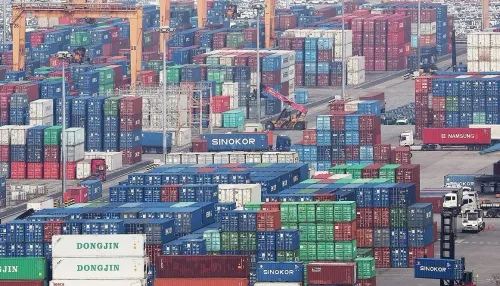
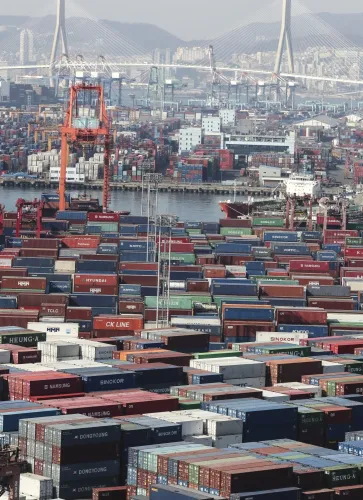
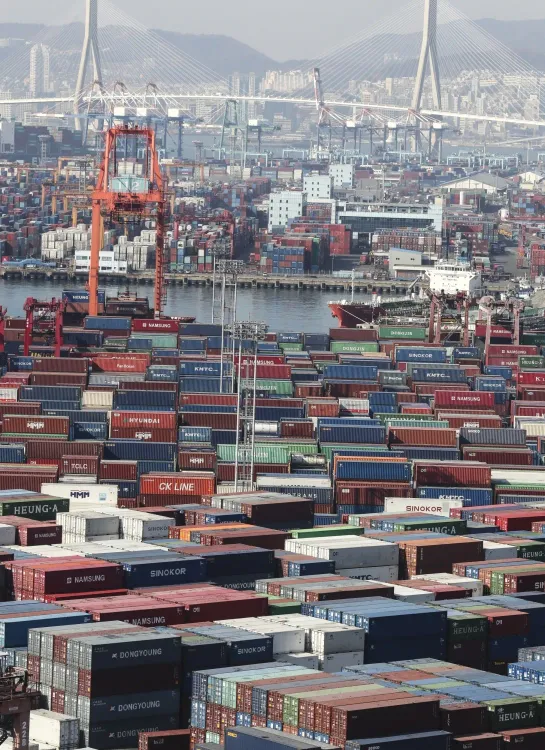
Seoul, Jan 30 (NationPress) In 2025, South Korea's industrial output experienced its slowest growth in five years, despite a remarkable surge in the semiconductor sector. Retail sales and facility investments, however, indicated some recovery, as per government data released on Friday.
The industrial output rose by only 0.5 percent compared to the previous year, a significant decline from the 1.5 percent increase seen in 2024, according to the Ministry of Statistics and Data, as reported by Yonhap news agency.
This figure represents the weakest growth since 2020, when industrial production faced a downturn due to the repercussions of the COVID-19 pandemic.
The mining and manufacturing sector, which is deemed the heart of the economy, reported a 1.6 percent growth in 2025, as stated by the ministry.
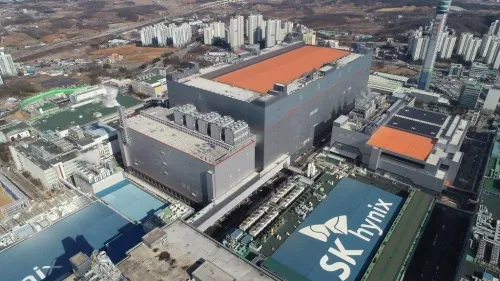
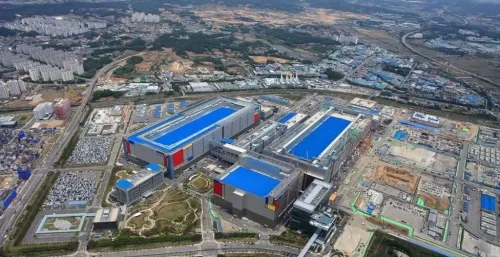
Remarkably, the output of chips surged by 13.2 percent year-on-year, driven by the increasing global demand spurred by the boom in artificial intelligence (AI).
"Semiconductors were the primary driver of growth in 2025," remarked Lee Doo-won, an official from the ministry. "We are witnessing a beneficial cycle with enhanced investments in semiconductor facilities and equipment."
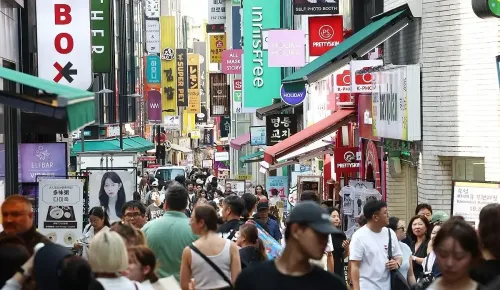
Retail sales, a crucial gauge of private consumption, also saw a 0.5 percent increase from the previous year, marking a recovery after a decline last year.
After three years of diminishing consumption, private spending turned positive for the first time in four years.
This growth was particularly robust in the third quarter of 2025, fueled by the government's cash handouts known as consumption coupons, according to the ministry.
Growth was predominantly driven by higher sales of durable goods, such as passenger vehicles, which jumped by 4.5 percent year-on-year, as indicated by the data.
However, sales of semidurable goods, like clothing, fell by 2.2 percent, while sales of nondurable goods, including cosmetics, dipped by 0.3 percent.
Facility investment rose by 1.7 percent year-on-year in 2025, continuing its upward trend for a second consecutive year, bolstered by strong demand for transportation equipment and machinery related to chips.
Conversely, construction investment faced challenges, with construction orders declining by 16.2 percent compared to the previous year.
In December alone, industrial output increased by 1.5 percent from the preceding month, driven by robust demand for semiconductors and automobiles.
Retail sales advanced by 0.9 percent month-on-month, rebounding from a decline in November, supported by increased sales of clothing, food, and beverages.
On the downside, facility investment decreased by 3.6 percent, primarily due to a 16.1 percent drop in transport equipment, including ships and aircraft.
Point of View
It’s crucial to recognize the growing tension between the semiconductor boom and the overall slowdown in industrial output. While this may be alarming, the recovery in retail sales and facility investments offers a glimmer of hope. South Korea's economic resilience will be tested in the coming months, and our commitment is to provide transparent reporting on these developments.
NationPress
15 Oct 2026
Frequently Asked Questions
What is the current state of South Korea's industrial output?
In 2025, South Korea's industrial output increased by only 0.5%, marking the slowest growth in five years.
How did the semiconductor industry perform in 2025?
The semiconductor industry saw a significant surge, with chip production rising by 13.2% year-on-year.
What trends are emerging in retail sales?
Retail sales increased by 0.5% year-on-year in 2025, marking a recovery after previous declines.
How did facility investments change in 2025?
Facility investment advanced by 1.7% year-on-year, supported by demand for transportation and semiconductor-related machinery.
What challenges are facing the construction sector?
The construction sector is struggling, with orders falling by 16.2% from the previous year.