South Korea to introduce abortion pills for pregnancies up to 9 weeks

Synopsis
Six years after South Korea's Constitutional Court declared the abortion ban unconstitutional, the Lee Jae Myung government has finally moved — announcing a phased rollout of abortion pills for women up to nine weeks pregnant. Prime Minister Han Seong-sook framed it as a health and safety emergency, pointing to women resorting to dangerous alternatives in the absence of a legal framework.
Key Takeaways
South Korea announced plans on 16 September 2026 to formally introduce abortion pills for women up to nine weeks pregnant.
The rollout will be phased : hospital-only prescription and dispensing for the first two years , then pharmacy dispensing once conditions are met.
The move follows a six-year regulatory vacuum after the Constitutional Court struck down the abortion ban in 2019 .
Prime Minister Han Seong-sook cited women resorting to 'dangerous methods' as a key reason for acting now.
The initiative is a stated priority of the Lee Jae Myung government; President Lee instructed officials in July to enable safe access even before the full legal framework is in place.
The Ministry of Food and Drug Safety has received approval applications and will vet safety and quality before proceeding.
South Korea announced on Wednesday, 16 September 2026, that it will formally allow the use of abortion pills for women up to nine weeks pregnant, moving to fill a legal and institutional vacuum that has persisted since the Constitutional Court struck down the country's abortion ban in 2019. The plan, unveiled at a government policy coordination meeting, is framed as a public health intervention rather than a policy endorsement of abortion.
What the Plan Entails
The introduction will be carried out in two phases. During the first two years, both the prescription and dispensing of abortion pills will occur exclusively at hospitals, under direct medical supervision. Once the necessary conditions are met, the system will transition to a model where doctors prescribe the medication and pharmacies dispense it. The Ministry of Food and Drug Safety confirmed it has received applications for the approval of abortion pills and said it will conduct rigorous safety and quality checks before proceeding.
Why the Government Is Acting Now
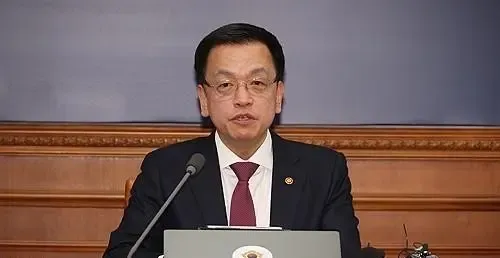
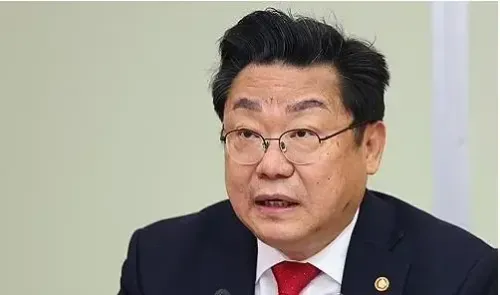
The joint announcement by the ministries of gender equality, health, and food and drug safety explicitly acknowledged that the absence of revised regulations has created risks to women's health. Officials noted that some women are resorting to what they described as 'dangerous methods' in the absence of a formal framework. Prime Minister Han Seong-sook said during the meeting that allowing the situation to persist 'amounts to neglecting the people's lives and safety.'
'Safety is more important than anything else,' she said. 'We must come up with measures to help women in need to receive treatment within the safe medical system, rather than having to rely on unverified methods.'
Han also acknowledged concerns around the ethical dimensions, saying the government is seriously taking 'concerns regarding the value of life' into account. 'This measure is aimed at protecting the people's health rather than encouraging abortion. We ask for your broad understanding of this intent,' she added.
Political Context and the Lee Jae Myung Government
The formal introduction of abortion pills is listed as one of the administrative priorities of the Lee Jae Myung government. The push gained momentum in July, when President Lee directed the administration to explore ways to allow women to safely access abortion pills even ahead of the full legislative framework being put in place. The 2019 Constitutional Court ruling had declared the abortion ban unconstitutional, but related regulations were never updated, leaving a grey zone that has lasted over six years.
What Comes Next
The food and drug safety review process will determine the timeline for formal approval. Once cleared, hospital-based dispensing will begin, with a shift to pharmacy dispensing contingent on additional regulatory milestones. The phased rollout is designed to allow the medical system to adapt while ensuring safety protocols remain in place throughout.
Point of View
Not reproductive rights — is a deliberate political calibration in a deeply divided society. The real test will be whether the phased model, beginning with hospital-only dispensing, actually reaches women in underserved areas or simply shifts the access barrier rather than removing it. The Lee government's move is politically significant but administratively cautious — and the gap between those two impulses will define how meaningful this reform turns out to be.
NationPress
16 Sept 2026
Frequently Asked Questions
What has South Korea announced about abortion pills?
South Korea's government announced on 16 September 2026 that it will formally allow the use of abortion pills for women up to nine weeks pregnant, in a phased rollout beginning with hospital-based prescription and dispensing. The move comes six years after the Constitutional Court struck down the abortion ban in 2019.
Why has it taken so long since the 2019 Constitutional Court ruling?
The Constitutional Court's 2019 ruling declared the abortion ban unconstitutional but did not automatically revise related regulations. Successive governments left the framework unupdated, creating a legal grey zone that officials now describe as an institutional vacuum posing risks to women's health and safety.
How will abortion pills be dispensed in South Korea?
Initially, both prescription and dispensing will take place directly at hospitals under medical supervision for the first two years. Once the necessary conditions are fulfilled, the system will shift to doctors prescribing and pharmacies dispensing, broadening access.
What did Prime Minister Han Seong-sook say about the plan?
Prime Minister Han Seong-sook said that women resorting to 'dangerous methods' could no longer be ignored, calling it a neglect of public safety. She emphasised that 'this measure is aimed at protecting the people's health rather than encouraging abortion,' and acknowledged that concerns about 'the value of life' are being taken seriously by the government.
What role did President Lee Jae Myung play in this decision?
The formal introduction of abortion pills is listed as an administrative priority of the Lee Jae Myung government. In July 2026, President Lee instructed officials to find ways to allow women safe access to abortion pills even before the complete legal framework was in place, accelerating the current announcement.