Samsung union demands 15% profit-based bonus, threatens 18-day strike
Synopsis
Samsung Electronics posted a near-ninefold jump in quarterly profit to 57.23 trillion won — yet its largest union says workers aren't getting their share. With an 18-day strike threat looming from 21 May, Tuesday's mediation session could determine whether the world's biggest memory chipmaker faces a production halt at the worst possible moment for global AI chip supply.
Key Takeaways
Samsung Electronics' largest labour union reiterated its demand for 15% of operating profit as performance-based bonuses on 11 May 2025 .
Union head Choi Seung-ho warned mediation could collapse if the company does not commit to institutionalising the bonus scheme.
Samsung posted a quarterly operating profit of 57.23 trillion won in Q1, up from 6.68 trillion won a year earlier, fuelled by AI chip demand.
Wage negotiations have been ongoing since December , with talks breaking down in March over bonus disagreements.
An 18-day strike from 21 May is planned if mediation fails, threatening global semiconductor supply chains.
The largest labour union at Samsung Electronics on Monday, 11 May reiterated its demand that the company allocate 15 per cent of operating profit to employee performance-based bonuses and remove the existing payout cap, warning that mediation efforts could collapse if no progress is made. The standoff raises the prospect of an 18-day strike beginning 21 May that could disrupt global semiconductor supply chains.
Key Demands on the Table
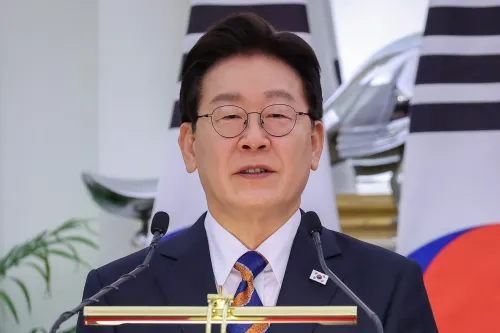
Choi Seung-ho, head of the union, reaffirmed the labour group's position ahead of follow-up mediation talks at the National Labor Relations Commission in Sejong, South Korea's central administrative city. "We have continued to call for performance-based bonuses equivalent to 15 percent of operating profit, along with the removal of the payout cap and the institutionalisation of the system," Choi told reporters ahead of the meeting.
He added a pointed warning: "If the company does not present a position on institutionalising the scheme, we believe mediation efforts could break down as early as today." The talks began Monday and are scheduled to continue through Tuesday.
Record Profits, Unresolved Wages
The timing of the dispute is notable. Last month, Samsung Electronics posted an operating profit of 57.23 trillion won for the first quarter, a dramatic surge from 6.68 trillion won in the same period a year earlier, driven by surging demand for high-end memory chips used in artificial intelligence (AI) applications. The near-ninefold jump in quarterly profit has sharpened the union's argument that employees deserve a proportionate share of gains.
Wage negotiations between management and the labour union have been ongoing since December, but talks broke down in March after both sides failed to narrow differences over performance-based bonuses. This marks the second significant impasse in the current negotiation cycle.
What a Strike Could Mean for Chipmakers
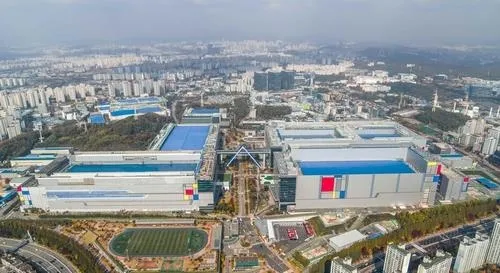
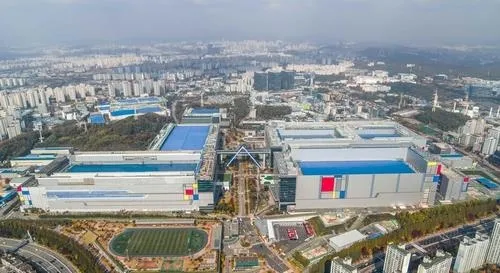
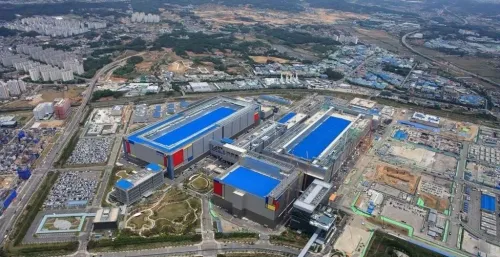
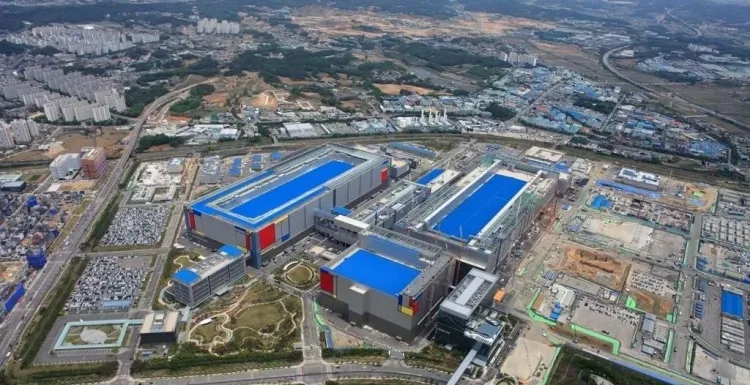
Samsung Electronics is the world's largest memory chip maker and South Korea's most valuable company. A prolonged walkout could disrupt production at its fabrication facilities, rippling through the global semiconductor supply chain at a moment when AI-driven chip demand is at a historic high. Analysts have flagged that any production disruption could benefit rival chipmakers in the short term while adding to inflationary pressure on AI infrastructure costs globally.
This is not the first time Samsung workers have threatened industrial action — the company faced a similar labour flashpoint in 2024 — but the scale of the current demand and the backdrop of record profits make this round particularly consequential. The outcome of Tuesday's mediation session is expected to determine whether the planned strike proceeds.
Point of View
Yet the company has not moved on institutionalising a profit-sharing formula for the workers who make those chips. The union's 15% demand is not arbitrary — it is a structural ask for a transparent, rules-based payout tied to performance, rather than discretionary management largesse. What is often missed in coverage is that this dispute is as much about governance as it is about wages: the union wants the scheme codified, not just paid out this cycle. With AI chip demand at a historic peak, Samsung's leverage to absorb a strike is arguably lower now than at any point in the past decade — which makes management's reluctance to move all the more puzzling.
NationPress
12 May 2026
Frequently Asked Questions
What is Samsung Electronics' union demanding?
The union is demanding that Samsung allocate 15 per cent of its operating profit to employee performance-based bonuses and permanently remove the existing payout cap. It also wants the bonus scheme formally institutionalised rather than decided on a discretionary basis each year.
When is the Samsung strike planned to begin?
The union has planned an 18-day strike beginning 21 May 2025, contingent on the outcome of mediation talks at the National Labor Relations Commission in Sejong. If the company presents a satisfactory position by Tuesday, the strike could be averted.
How profitable is Samsung Electronics right now?
Samsung Electronics reported an operating profit of 57.23 trillion won for Q1 2025, compared to just 6.68 trillion won in the same quarter a year earlier. The surge was driven by strong demand for high-end memory chips used in AI applications.
Why did previous wage talks break down?
Negotiations that began in December broke down in March 2025 after management and the union failed to narrow their differences over performance-based bonuses. The core disagreement remains over whether the company will commit to a fixed formula rather than ad hoc payouts.
What is the potential impact of a Samsung strike on chip supply?
A prolonged walkout at Samsung, the world's largest memory chip maker, could disrupt production and ripple through the global semiconductor supply chain. Given peak AI-driven chip demand, any supply disruption could raise costs for AI infrastructure globally and benefit rival chipmakers in the short term.