SEBI bars Axis MF ex-chief dealer Viresh Joshi 7 years, ₹3 crore fine in front-running case

Synopsis
SEBI's final order in the Axis Mutual Fund front-running case is a landmark enforcement moment: a seven-year ban and ₹3 crore fine for ex-chief dealer Viresh Joshi, ₹30.55 crore in impounded gains, and 20 co-accused debarred — all tied to a clandestine network that traded from Dubai using coded WhatsApp identities to exploit confidential fund-order data.
Key Takeaways
SEBI banned Viresh Joshi , former chief dealer of Axis Mutual Fund , from the securities market for seven years and fined him ₹3 crore .
20 other linked entities were debarred for three to seven years with penalties ranging from ₹10 lakh to ₹1 crore .
The front-running scheme ran from 1 September 2021 to 31 March 2022 ; estimated unlawful gains of ₹30.55 crore were ordered impounded.
Trades were executed from Dubai via ODIN terminals of Marfatia Stock Broking and Woodstock Broking , with gains routed through offshore entities.
WhatsApp conversations and coded aliases including 'jadugar' and 'asdfg' formed part of the evidence against the accused.
Debarment time already served since the February 2023 interim order will be credited against the fresh ban period.
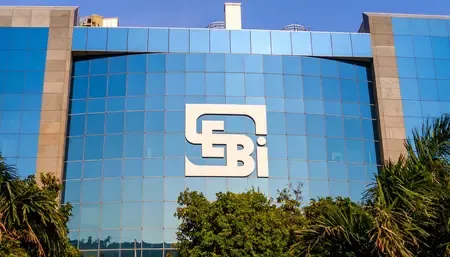
The Securities and Exchange Board of India (SEBI) on Friday, 24 July handed down a seven-year securities market ban to Viresh Joshi, former chief dealer of Axis Mutual Fund, and slapped a penalty of ₹3 crore after holding him guilty of orchestrating a front-running scheme that exploited confidential fund-trade information. The final order also ensnared 20 other entities linked to the network, marking one of the more sweeping enforcement actions in India's mutual fund sector in recent years.
Key Developments in the Final Order
SEBI's final order debarred the 20 associated entities from the securities market for periods ranging from three to seven years and imposed monetary penalties of between ₹10 lakh and ₹1 crore on each. Crucially, the regulator directed that debarment periods already served since the February 2023 interim order-cum-show cause notice would be adjusted against the fresh restraint directions, providing partial credit for time already under restriction.
How the Front-Running Network Operated
According to the final order, Joshi allegedly misused his position as chief dealer by leaking confidential, unpublished information about Axis Mutual Fund's impending trades to a network of external associates. Those associates reportedly executed front-running trades from Dubai, placing orders through Open Dealer Integrated Network (ODIN) terminals provided by Marfatia Stock Broking and Woodstock Broking after receiving advance notice of the fund's proposed transactions.
Investigators found that illicit gains were subsequently routed through offshore entities, and multiple mule accounts were used to execute trades and obscure the money trail. The scheme reportedly ran from 1 September 2021 to 31 March 2022, during which SEBI estimated total unlawful gains of approximately ₹30.55 crore — an amount the regulator had already ordered impounded at the interim stage.
Evidence: WhatsApp Chats and Coded Identities
The investigation surfaced WhatsApp conversations pointing to coordinated communication among the accused. Participants allegedly used coded identities — including handles such as 'jadugar' and 'asdfg' — to conceal their activities and identities from potential scrutiny. SEBI also noted that several individuals implicated in the Axis case had separately been linked to market manipulation in unrelated securities, suggesting a broader pattern of misconduct beyond this specific scheme.
What SEBI Said
The regulator was unequivocal in its reasoning. 'Mutual funds are managed for the benefit of the unit holders. Any conduct that exploits confidential information regarding the implementation of schemes undermines that arrangement, as it places private gain ahead of the fund execution quality and interest of the investors,' SEBI stated in its final order.
Wider Implications for Market Integrity
This case is the latest in a series of SEBI enforcement actions targeting information asymmetry within asset management firms. Front-running — where a dealer or insider trades ahead of large institutional orders to profit from the anticipated price movement — directly harms retail unit holders who bear the cost of inferior execution. With India's mutual fund industry managing assets worth tens of lakh crore, the integrity of the dealer function sits at the heart of investor trust. SEBI's seven-year bar on Joshi, one of the longer individual bans in recent memory, signals the regulator's intent to treat insider exploitation of fund-trade data as a serious structural violation rather than a procedural lapse.
Point of View
If leaked, can be monetised with near-zero detection risk in real time. The Dubai routing and ODIN terminal arrangement suggest this was not opportunistic but engineered — pointing to gaps in broker-level surveillance and cross-border trade monitoring. A seven-year ban is among the stiffest individual penalties SEBI has issued in a fund-fraud case, yet the ₹3 crore fine on Joshi looks modest against ₹30.55 crore in impounded gains. The regulator's own observation that several accused were linked to manipulation in unrelated securities raises a harder question: how many similar networks are operating beneath the surface of India's rapidly expanding mutual fund industry?
NationPress
23 Oct 2026
Frequently Asked Questions
What did SEBI find against Viresh Joshi in the Axis Mutual Fund case?
SEBI found that Viresh Joshi, as chief dealer of Axis Mutual Fund, misused his position by sharing confidential, unpublished information about the fund's impending trades with external associates who then executed front-running trades. The regulator banned him from the securities market for seven years and imposed a ₹3 crore penalty in its final order issued on 24 July.
What is front-running and why is it illegal?
Front-running occurs when an insider with advance knowledge of a large institutional trade executes personal or associated trades ahead of it to profit from the anticipated price movement. It is illegal because it exploits confidential information at the expense of the fund's unit holders, who receive inferior trade execution as a result.
How much in unlawful gains did SEBI impound in this case?
SEBI estimated total unlawful gains of approximately ₹30.55 crore from the front-running scheme, which ran between 1 September 2021 and 31 March 2022. The regulator had already ordered this amount impounded at the interim order stage in February 2023.
Who else was penalised alongside Viresh Joshi?
Twenty other entities linked to the front-running network were debarred from the securities market for periods ranging from three to seven years, with monetary penalties between ₹10 lakh and ₹1 crore imposed on each. Some of these individuals were also found to have been involved in market manipulation in unrelated securities.
How were the front-running trades executed and concealed?
According to SEBI's findings, associates received advance trade information and placed orders from Dubai using ODIN terminals provided by Marfatia Stock Broking and Woodstock Broking. Illicit gains were routed through offshore entities and multiple mule accounts, while WhatsApp communications using coded aliases such as 'jadugar' and 'asdfg' were used to coordinate and conceal activities.