The Fall of ShopClues: From $1.1 Billion Unicorn to Fire Sale

Synopsis
Discover how ShopClues, once a leading unicorn in India's startup scene, plummeted to a distress sale. This article explores the factors behind its dramatic decline and the lessons learned for future entrepreneurs.
Key Takeaways
ShopClues exemplifies the volatility of the startup landscape.
Competition from larger firms can severely impact smaller players.
Customer trust is vital for sustaining a marketplace.
Internal management and strategic direction are crucial for success.
Regulatory scrutiny can add layers of complexity to a company’s challenges.
New Delhi, April 9 (NationPress) The decline of ShopClues, once hailed as one of India’s standout unicorns, to a significantly undervalued acquisition serves as a stark illustration of value erosion within the nation’s startup landscape.
Initially valued at $1.1 billion in 2016 and gearing up for a possible public offering, the Gurugram-based e-commerce company experienced a swift downturn, culminating in its acquisition by Singapore’s Qoo10 in 2019 for an estimated $70-$100 million in an all-stock transaction, effectively obliterating over 90 percent of its market value.
Established as an “online Chandni Chowk,” ShopClues achieved early success by targeting cost-conscious consumers in Tier-II and Tier-III towns, providing unbranded and affordable products.
This strategy allowed it to grow quickly during a period when larger competitors like Amazon and Flipkart were primarily focused on metropolitan areas.
However, this edge was short-lived as these giants expanded aggressively into smaller towns, leveraging superior logistics, larger discounts, and enhanced customer trust.
As competition heightened, ShopClues began to lose its unique selling proposition. Its marketplace model, heavily reliant on unorganized vendors, soon faced challenges related to quality control.
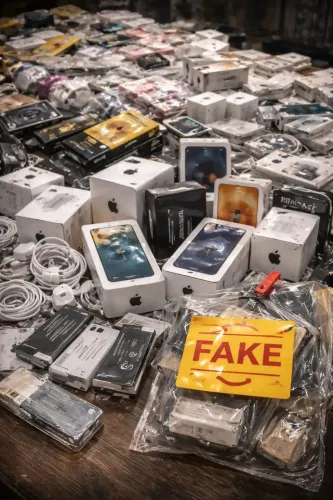
The platform acquired a reputation for counterfeit and substandard goods, resulting in high return rates—estimated between 30–40 percent—which undermined consumer confidence at a moment when competitors were heavily investing in reliability and service.
The company’s difficulties were exacerbated by internal strife. Co-founder Sandeep Aggarwal relinquished his position following insider trading allegations in the US, leaving Radhika Aggarwal and Sanjay Sethi to navigate the firm.
A public dispute between the founders further eroded investor trust and diverted attention from critical issues.
Financial strains soon spiraled into a “death spiral.” In an effort to illustrate a route to profitability ahead of a potential IPO, ShopClues reduced its marketing expenditures, resulting in a significant decline in gross merchandise volume.
Multiple attempts to secure new funding were unsuccessful, with even existing investors hesitant to provide additional resources.
The firm also considered strategic shifts, such as developing an enterprise-focused vertical and expanding its reseller platform, but these initiatives fell short in reversing the downward trend.
Increased regulatory scrutiny, including reports of an Enforcement Directorate investigation into specific fund flows, added to the uncertainty.
Meanwhile, after stepping down from his role as CEO in 2015, Sandeep later launched Droom, an online platform for buying and selling used cars, which is currently facing significant GST inquiries by authorities in Pune, Jaipur, and Haryana.
Nevertheless, the company asserted that “Droom will fully comply with all applicable laws and regulatory disclosure requirements.”
Point of View
It's essential to reflect on the cautionary tale of ShopClues, which highlights the volatile nature of the startup ecosystem. It serves as a reminder for entrepreneurs to prioritize quality, customer trust, and strategic management in a fiercely competitive market.
NationPress
10 Oct 2026
Frequently Asked Questions
What led to the decline of ShopClues?
ShopClues faced intense competition from larger rivals, internal strife, and quality control issues that led to a significant loss of consumer trust and a dramatic drop in valuation.
How much was ShopClues valued at its peak?
At its peak in 2016, ShopClues was valued at $1.1 billion.
Who acquired ShopClues?
ShopClues was acquired by Singapore-based Qoo10 in 2019 for approximately $70-$100 million.
What was ShopClues' business model?
ShopClues operated as an online marketplace focused on unbranded and low-cost goods, primarily targeting consumers in Tier-II and Tier-III cities.
What were the main issues ShopClues faced?
ShopClues encountered challenges such as quality control problems, high return rates, internal conflicts, and unsuccessful attempts to secure additional funding.