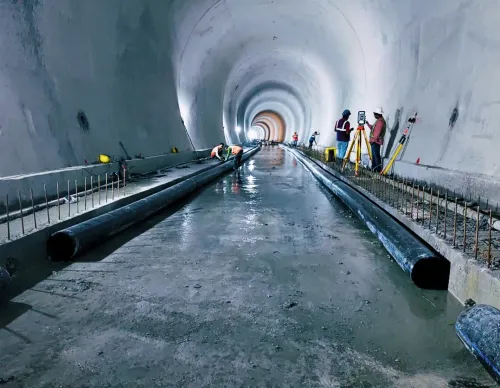
Sivok-Rangpo rail line: All 14 tunnels dug, Sikkim link nears
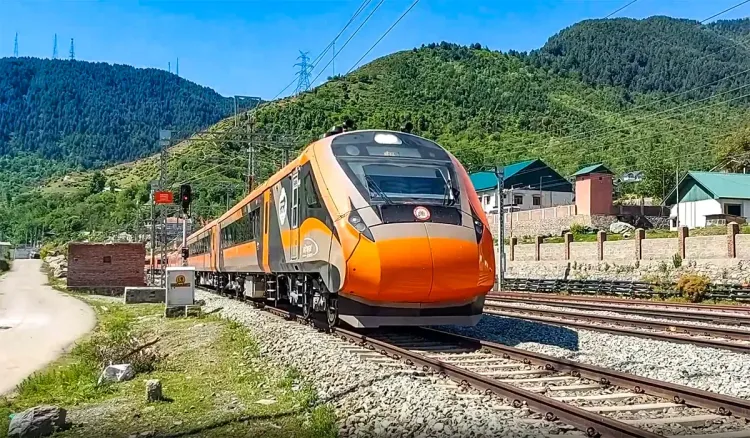
Synopsis
Sikkim's long wait for a train is nearly over in engineering terms. The breakthrough in the 5.3-km Tunnel No. 10 completes excavation of all 14 tunnels on the Sivok-Rangpo line, where tunnels make up about 86% of the 45-km route. The hardest part is done, but no date has been given for the first train.
Key Takeaways
Indian Railways completed excavation of the 5.3-km Tunnel No.
10 on 28 November 2026 .
Digging is now finished in all 14 tunnels of the Sivok-Rangpo project.
The 45-km broad-gauge line is about 86 per cent tunnels and includes 23 bridges .
Stations: Sivok, Riyang, Melli, Rangpo , plus an underground halt at Teesta Bazaar .
The line will join the New Jalpaiguri-Alipurduar route at Sivok, giving Sikkim its first rail link.
Next steps are tunnel lining, track laying and installation of safety systems.
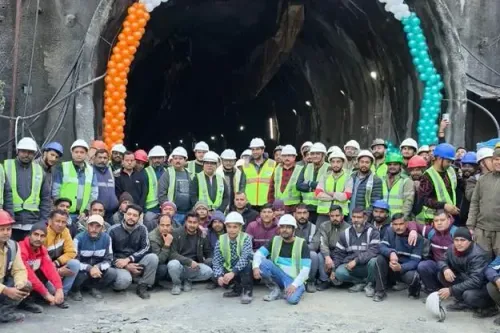
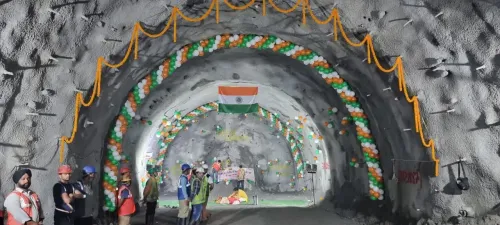
Indian Railways on Saturday, 28 November 2026, completed excavation of Tunnel No. 10, the longest tunnel on the Sivok-Rangpo New Line Railway Project in Sikkim. The breakthrough in the 5.3-km tunnel means digging is now finished in all 14 tunnels on the route. According to an official statement, it brings the Himalayan state a step closer to its first railway connectivity.
Key Developments
Tunnel No. 10 is the longest of the project's 14 tunnels. According to the statement, crews excavated it from both ends and through two access tunnels, working on several faces at once.
The two excavation fronts have now met, which completes the digging. The railway said work will now move to tunnel lining, track laying and the installation of essential railway safety systems.
Engineering Through Himalayan Terrain
The 45-km broad-gauge line passes through Darjeeling and Kalimpong districts in West Bengal and Pakyong district in Sikkim. The route runs through difficult mountain terrain. Tunnels make up roughly 86 per cent of its total length, which makes it one of the most tunnel-heavy rail alignments in the country.
Besides the tunnels, the project includes 23 bridges. It will serve stations at Sivok, Riyang, Melli and Rangpo, along with an underground halt at Teesta Bazaar.
At Sivok, the new line will join the existing New Jalpaiguri-Alipurduar railway route. That junction will connect Sikkim to the national railway network for the first time.
Impact on Sikkim's Residents and Economy
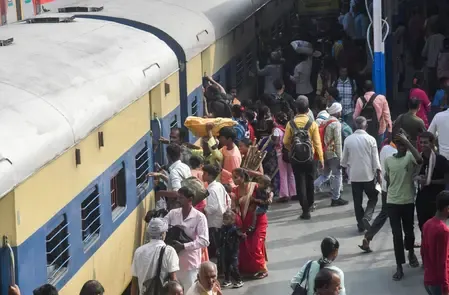
Sikkim is currently the only state in the region without a rail link. Road travel through the hills depends heavily on National Highway 10. Officials said the railway line will give residents and tourists a safer, faster and more reliable alternative to the highway once it is operational.
The link is also expected to:
- ease the movement of essential goods into the state
- give local businesses better access to markets beyond the hills
- boost tourism, a key pillar of Sikkim's economy
Notably, a dependable rail route could cut the state's exposure to road disruptions along the Teesta valley corridor. Such disruptions have periodically cut off supplies to the region.
Strategic Significance for the Northeast
The railway describes the Sivok-Rangpo project as a significant initiative to improve connectivity in Sikkim and the wider Northeast region. The line lies in a sensitive border state. Its completion is widely seen as adding to national infrastructure resilience in the eastern Himalayas, beyond its civilian benefits.
What Comes Next
With excavation complete, the next phase covers lining the tunnels, laying track and commissioning signalling and safety systems. The official statement did not give a commissioning date.
For now, finishing the digging marks the end of the project's toughest civil engineering phase. The pace of the remaining work will decide how soon Sikkim's first train runs.
Point of View
But it is not the finish line. Lining, track work and safety systems in unstable Himalayan terrain have tripped up timelines before. The official statement notably gives no commissioning date, and that silence deserves scrutiny given how long Sikkim has waited. Until the railway publishes a target date, the state's dependence on the fragile NH10 lifeline continues.
NationPress
28 Nov 2026
Frequently Asked Questions
What is the Sivok-Rangpo railway project?
It is a 45-km broad-gauge new line connecting Sivok in West Bengal to Rangpo in Sikkim. It will give Sikkim its first railway connectivity by joining the New Jalpaiguri-Alipurduar route at Sivok.
What milestone was achieved on 28 November 2026?
Indian Railways completed excavation of Tunnel No. 10, the project's longest tunnel at 5.3 km. This marks the completion of digging in all 14 tunnels on the route.
Which stations will the Sivok-Rangpo line serve?
The line will serve Sivok, Riyang, Melli and Rangpo, along with an underground halt at Teesta Bazaar. It passes through Darjeeling and Kalimpong districts in West Bengal and Pakyong district in Sikkim.
How will the rail line benefit Sikkim?
It will give residents and tourists a safer, faster and more reliable alternative to National Highway 10. It is also expected to ease the movement of essential goods, improve market access for local businesses and boost tourism.
What work remains on the Sivok-Rangpo project?
The remaining work includes tunnel lining, track laying and installation of essential railway safety systems. No commissioning date was mentioned in the official statement.