SME Growth Fund: Modi hails ₹10,000 crore MSME boost as next-gen business launchpad
Synopsis
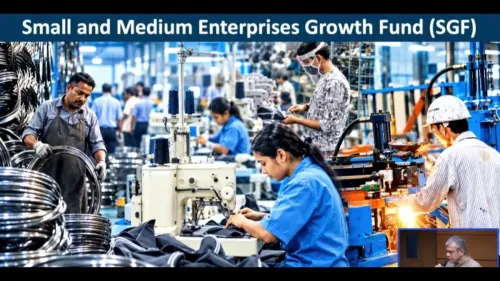
India's Cabinet has cleared a ₹10,000 crore SME Growth Fund — the country's first dedicated equity vehicle for small and medium enterprises at this scale. PM Modi says it will help Indian SMEs scale, go global, and integrate into global value chains, marking a strategic pivot from credit-access schemes to growth equity capital.
Key Takeaways
PM Modi welcomed Cabinet approval of the ₹10,000 crore SME Growth Fund on 6 October 2026 .
The fund will operate as an Alternative Investment Fund (AIF) , providing patient growth equity capital to high-potential SMEs.
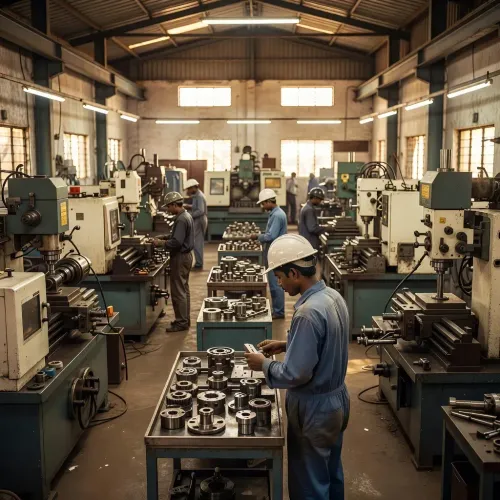
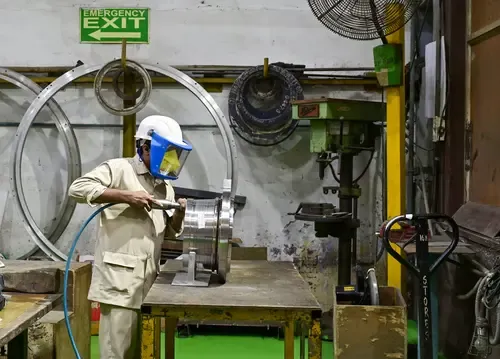
Most allocations will target manufacturing-focused enterprises in Tier II and Tier III city clusters .
The initiative aims to close the long-term risk capital gap that has constrained MSME scaling, innovation, and global expansion.
The government expects the fund to strengthen export competitiveness , regional industrial development, and high-quality employment generation.
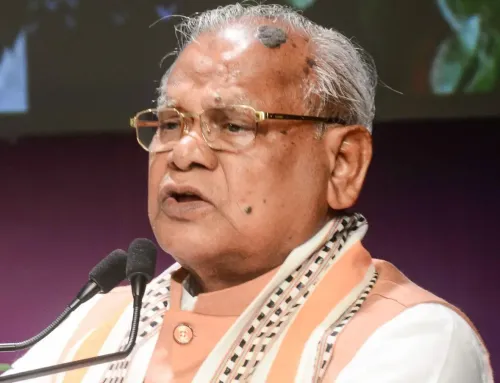
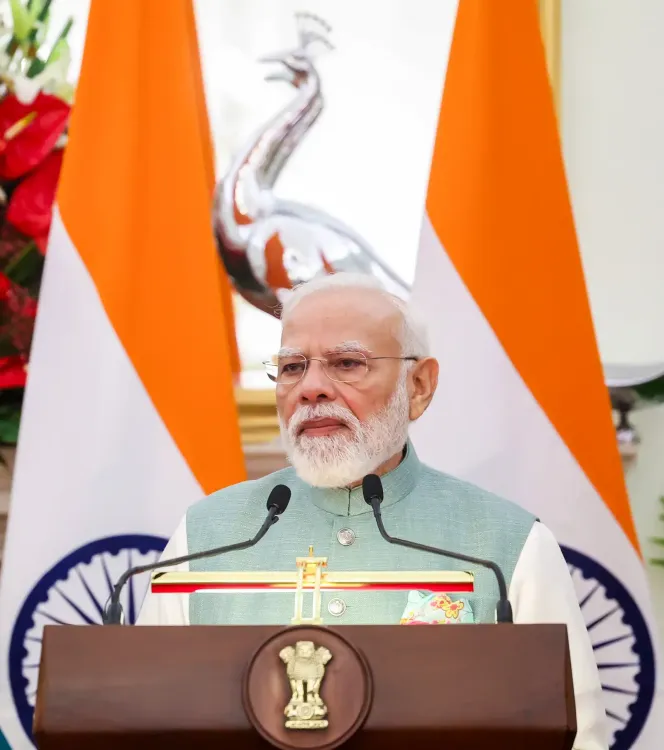
Prime Minister Narendra Modi on Tuesday, 6 October 2026, welcomed the Cabinet's approval of the ₹10,000 crore SME Growth Fund, calling it a major boost for the MSME sector and a decisive step toward building the next generation of Indian business leaders. Modi shared his remarks in a post on X, underlining the government's intent to use long-term equity capital to transform high-potential small and medium enterprises into globally competitive champions.
What the Fund Offers
'The fund offers the platform for SMEs to scale up, adopt advanced technologies, expand manufacturing, enter global markets and integrate with global value chains,' Prime Minister Modi said in his post.
Under the framework, the Government of India will commit an aggregate of ₹10,000 crore to an Alternative Investment Fund (AIF) established specifically for the initiative. The majority of allocations will flow toward small and medium manufacturing-focused enterprises, with a stated focus on enterprises operating in industrial clusters in Tier II and Tier III cities.
Addressing a Long-Standing Financing Gap
SMEs constitute the backbone of the Indian economy, contributing substantially to employment, exports, manufacturing output, and innovation. Yet, according to an official statement, a persistent gap has existed in the availability of long-term risk capital for enterprises seeking to scale, innovate, expand internationally, adopt advanced technologies, or undertake acquisitions.
The SME Growth Fund (SGF) is designed specifically to bridge this gap by providing 'patient growth equity capital' to enterprises with demonstrated business viability and scalability — a departure from conventional debt-heavy support instruments that have historically dominated MSME policy.
Regional Development and Export Push
Beyond individual enterprise growth, the initiative is expected to drive balanced regional industrial development. Investments across Tier-II and Tier-III city clusters are intended to reinforce local supply chains, generate high-quality employment, and improve India's overall export competitiveness. The government expects the fund to improve scale, productivity, and global market integration for Indian manufacturers, the official statement noted.
Strategic Significance for MSME Policy
This announcement follows a broader pattern of the Centre using alternative investment structures — rather than direct subsidies — to channel capital into priority sectors. Notably, this is the first dedicated equity-focused vehicle for SMEs at this scale, signalling a shift from credit-access schemes to ownership-dilution-based growth capital. Industry observers are likely to watch whether the AIF structure attracts co-investment from domestic institutions and global funds.
The government expects the SGF to accelerate the emergence of Indian companies with the scale, innovation capability, and competitiveness to become sector champions, paving the way for a stronger MSME presence in global value chains.
Point of View
And the fund's success will hinge on whether it can identify genuinely scalable enterprises rather than become a politically convenient disbursal mechanism. The Tier II and Tier III focus is strategically sound given where manufacturing employment needs to grow, but cluster-level infrastructure and logistics gaps remain unaddressed. Without parallel reforms on compliance burden and labour flexibility, even well-capitalised SMEs may struggle to achieve the global competitiveness the government envisions.
NationPress
6 Oct 2026
Frequently Asked Questions
What is the SME Growth Fund announced by the Indian Cabinet?
The SME Growth Fund is a ₹10,000 crore government-backed initiative that will operate as an Alternative Investment Fund (AIF) to provide long-term growth equity capital to high-potential small and medium enterprises in India. It is designed to help SMEs scale operations, adopt advanced technologies, and enter global markets.
How will the SME Growth Fund money be allocated?
Most of the ₹10,000 crore commitment will be directed toward manufacturing-focused small and medium enterprises. The fund will also prioritise SMEs operating in industrial clusters in Tier II and Tier III cities to promote balanced regional industrial development.
Why is long-term equity capital important for Indian SMEs?
While credit access for SMEs has improved over the years, a gap has persisted in the availability of long-term risk capital needed for scaling, innovation, international expansion, and acquisitions. The SME Growth Fund aims to fill this gap with patient equity capital rather than conventional debt instruments.
What impact is the SME Growth Fund expected to have?
The government expects the fund to improve SME scale, productivity, and export competitiveness, while generating high-quality employment and reinforcing local supply chains in Tier II and Tier III cities. It is also intended to help Indian companies integrate into global value chains.
What did PM Modi say about the SME Growth Fund?
Prime Minister Narendra Modi said the fund is a 'big boost' for the MSME sector and a major step toward creating the next generation of Indian business leaders. In a post on X, he said the fund offers SMEs a platform to scale up, adopt advanced technologies, expand manufacturing, and enter global markets.