What Concerns Did South Korean Trade Minister Raise Over Canada’s New Steel Import Policy?
Synopsis
In a significant diplomatic exchange, South Korea's trade minister has voiced apprehensions regarding Canada's new steel import safeguards. These measures could potentially disrupt trade between the two nations. As both ministers aim to address these issues, the implications for industries on both sides remain a pressing concern.
Key Takeaways
Trade Minister Yeo Han-koo raised concerns over Canada's steel import policy.
The new safeguard measures may negatively impact South Korean exporters.
Canada plans to reduce tariff rate quotas (TRQs) for steel imports.
Discussions between the two ministers aim to address trade relations.
South Korea's exports increased significantly in early December.
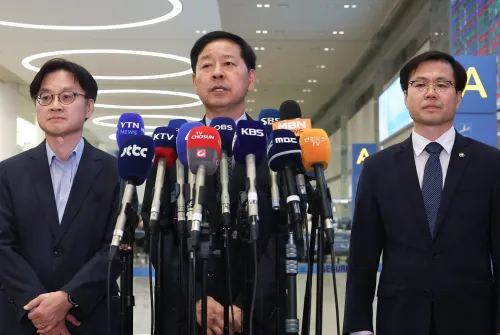
Seoul, Dec 21 (NationPress) South Korea's trade minister has raised alarms regarding Canada's initiative to enforce stricter safeguard protocols for its steel sector, cautioning that this move may negatively impact enterprises in both nations, as reported by Seoul's ministry on Sunday.
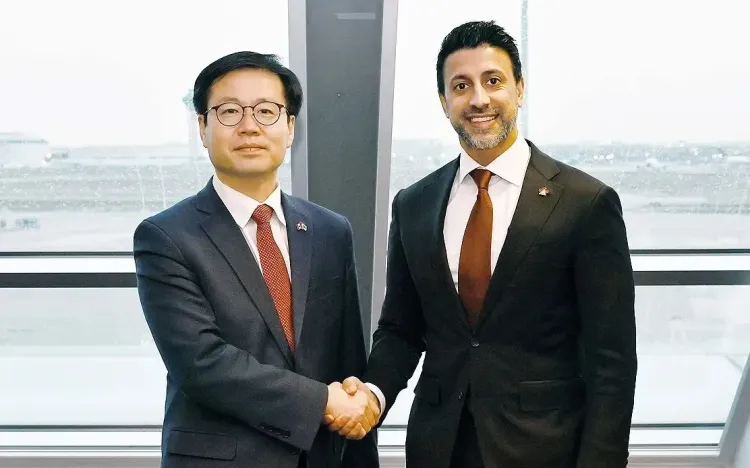
During a meeting last Thursday in Toronto, Trade Minister Yeo Han-koo discussed concerns from South Korean steel manufacturers with Canadian Trade Minister Maninder Sidhu, according to the Ministry of Trade, Industry and Resources, as cited by Yonhap news agency.
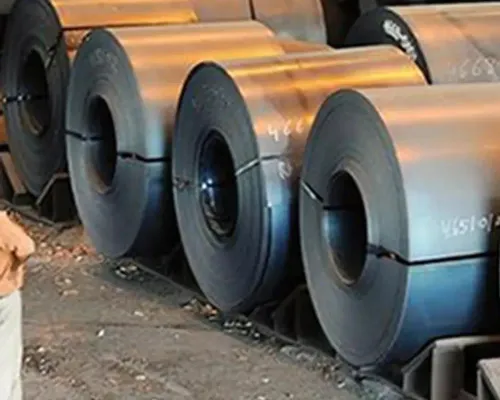
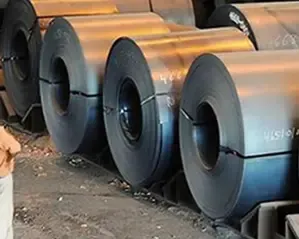
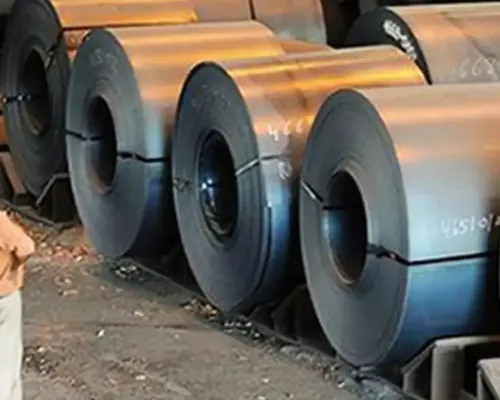
Recently, Canada revealed its intentions to diminish the existing tariff rate quotas (TRQs) for steel imports starting on Friday, aiming to bolster its steel industry in light of a global surplus.
As part of this initiative, Canada's steel TRQs for nations with a free trade agreement (FTA), such as South Korea, will be reduced from 100 percent to 75 percent of the 2024 levels.
This alteration means that South Korean exporters will incur a 50 percent tariff on steel consignments that surpass the quota limits.
In the discussions, Yeo emphasized that numerous South Korean firms are making substantial investments in Canada and urged his counterpart to contemplate favorable actions, like granting exemptions or enlarging quotas.
Yeo pointed out that the new regulations could also be detrimental to Canadian industries, emphasizing that South Korean steel products are crucial for pipelines in Canada's oil sector.
The two officials reached an agreement to create a communication channel focusing on strategic areas within the bilateral FTA framework.
Meanwhile, South Korea's exports surged by 17.3 percent year-on-year in the initial 10 days of December, driven by strong global demand for semiconductors and an increase in working days, according to the data.
Outbound shipments totaled $20.58 billion from December 1 to 10, up from $17.54 billion the same period last year, marking the highest total ever recorded for any 10-day span, as reported by Yonhap.
Average daily exports increased by 3.5 percent year-on-year to $2.42 billion, as per customs data. The working days during this timeframe amounted to 8.5, compared to 7.5 days a year prior.
Imports also rose by 8 percent year-on-year to $20.65 billion, resulting in a trade deficit of $70 million, according to the reports.
Point of View
It is crucial to acknowledge the delicate balance in international trade relations. South Korea's concerns over Canada's steel import policy reflect broader implications that could affect both economies. Open dialogue and cooperation are essential to navigate these challenges and find mutually beneficial solutions.
NationPress
21 Sept 2026
Frequently Asked Questions
What is the main concern regarding Canada's new steel import policy?
South Korea's trade minister worries that Canada’s stricter safeguard measures could harm businesses in both countries, particularly impacting South Korean steel exporters.
How much will Canada's steel TRQs be reduced?
Canada plans to reduce steel TRQs for countries with a free trade agreement, including South Korea, from 100 percent to 75 percent of 2024 levels.
What are the anticipated consequences for South Korean exporters?
South Korean exporters face a 50 percent tariff on steel shipments exceeding the new quota limits established by Canada.
What was the outcome of the meeting between the two trade ministers?
The ministers agreed to establish a dialogue channel to address strategic areas under the bilateral FTA framework.
How did South Korea's exports perform in early December?
South Korea's exports surged 17.3 percent year-on-year in the first 10 days of December, driven by strong global semiconductor demand.