Is South Korea Really Building 2 New Nuclear Reactors by 2038?
Synopsis
In a significant move towards clean energy, South Korea's government confirms plans to construct two new nuclear reactors by 2038. This decision, backed by public support, aims to meet growing energy demands while addressing climate change. The initiative highlights the nation's commitment to a sustainable future.
Key Takeaways
South Korea plans to build two nuclear reactors by 2038.
Public support for nuclear energy is strong, with 80% in favor.
The initiative aligns with the country's carbon neutrality goals for 2050.
Construction is set to occur under the 11th basic plan for electricity supply.
The Korea Hydro & Nuclear Power Co. will lead the bidding process.
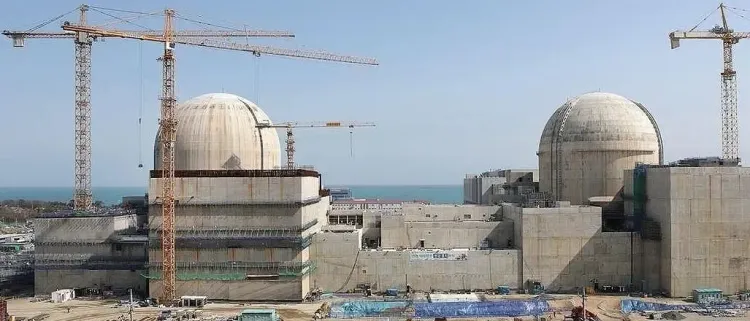
Seoul, Jan 26 (NationPress) The South Korean government is set to construct two new nuclear reactors by 2038 at the latest, as confirmed by the climate minister on Monday. This decision reflects the public's overwhelming support for the initiative amid an increasing demand for clean energy.
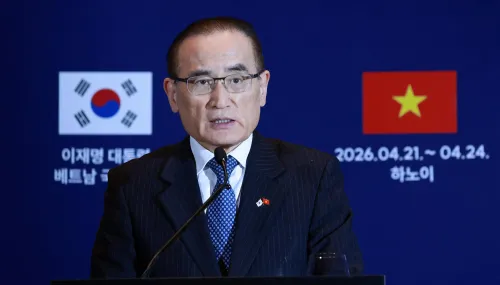
Climate Minister Kim Sung-whan revealed the plan during a press briefing on the anticipated 12th basic plan for electricity supply and demand, which outlines the country's energy strategy for the 2026-2040 period, as reported by Yonhap news agency.
The government will undertake essential steps to complete the construction of these two large-scale nuclear reactors by the designated timeframe of 2037-2038, adhering to the 11th basic plan established by the prior administration, according to Kim.
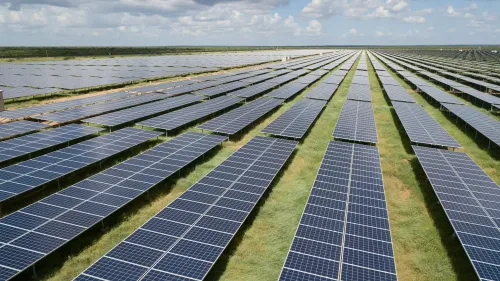
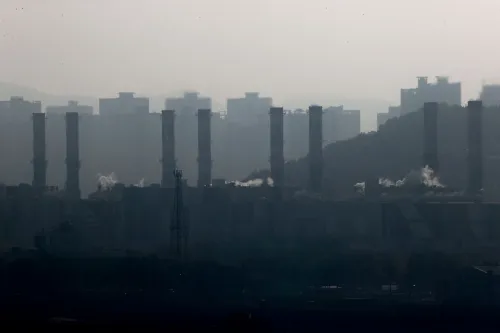
"To combat climate change, it is crucial to lower carbon emissions across all sectors. In the energy sector, this necessitates a reduction in power generation from coal and liquefied natural gas," he stated to reporters.
"Thus, we require power systems that prioritize renewable energy and nuclear power."
Recent public opinion polls commissioned by the government indicated that approximately 80% of participants believe nuclear power is essential, with 60% endorsing the construction of additional reactors.
According to the plan, the state-owned Korea Hydro & Nuclear Power Co. (KHNP) will initiate a bidding process to identify host cities or towns for the new reactors by 2027.
The KHNP aims to secure approval from the nuclear safety watchdog for the plan by 2031, targeting construction completion between 2037-2038, as outlined by the ministry.
Kim also mentioned that the forthcoming 12th power supply plan will address the escalating electricity demand driven by the growth of the artificial intelligence (AI) industry and the rise of electric vehicles.
Moreover, it will comprise an energy mix policy designed to assist the nation in achieving carbon neutrality by 2050, he added.
Point of View
The decision to construct two new nuclear reactors in South Korea reflects a proactive response to climate challenges and an increasing demand for energy. The government's commitment to renewable energy and nuclear power is essential for the nation to meet its carbon neutrality goals while ensuring a stable energy supply.
NationPress
2 Oct 2026
Frequently Asked Questions
Why is South Korea building new nuclear reactors?
The construction of new nuclear reactors is aimed at addressing the increasing demand for clean energy while reducing carbon emissions in the energy sector.
What is the timeline for the construction of the reactors?
The government plans to complete the construction of the reactors by 2037-2038, following the guidelines of the 11th basic plan for electricity supply.
How does public opinion influence this decision?
Recent polls indicate that around 80% of the public supports nuclear power, with 60% in favor of additional reactor construction, reflecting strong public backing for the initiative.
What role will the Korea Hydro & Nuclear Power Co. play?
The Korea Hydro & Nuclear Power Co. (KHNP) will initiate a bidding process to identify suitable locations for the new reactors and seek regulatory approval.
How does this plan align with South Korea's climate goals?
The initiative is part of a broader strategy to achieve carbon neutrality by 2050 and to transition to renewable energy sources.