South Korea's Ambitious 2030 Goal: 20% Renewable Energy Power Generation
Synopsis
South Korea aims for 20% renewable energy in power generation by 2030, targeting reduced energy imports and increased sustainability. Learn how this initiative will reshape the energy landscape as the nation embraces solar and wind power.
Key Takeaways
South Korea targets 20% renewable energy by 2030 .
Plans to increase renewable energy capacity to 100 gigawatts .
Gradual shutdown of 60 coal-fired power plants by 2040 .
Focus on green technologies such as solar and wind.
Aim for 40% electric or hydrogen vehicles in new car sales.
Seoul, April 6 (NationPress) South Korea is setting a goal to achieve a minimum of 20 percent of its power generation from renewable energy sources by 2030. This initiative aims to reduce the nation's significant reliance on energy imports while addressing the increasing power demands driven by the expansion of advanced industries, as announced by the Climate Ministry on Monday.
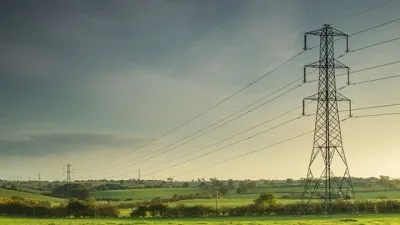
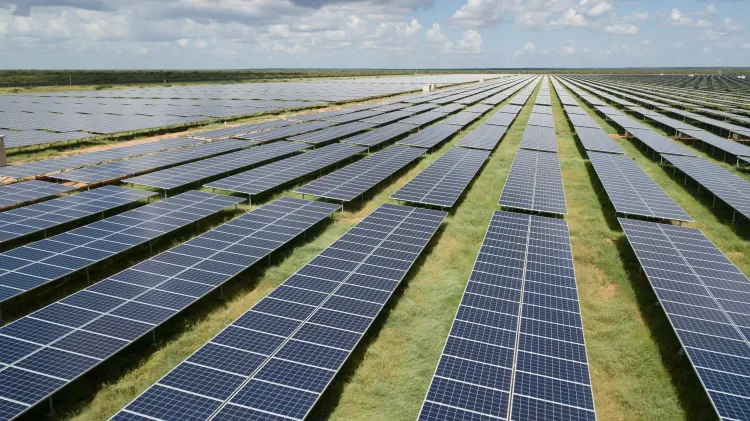
During a Cabinet meeting, the government outlined plans to boost renewable energy capacity to 100 gigawatts by 2030 to fulfill the 20 percent target, focusing on enhancing solar and wind power generation capabilities, as stated by the Ministry of Climate, Energy, and Environment.
In the previous year, renewable energy constituted 11.4 percent of the nation’s overall energy output, according to Yonhap news agency.
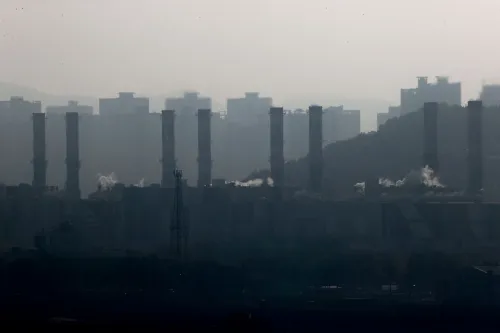
To achieve this goal, the government is planning to gradually phase out 60 coal-fired power plants by 2040, while simultaneously promoting renewable energy solutions.
Additionally, there will be efforts to nurture the development of green industries by investing in technologies related to solar panels, wind turbines, and battery storage systems.
Moreover, the government aims to assist major industries in transitioning to eco-friendlier practices, which includes supporting the steel industry’s ambition to commercialize hydrogen-based iron-making technology by 2037 and the petrochemical sector’s plan to electrify its naphtha cracking facilities, as noted by the ministry.
The ministry also mentioned its intention to ensure that 40 percent of new vehicle sales are electric or hydrogen-powered by 2030.
“We are committed to promptly executing our energy transition strategy to ensure that South Korea remains resilient against external pressures, such as the ongoing conflict in the Middle East,” stated Climate Minister Kim Sung-whan in a press release.
Point of View
South Korea's commitment to renewable energy underlines its proactive approach towards energy independence and sustainability. This strategic move not only addresses domestic energy needs but also positions the country as a leader in the global transition to clean energy.
NationPress
14 Oct 2026
Frequently Asked Questions
What is South Korea's renewable energy target for 2030?
South Korea aims to achieve at least 20% of its power generation from renewable energy sources by 2030.
How much renewable energy did South Korea generate last year?
In the previous year, renewable energy accounted for 11.4% of the country's total energy generation.
What plans does the government have regarding coal-fired power plants?
The government plans to gradually shut down 60 coal-fired power plants by 2040 to promote renewable energy.
What industries will benefit from South Korea's renewable energy push?
The plan includes support for green industries, including solar power, wind power, and battery storage technology.
What percentage of new car sales is South Korea targeting for electric or hydrogen vehicles by 2030?
The government aims for 40% of new car sales to be electric or hydrogen vehicles by 2030.