Talabira II & III coal mine hits record 19.14 MT output in FY26
Synopsis
Talabira II & III in Odisha just set an all-time production record — 19.14 MT in a single financial year — while feeding power plants across nine states. With zero fatal accidents since inception and AI-powered logistics cutting gate-processing time by more than half, this mine is fast becoming the benchmark for India's coal-block allocation model.
Key Takeaways
Talabira II & III Open Cast Coal Mine produced a record 19.14 MT and dispatched 17.69 MT in FY26 .
Year-on-year production growth stood at 11.28% , with a single-day peak of 1,26,138.07 tonnes on 21 March 2026 .
Cumulative production reached 72.23 MT and dispatch 70.89 MT up to 14 August 2026 .
The Digital Logistics Management System (DLMS) cut vehicle entry-gate processing time from 1.42 minutes to 0.54 minutes .
The mine has recorded nil fatal accidents since inception and supports 3,277 employment opportunities .
Coal from the mine supplies power plants across nine states , including NTPC Darlipali, NTPC Gadarwara, and NTPC Kudgi.
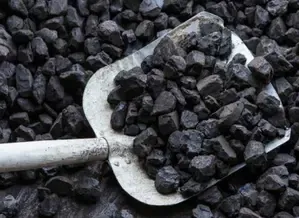
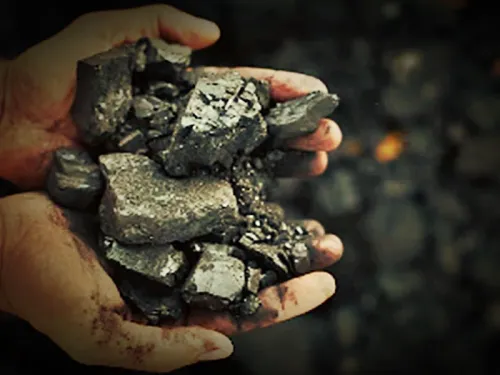
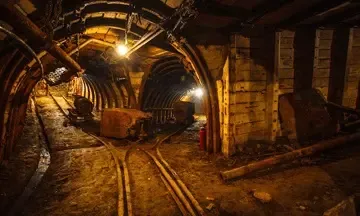
Talabira II & III Open Cast Coal Mine in Odisha achieved record production of 19.14 MT and dispatched 17.69 MT of coal in FY26, marking a landmark year for the mine allocated under the Centre's Nominated Authority (NA) framework, according to an official statement issued on 24 August 2026. The performance underscores the government's push to strengthen domestic coal output and energy security through structured block allocations.
Record-Breaking Numbers
The mine, spread across Sambalpur and Jharsuguda districts of Odisha and allocated to NLC India Ltd. on 2 May 2016, recorded year-on-year production growth of 11.28% in FY26. It also logged its highest-ever single-day output of 1,26,138.07 tonnes on 21 March 2026 and a highest-ever monthly production of 3.39 MT in March 2026.
Cumulatively, the mine has produced 72.23 MT and dispatched 70.89 MT up to 14 August 2026 since commencement of operations — a sustained growth trajectory that the Ministry of Coal has highlighted as a model for the NA framework.
Energy Supply Across States
Coal from Talabira II & III feeds power-generating facilities across multiple states, including NTPC Darlipali, NTPC Gadarwara, NTPC Khargone, NTPC Kudgi, and other power plants in Odisha, Chhattisgarh, Jharkhand, Madhya Pradesh, Karnataka, Andhra Pradesh, Tamil Nadu, and West Bengal. This multi-state supply network positions the mine as a critical node in India's thermal power ecosystem.
Technology Driving Efficiency
The Ministry of Coal credited technology adoption as a key enabler at the mine. The Digital Logistics Management System (DLMS) — built on RFID-based vehicle verification, AI-enabled cameras, and smart entry-exit gates — has significantly cut turnaround times. Average entry-gate processing time dropped from 1.42 minutes to 0.54 minutes, while tare weighment time fell from 1.34 minutes to 0.48 minutes.
Additional technology deployed includes surface miners with dust-suppression systems, GPS-based fleet management and geo-fencing, 3D Terrestrial Laser Scanning with GNSS receivers, drone-based surveying, mechanised truck loading, Continuous Ambient Air Quality Monitoring Stations, and CCTV surveillance.
Safety and Community Impact
The mine has recorded nil fatal accidents since inception — a record attributed to a comprehensive Safety Management Plan, improved haul-road and traffic management, PPE compliance, strengthened blasting protocols, and near-miss reporting via the ARAN Safety App.
On the employment front, Talabira II & III supports 3,277 jobs in total — 1,277 direct and approximately 2,000 indirect through transportation and allied activities. The Ministry noted that the mine's performance 'illustrates the tangible outcomes possible through the operationalisation of coal resources allocated under the Government's coal-block allocation framework.'
With domestic energy demand continuing to rise, the Talabira mine's FY26 record is likely to inform the Centre's broader coal-block operationalisation strategy in the years ahead.
Point of View
But the more significant signal is what they reveal about the Nominated Authority framework's potential. India has long struggled to translate allocated coal blocks into actual output — cancellations, litigation, and slow ramp-ups have historically hobbled the pipeline. A mine that has reached 72.23 MT cumulatively with zero fatalities and AI-driven logistics is a proof of concept the Centre will lean on heavily as it pushes remaining unoperationalised blocks. The real test, however, is replicability: Talabira's performance has benefited from NLC India's institutional capacity and a relatively straightforward site. Whether smaller or more complex allocations can match this trajectory remains the unanswered question in India's coal security calculus.
NationPress
8 Oct 2026
Frequently Asked Questions
What production record did Talabira II & III coal mine set in FY26?
Talabira II & III Open Cast Coal Mine in Odisha produced a record 19.14 MT and dispatched 17.69 MT of coal in FY26, reflecting year-on-year production growth of 11.28%. The mine also logged its highest-ever single-day output of 1,26,138.07 tonnes on 21 March 2026.
Who operates Talabira II & III coal mine and when was it allocated?
The mine is allocated to NLC India Ltd. and was assigned on 2 May 2016 under the Centre's Nominated Authority (NA) coal-block allocation framework. It is located across Sambalpur and Jharsuguda districts in Odisha.
Which states receive coal from Talabira II & III?
The mine supplies coal to power plants across nine states — Odisha, Chhattisgarh, Jharkhand, Madhya Pradesh, Karnataka, Andhra Pradesh, Tamil Nadu, West Bengal, and Madhya Pradesh — including major NTPC facilities at Darlipali, Gadarwara, Khargone, and Kudgi.
How has technology improved operations at Talabira II & III?
The Digital Logistics Management System (DLMS), using RFID verification and AI-enabled cameras, cut average vehicle entry-gate processing time from 1.42 minutes to 0.54 minutes. The mine also uses GPS fleet management, drone surveying, and 3D laser scanning for operational efficiency.
What is the mine's safety and employment record?
Talabira II & III has recorded nil fatal accidents since inception, backed by a Safety Management Plan and the ARAN Safety App for near-miss reporting. The mine supports 3,277 employment opportunities — 1,277 direct and approximately 2,000 indirect through transportation and allied activities.