Tata Sons AGM on August 18: Chandrasekaran vote, SRTT dispute cloud proceedings
Synopsis
Tata Sons' 18 August AGM is shaping up to be anything but routine. A regulatory freeze on the Sir Ratan Tata Trust — which co-controls two-thirds of Tata Sons — threatens the quorum mechanism built into the company's own Articles of Association, putting Chandrasekaran's reappointment and the AGM's very validity under an unusual legal cloud.
Key Takeaways
Tata Sons will hold its AGM on 18 August in Mumbai .
Chandrasekaran's reappointment as director is the headline agenda item; his second term ends in February 2027 .
The Sir Ratan Tata Trust (SRTT) has reportedly been unable to convene trustee meetings due to ongoing proceedings before the Maharashtra Charity Commissioner .
Under Article 86 of Tata Sons' Articles of Association, a valid AGM quorum requires a representative jointly nominated by SRTT and the Sir Dorabji Tata Trust (SDTT) .
The Tata Trusts collectively hold roughly two-thirds of Tata Sons, making the SRTT impasse a systemic governance concern.
Possible remedies include SRTT seeking limited Charity Commissioner permission or a regulatory clarification on shareholder rights.
Tata Sons is set to hold its Annual General Meeting (AGM) on 18 August in Mumbai, with the gathering expected to spotlight the conglomerate's distinctive governance architecture at a moment when regulatory proceedings involving one of its principal shareholders could complicate the passage of key resolutions.
Chandrasekaran Reappointment on the Agenda
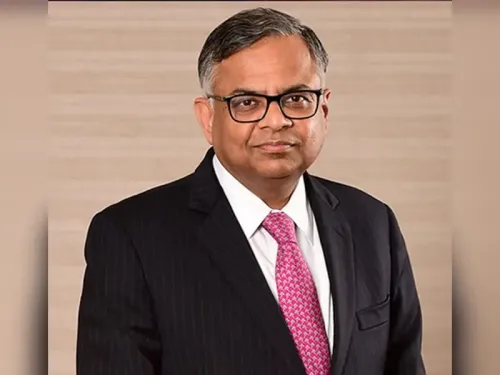
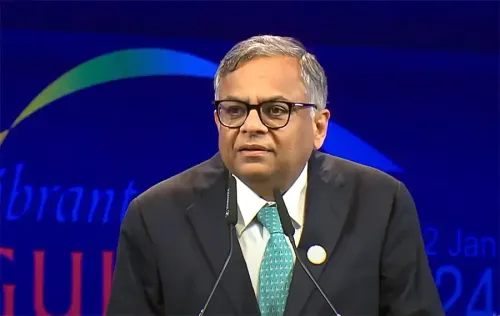
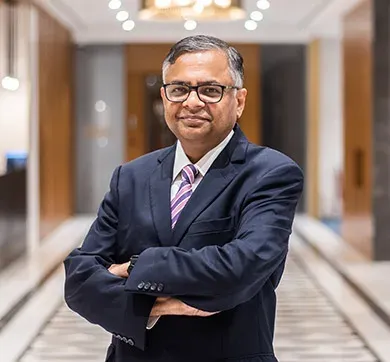
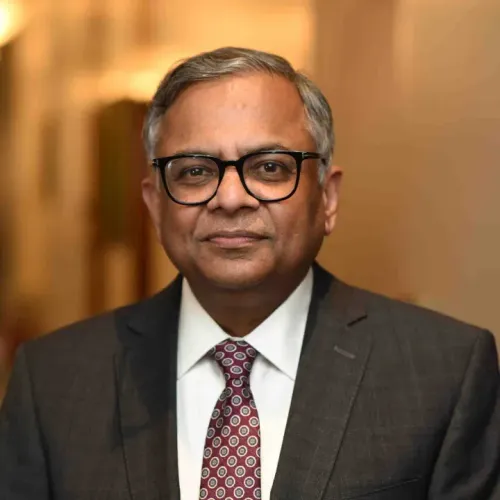
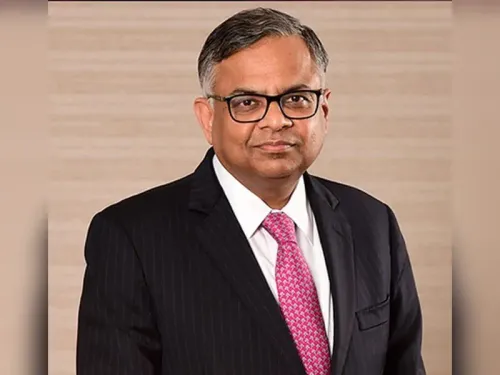
The most closely watched item on the agenda is the reappointment of Tata Sons Chairman N. Chandrasekaran as a director. Chandrasekaran, who joined the Tata Sons board in October 2016, is due to retire by rotation and will require fresh shareholder approval to continue. His second term as chairman is scheduled to conclude in February 2027. While director reappointments of this nature are ordinarily procedural, this year's vote carries heightened significance given the regulatory cloud hanging over one of the Tata Trusts.
The SRTT Dispute and What It Means
At the centre of the complications are ongoing proceedings before the Maharashtra Charity Commissioner involving the Sir Ratan Tata Trust (SRTT) — one of two principal Tata Trusts that together hold roughly two-thirds of Tata Sons. The proceedings stem from complaints regarding whether the presence of permanent or life trustees on the SRTT board is consistent with the provisions of the Maharashtra Public Trusts Act. Pending further directions from the Charity Commissioner, the SRTT has reportedly been unable to convene trustee meetings.
The second principal trust, the Sir Dorabji Tata Trust (SDTT), is not under similar restrictions and has been able to continue holding meetings and taking decisions as normal.
The Quorum Problem Under Article 86
The regulatory freeze on SRTT meetings creates a specific procedural challenge rooted in Tata Sons' own Articles of Association. Under Article 86, a valid quorum for any general meeting of Tata Sons requires the presence of an authorised representative jointly nominated by the SRTT and the SDTT — provided both trusts continue to hold the prescribed shareholding threshold in the holding company. Since SRTT cannot formally convene a trustee meeting to authorise such a nomination, the mechanism for fulfilling this quorum condition is in question.
Possible Paths Forward
According to reports, one option under consideration is for the SRTT to approach the Maharashtra Charity Commissioner for specific, limited permission to hold a meeting solely for the purpose of authorising its participation in the Tata Sons AGM. Alternatively, the regulator may issue a clarification on whether its interim directions — which relate to the trust's internal governance — also restrict the SRTT from exercising its shareholder rights in Tata Sons. Legal observers note these are distinct issues: internal trust governance and the exercise of shareholding rights may not necessarily be treated as co-extensive by the Commissioner.
Broader Governance Implications
This comes amid growing scrutiny of the governance structures of India's largest conglomerate. The Tata Trusts' collective control over Tata Sons — and through it, a sprawling portfolio spanning Tata Consultancy Services (TCS), Tata Motors, Tata Steel, and dozens of other entities — means that any disruption at the trust level carries downstream consequences across publicly listed companies. How the SRTT situation is resolved ahead of 18 August will be closely watched by institutional investors, minority shareholders, and corporate governance practitioners alike.
Point of View
And the fix — whether a limited Charity Commissioner permission or a clarification on shareholder rights — is being improvised in real time. More broadly, concentrating effective control of India's largest conglomerate in century-old charitable trusts governed by colonial-era legislation creates exactly this kind of institutional fragility. The AGM outcome will signal whether the group's celebrated governance reputation can absorb a procedural stress test of this kind.
NationPress
26 Oct 2026
Frequently Asked Questions
When is the Tata Sons AGM and what is on the agenda?
The Tata Sons AGM is scheduled for 18 August. The primary agenda item is the reappointment of Chairman N. Chandrasekaran as a director, who is due to retire by rotation; his second term as chairman runs until February 2027.
Why are the Sir Ratan Tata Trust proceedings a problem for the AGM?
The Maharashtra Charity Commissioner is conducting proceedings into whether the SRTT's board composition complies with the Maharashtra Public Trusts Act, reportedly preventing the trust from convening meetings. Since Tata Sons' Article 86 requires a jointly nominated representative from both SRTT and SDTT to form a valid AGM quorum, the SRTT's inability to formally authorise such a nominee creates a procedural impasse.
What solutions are being considered to resolve the quorum issue?
According to reports, the SRTT may seek specific, limited permission from the Maharashtra Charity Commissioner to hold a meeting solely to authorise its AGM participation. Alternatively, the Commissioner may clarify whether its interim directions on internal trust governance also restrict the SRTT from exercising its shareholder rights in Tata Sons.
How much of Tata Sons do the Tata Trusts control?
The Sir Ratan Tata Trust and the Sir Dorabji Tata Trust together hold approximately two-thirds of Tata Sons, giving them collective control over the holding company that anchors the broader Tata Group.
Is the Sir Dorabji Tata Trust also affected by the regulatory proceedings?
No. The Sir Dorabji Tata Trust is not subject to the same restrictions and has been able to continue holding meetings and taking decisions. The regulatory proceedings are specific to the Sir Ratan Tata Trust.