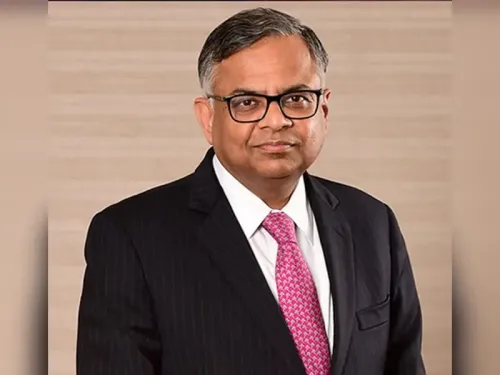
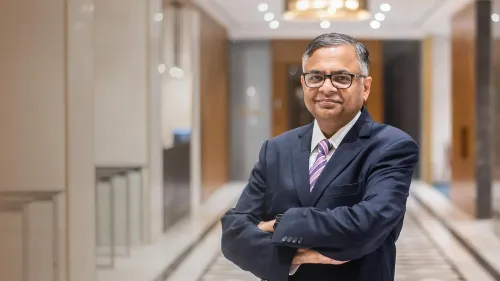
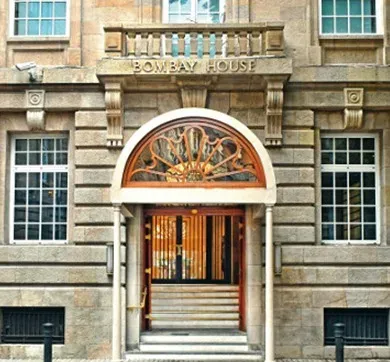
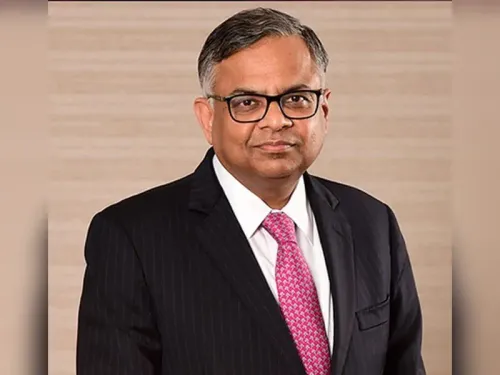
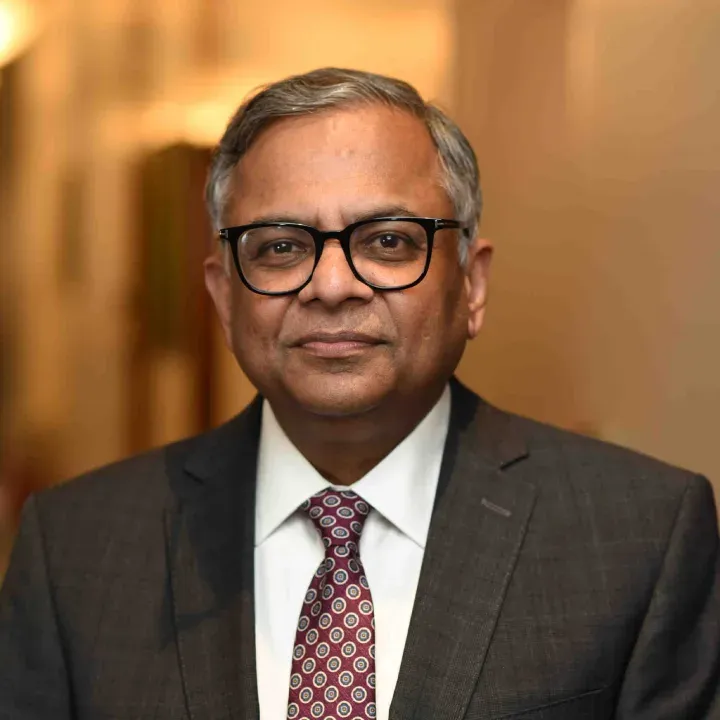
Tata Sons Chairman N Chandrasekaran resigns, won't seek reappointment in 2027
Synopsis
N Chandrasekaran is stepping down as Tata Sons Chairman after nearly a decade at the top, with his exit coming just days before the group’s AGM and against the backdrop of unresolved ownership questions involving the Shapoorji Pallonji Group. The announcement sent TCS tumbling up to 5 per cent and rattled stocks across the Tata portfolio — underscoring how much the market had priced in continuity at the conglomerate’s helm.
Key Takeaways
N Chandrasekaran has resigned as Tata Sons Chairman and will not seek reappointment when his tenure ends in February 2027 .
The announcement came ahead of Tata Sons’ AGM on 18 August .
Chandrasekaran joined TCS as an intern in 1987 and has led Tata Sons since January 2017 .
In July 2025 , two conditions — Tata Sons remaining unlisted and resolution of the Shapoorji Pallonji Group stake — were reportedly set for his tenure extension.
TCS fell up to 5 per cent ; Tata Consumer Products , Titan , and Tata Power also declined on the news.
Tata Trusts holds approximately 66 per cent of Tata Sons.
Tata Sons Chairman N Chandrasekaran has resigned from his position and will not seek reappointment when his current tenure expires in February 2027, according to reports citing sources. The development, disclosed ahead of Tata Sons' Annual General Meeting (AGM) scheduled for 18 August, marks the end of an era for one of India's most consequential corporate leaders.
Chandrasekaran's Statement
In a statement, Chandrasekaran said: “I have completed 40 years of professional life at the Tata Group. I am grateful for the immensely satisfying opportunity to contribute to this venerable institution. Leading Tata Sons over the past decade has been a great honour and a profound responsibility.”
Chandrasekaran joined Tata Consultancy Services (TCS) as an intern in 1987, rose to become its Chief Executive Officer in 2009, and was elevated to Chairman of Tata Sons in January 2017. His nearly eight-year tenure at the helm of the group saw the conglomerate expand aggressively into aviation, semiconductors, and digital services.
Background: The Conditions That Were Not Met
In July 2025, Tata Sons had reportedly set two conditions for extending Chandrasekaran’s tenure: that the holding company would remain unlisted, and that a resolution would be reached on the stake held by the Shapoorji Pallonji (SP) Group. According to reports, neither condition appears to have been conclusively settled, adding context to the timing of his exit.
Tata Sons is the principal investment holding company of the Tata Group, with Tata Trusts holding approximately 66 per cent of the company. The SP Group’s shareholding has been a long-running structural tension within the group’s ownership architecture.
Market Reaction
News of the resignation triggered selling pressure across several Tata Group stocks in Wednesday’s morning trade. TCS fell up to 5 per cent, while Tata Consumer Products declined more than 1 per cent to ₹1,066 per share on the National Stock Exchange (NSE). Titan Company shares slipped 1.03 per cent to ₹5,075.10, and Tata Power Company eased 0.9 per cent to ₹376.60.
What Comes Next
The conglomerate is currently navigating a complex restructuring of its businesses and broader ownership and capital structure questions. The identity of Chandrasekaran’s successor has not been announced, and the AGM on 18 August will be closely watched for any further disclosures. Leadership continuity at Tata Sons will be a central question for investors and stakeholders across the group’s sprawling portfolio.
Point of View
And the unresolved Shapoorji Pallonji stake remains the most consequential structural overhang in Indian corporate governance. The market’s immediate reaction, a TCS drop of up to 5 per cent, reflects how deeply the group’s stability had been tied to one individual. The harder question is succession: Tata Sons has historically struggled to find leaders who can straddle both the operational complexity of a multi-sector conglomerate and the unique demands of a trust-owned structure. Whoever follows Chandrasekaran will inherit both the group’s ambitions in semiconductors and aviation and its unfinished ownership disputes.
NationPress
26 Sept 2026
Frequently Asked Questions
Why is N Chandrasekaran resigning as Tata Sons Chairman?
Chandrasekaran has stated he is stepping down after completing 40 years of professional life at the Tata Group, with his tenure set to end in February 2027. Reports indicate that two conditions set in July 2025 for extending his tenure — Tata Sons remaining unlisted and a resolution of the Shapoorji Pallonji Group’s stake — were not conclusively met.
When does Chandrasekaran’s tenure as Tata Sons Chairman end?
His current tenure expires in February 2027 . He has confirmed he will not seek reappointment, making the transition effective at that point unless the board acts sooner.
How did Tata Group stocks react to the resignation news?
Several Tata Group stocks came under selling pressure. TCS fell up to 5 per cent, Tata Consumer Products declined over 1 per cent to ₹1,066, Titan slipped 1.03 per cent to ₹5,075.10, and Tata Power eased 0.9 per cent to ₹376.60 in Wednesday morning trade.
Who owns Tata Sons and what is the Shapoorji Pallonji stake dispute?
Tata Trusts holds approximately 66 per cent of Tata Sons, making it the dominant shareholder. The Shapoorji Pallonji Group holds a significant minority stake, and the resolution of that shareholding has been a long-running structural tension within the group’s ownership architecture.
What happens next at Tata Sons after Chandrasekaran’s resignation?
Tata Sons’ AGM on 18 August is expected to be closely watched for further disclosures on leadership succession. No successor has been named yet, and the group continues to navigate business restructuring and ownership questions.