Tata Sons AGM deferred for first time in history over quorum shortfall
Synopsis
For the first time in its history, Tata Sons failed to hold its AGM — a quorum shortfall reportedly tied to restrictions around the Sir Ratan Tata Trust. The disruption lands at the worst possible moment: with Chairman N. Chandrasekaran stepping down in February 2027 and no successor named, the governance vacuum at India's most storied conglomerate is now impossible to ignore.
Key Takeaways
Tata Sons' AGM on 18 August was deferred for the first time in the holding company's history due to a lack of quorum.
The shortfall is reportedly linked to a restriction involving the Sir Ratan Tata Trust (SRTT) .
Chandrasekaran will not seek reappointment; his term ends on 20 February 2027 .
The Sir Dorabji Tata Trust has begun a formal search for his successor, with Noel Tata playing a key role.
Tata Trusts collectively hold approximately 66 per cent of Tata Sons, giving them decisive influence over the appointment.
Noel Tata is set to retire from the boards of six Tata Group companies in November upon turning 70 .
Tata Sons' Annual General Meeting (AGM) on Tuesday, 18 August was called off due to a lack of quorum — marking the first time in the holding company's history that an AGM has been deferred, according to reports. The development is reportedly linked to a restriction involving the Sir Ratan Tata Trust (SRTT).
What Triggered the Quorum Shortfall
According to reports citing sources, the inability to meet quorum requirements was connected to constraints around the SRTT, one of the principal Tata Trusts that collectively hold approximately 66 per cent of Tata Sons. The precise nature of the restriction has not been officially disclosed. The episode is being seen as unusually significant for a conglomerate of Tata Sons' stature, where AGMs have historically proceeded without disruption.
Leadership Transition Casts a Shadow
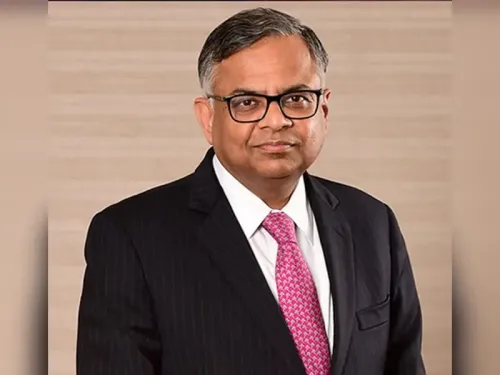
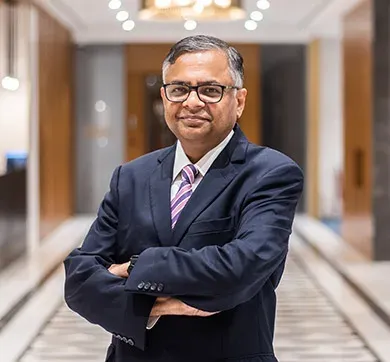
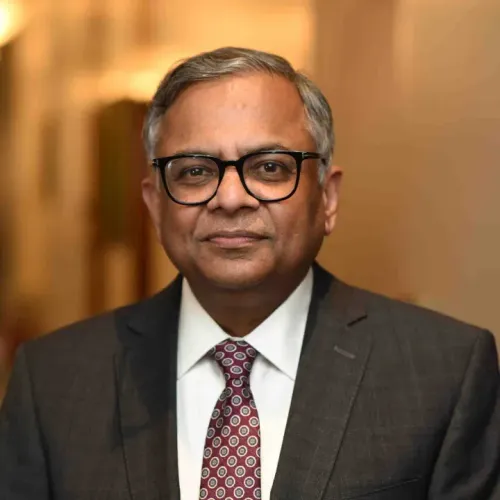
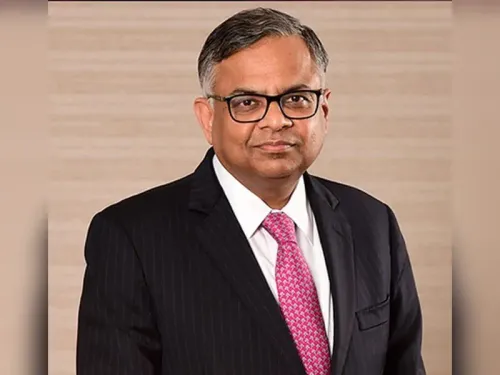
The deferred meeting arrives at a particularly sensitive moment for the group. N. Chandrasekaran, who has spent four decades with the Tata Group, announced earlier in August that he would not seek reappointment as Chairman of Tata Sons when his current term expires on 20 February 2027. He described his tenure as 'a great honour and a profound responsibility.'
Chandrasekaran had communicated this decision to the Tata Sons board ahead of the AGM. According to him, six months had elapsed since that board meeting without a resolution being reached on the succession front.
The Succession Process
With Chandrasekaran's departure confirmed, the Sir Dorabji Tata Trust has commenced a formal search for his successor. The eventual appointment will be governed by a committee mechanism laid out in Tata Sons' Articles of Association.
Noel Tata, Chairman of the Tata Trusts, is reportedly emerging as a key figure in shaping the selection of the next Tata Sons chairman. Notably, Noel Tata is understood to have expressed concerns about losses at certain group businesses during a Tata Sons board meeting in May, where Chandrasekaran had outlined performance, growth prospects, and capital requirements for newer segments including electronics and aviation.
Noel Tata's Own Transition
Noel Tata's influence in the succession process comes even as he approaches his own transition. He is scheduled to retire from the boards of six Tata Group companies in November, upon attaining the age of 70, in line with retirement norms applicable to non-executive directors.
The convergence of a deferred AGM, a chairman-in-transition, and a key trustee nearing mandatory retirement makes this one of the most consequential governance moments in Tata Sons' recent history. How the group navigates the next few months will be closely watched by investors, creditors, and the broader Indian corporate ecosystem.
Point of View
And those tensions are colliding with a leadership vacuum that has been building since Chandrasekaran signalled his exit. The succession process, now formally underway, will be shaped by Noel Tata at the very moment he is stepping back from operational roles himself. That creates a paradox: the person most influential in picking the next chairman will, by November, no longer sit on the boards of the companies that chairman will lead. Markets and institutional investors should watch not just who gets the job, but whether the process itself surfaces deeper disagreements within the trust structure that the AGM deferral has already hinted at.
NationPress
2 Oct 2026
Frequently Asked Questions
Why was Tata Sons' AGM deferred on 18 August?
Tata Sons' AGM on 18 August was deferred because the meeting failed to achieve the required quorum — the first time this has happened in the holding company's history. The shortfall is reportedly linked to a restriction involving the Sir Ratan Tata Trust (SRTT), though the precise nature of the restriction has not been officially disclosed.
Who is succeeding N. Chandrasekaran as Tata Sons Chairman?
No successor has been named yet. Chandrasekaran's term ends on 20 February 2027, and the Sir Dorabji Tata Trust has formally commenced a search. The appointment will be made through a committee mechanism defined in Tata Sons' Articles of Association.
What role does Noel Tata play in the succession process?
Noel Tata, as Chairman of the Tata Trusts, is reportedly emerging as a central figure in shaping the selection of the next Tata Sons chairman. The Tata Trusts collectively hold around 66 per cent of Tata Sons, giving them decisive influence over the appointment.
When is Noel Tata retiring from Tata Group boards?
Noel Tata is scheduled to retire from the boards of six Tata Group companies in November, upon attaining the age of 70, in line with retirement norms for non-executive directors.
What concerns did Noel Tata raise at the May board meeting?
During a Tata Sons board meeting in May, Noel Tata is understood to have expressed concerns about losses at certain group businesses. The meeting also saw Chandrasekaran outline the performance, growth prospects, and capital requirements of newer segments including electronics and aviation.