Tata Sons board meets 30 Nov on IPO roadmap, Chandrasekaran term
Synopsis
The RBI has effectively forced the question of a Tata Sons IPO. The board will now weigh a six-month listing plan and Chandrasekaran's third term, while Noel Tata opposes both. Any decision remains subject to the Bombay High Court's final ruling.
Key Takeaways
The Tata Sons board meets on 30 November after the Bombay High Court declined to stop the meeting; decisions remain subject to its final ruling.
A reported plan proposes filing a draft prospectus with SEBI within 90 days and listing within about six months .
The RBI rejected Tata Sons' bid to surrender its core investment company registration, so upper-layer NBFC listing rules apply.
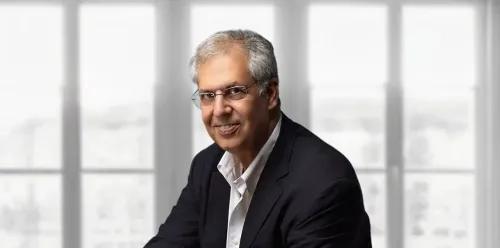
Noel Tata opposes the listing, while N.
Chandrasekaran and several directors reportedly favour complying with the RBI.
Tata Trusts hold about 66% of Tata Sons and the SP Group about 18% .
The board may also approve equity infusions into Air India , Tejas Networks and Agratas .
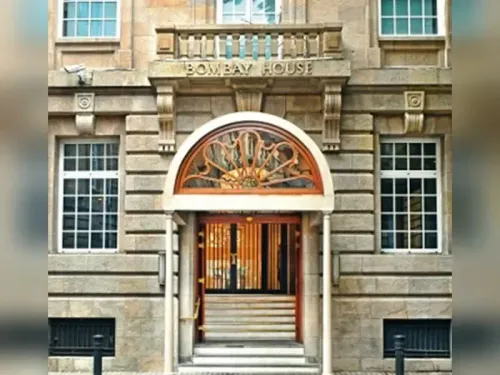
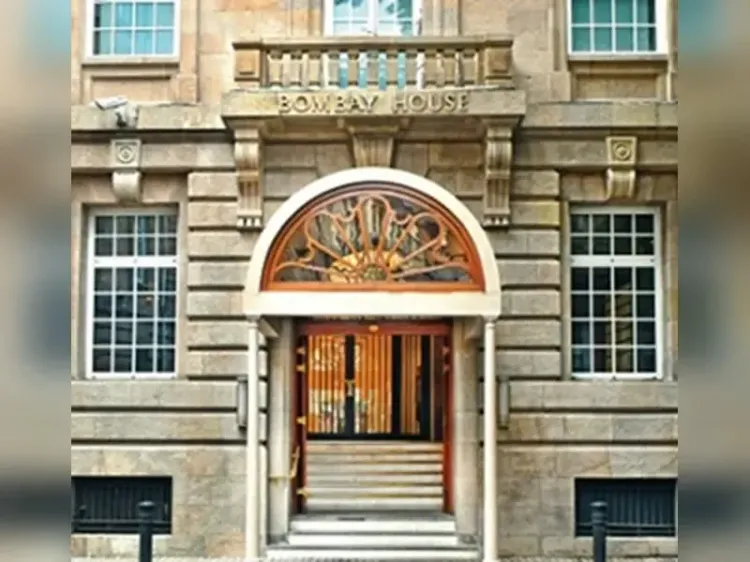
The Tata Sons board will meet on 30 November in Mumbai to consider a proposed roadmap for a possible initial public offering (IPO), shareholder approval for N. Chandrasekaran's continuation as chairman, and fresh capital for key group companies. Legal disputes and disagreements among shareholders continue to hang over the meeting. The session goes ahead after the Bombay High Court declined to stop it, while ruling that any decisions taken would remain subject to its final verdict.
The meeting was first scheduled for 26 November. It was postponed after Tata Trusts chairman Noel Tata raised concerns about the notice period given to directors.
Key Developments: The IPO Roadmap
A central item on the agenda is reportedly a six-month roadmap for a possible public listing of Tata Sons. This follows the Reserve Bank of India's (RBI) rejection of the holding company's application to surrender its registration as a core investment company.
The RBI has held that Tata Sons must follow the rules that apply to upper-layer non-banking financial companies (NBFCs), including the listing requirements. Under that framework, an unlisted Tata Sons would remain out of compliance with the central bank's rules.
According to sources, the board is expected to review a plan with three steps. Tata Sons would first seek shareholder approval. It would then file a draft prospectus with the Securities and Exchange Board of India (SEBI) within 90 days, and complete the listing in about six months.
Boardroom Divisions Over Listing
The proposed IPO still faces opposition from Noel Tata, who has argued that the company should first examine alternatives to a public listing. Chandrasekaran and several other board members are believed to favour complying with the RBI's directives.
The outcome matters for shareholders. Tata Trusts together hold about 66 per cent of Tata Sons, while the Shapoorji Pallonji (SP) Group owns roughly 18 per cent. A listing could give minority shareholders such as the SP Group a way to sell or trade their stakes, which they cannot easily do while the company is unlisted.
Chandrasekaran's Continuation as Chairman
The board is also expected to discuss calling an extraordinary general meeting (EGM) to seek shareholder approval for Chandrasekaran to stay on as chairman. His proposed third five-year term, beginning February 2027, was approved at a contentious board meeting in September despite Noel Tata's opposition.
Questions over shareholder quorum requirements add another layer of complexity. With the Trusts holding a controlling stake and their chairman opposed to key proposals, both the EGM process and the listing plan could face procedural hurdles.
Capital Infusion Into Group Companies
Beyond governance, the board is expected to consider additional equity infusions into several group companies. These include Air India, telecom equipment maker Tejas Networks, and battery manufacturing venture Agratas. The conglomerate continues to fund growth and expansion plans across its businesses.
What Happens Next
Any resolutions passed on 30 November will remain subject to the Bombay High Court's final ruling, so they may not be the last word. The board must balance three pressures: the RBI's regulatory demands, the stance of its largest shareholder, and the capital needs of its businesses. How it handles them will shape the future of one of India's largest conglomerates.
Point of View
And the listing debate exposes a deeper split between the Trusts' leadership and the company's board. Noel Tata's demand to explore alternatives sounds reasonable, but the RBI has already rejected the main alternative, the deregistration route. If the Trusts keep resisting a listing that the regulator requires, the group risks drawn-out uncertainty while Air India and Agratas need steady capital. The SP Group, which stands to gain liquidity from a listing, may be the quiet winner of this standoff.
NationPress
29 Nov 2026
Frequently Asked Questions
Why is Tata Sons considering an IPO?
Tata Sons is weighing an IPO because the RBI rejected its application to surrender its core investment company registration. The RBI has held that it must meet upper-layer NBFC rules, which include listing requirements.
When is the Tata Sons board meeting?
The board meets on 30 November. It was originally set for 26 November but was postponed after Noel Tata raised concerns over the notice period.
What is the proposed timeline for the Tata Sons listing?
According to sources, the plan involves seeking shareholder approval, filing a draft prospectus with SEBI within 90 days and completing the listing in about six months.
Who opposes the Tata Sons IPO?
Tata Trusts chairman Noel Tata opposes the listing and has argued that alternatives should be evaluated first. Chandrasekaran and several other directors are believed to favour complying with the RBI.
Which group companies may receive fresh capital from Tata Sons?
The board is expected to discuss equity infusions into Air India, Tejas Networks and battery venture Agratas to support their growth and expansion plans.