Tata Sons board backs Chandrasekaran for 5th term, clears listing plan
Synopsis
In a dramatic boardroom clash, Tata Sons has reportedly reappointed N Chandrasekaran for a third five-year term and greenlit a stock market listing — overriding objections from Noel Tata, who reportedly invoked veto rights. The reversal is striking: Chandrasekaran had publicly said in August he would not seek another term. With the RBI's listing mandate looming and succession battles unresolved, this is the most consequential governance moment at Tata Sons since the Cyrus Mistry crisis.
Key Takeaways
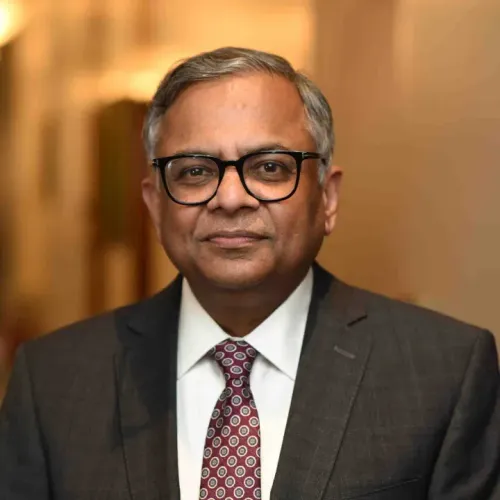
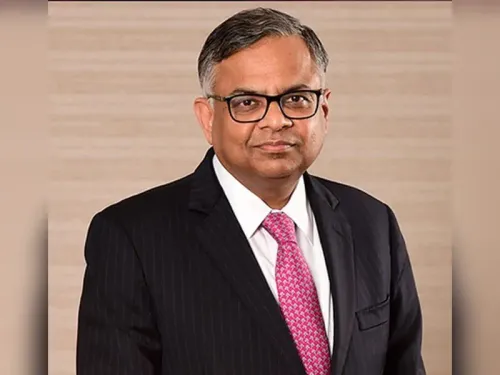
Tata Sons' board on 17 September 2026 reportedly approved a five-year extension for Chairman N Chandrasekaran , his third term since joining in February 2017 .
Tata Trusts Chairman Noel Tata reportedly opposed both the extension and the listing plan, invoking veto rights, but was outvoted.
The board also cleared Tata Sons' listing — a move mandated by the RBI , which classified the company as an upper-layer NBFC in 2022 requiring listing within three years.
Chandrasekaran had stated in August 2026 that he would not seek another term; the board's reported decision marks a reversal.
Tata Sons' AGM in August 2026 was deferred due to a lack of quorum — the first such incident in the company's history.
Concerns over performance and capital allocation at Air India and Tata Digital had previously stalled third-term talks.
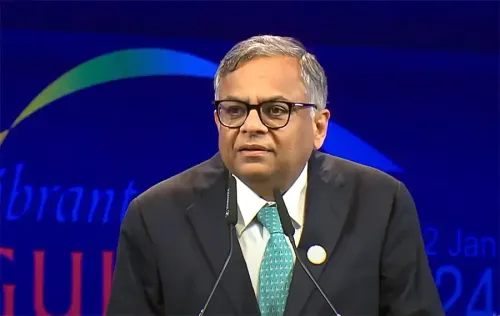
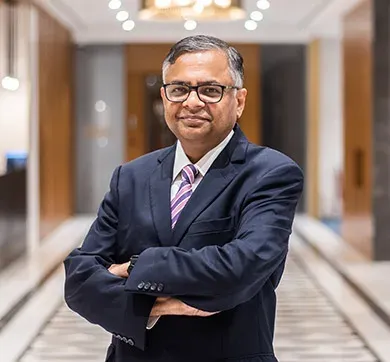
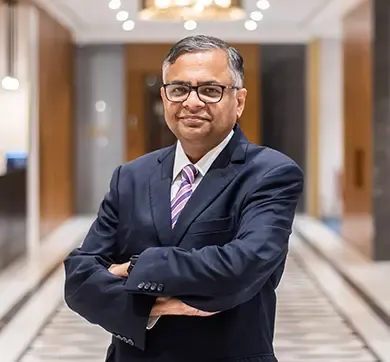
Tata Sons' board on Thursday, 17 September 2026, reportedly approved a fresh five-year extension for Chairman N Chandrasekaran and cleared the conglomerate's long-pending stock market listing — two landmark decisions that reshape the future of India's largest and most storied business group. The moves come despite reported opposition from Tata Trusts Chairman Noel Tata, who was said to have been outvoted by other board members.
Noel Tata's Reported Veto and the Board Standoff
According to reports citing sources close to the matter, Noel Tata — who reportedly holds veto rights on the board on behalf of Tata Trusts — disagreed with both the leadership extension and the listing proposal. 'Sources reveal that Noel Tata, who holds veto rights on the board on behalf of Tata Trusts, disagreed with both proposals and has invoked his veto power to block the resolutions,' the reports noted. Despite this, the board is said to have proceeded. The precise legal and constitutional weight of that veto, and whether it was formally overridden, remains to be officially clarified by the company.
The Listing Mandate and RBI's Role
The listing decision is not solely a board prerogative. The Reserve Bank of India (RBI) had classified Tata Sons as an upper-layer non-banking financial company (NBFC) in 2022, which under regulations required the company to list its shares within three years. The RBI had subsequently directed Tata Sons to proceed with the listing. The board's approval reportedly brings the company into formal compliance with this regulatory obligation, ending years of deliberation over when and how to go public.
Chandrasekaran's Decade at the Helm — and His Surprise Reversal
N Chandrasekaran has led Tata Sons since February 2017, steering the group through the Cyrus Mistry ouster controversy, the Air India acquisition, and aggressive bets on digital and EV businesses. He was reappointed for a second five-year term in 2022, with that term scheduled to end on 20 February 2027. Notably, in August 2026, Chandrasekaran had indicated he would not seek another term and formally informed the board of that decision. In a statement, he said: 'I have completed 40 years of professional life at the Tata Group. I am grateful for the immensely satisfying opportunity to contribute to this venerable institution. Leading Tata Sons over the past decade has been a great honour and a profound responsibility.' The board's reported decision to offer him a third term — and the apparent reversal of his stated position — adds a significant layer of complexity to the succession narrative.
Backdrop: AGM Disruption and Succession Turbulence
The board's decision follows a period of unusual turbulence within the group. In August 2026, Tata Sons' annual general meeting was deferred due to a lack of quorum — described as the first such instance in the company's history. The postponement was linked to restrictions involving the Sir Ratan Tata Trust and occurred against the backdrop of intensifying debate over succession planning. Earlier, while Tata Trusts had backed a third term for Chandrasekaran in 2025, discussions reportedly stalled earlier this year over concerns raised by Noel Tata regarding the performance and capital allocation of businesses including Air India and Tata Digital.
What Happens Next
The reported board decisions — on both leadership and listing — will likely face scrutiny from regulators, trust administrators, and minority stakeholders. A formal public announcement from Tata Sons is awaited. The listing, once executed, would be among the most significant IPOs in Indian corporate history given the group's scale across over 30 companies and sectors ranging from steel to software. Whether Noel Tata's reported veto triggers a legal challenge or further internal negotiation remains a key variable to watch.
Point of View
And under what pressure. The simultaneous listing approval, while regulatory necessity, hands public shareholders a future stake in a group whose internal trust dynamics have rarely been this strained.
NationPress
17 Sept 2026
Frequently Asked Questions
What did Tata Sons' board decide on 17 September 2026?
Tata Sons' board reportedly approved a fresh five-year extension for Chairman N Chandrasekaran and cleared the company's long-pending stock market listing plan. Both decisions were reportedly opposed by Tata Trusts Chairman Noel Tata, who is said to have invoked veto rights but was outvoted.
Why is Tata Sons required to list on the stock market?
The Reserve Bank of India classified Tata Sons as an upper-layer non-banking financial company (NBFC) in 2022, which under RBI regulations requires the company to list within three years. The RBI had subsequently directed Tata Sons to proceed with the listing, making it a regulatory obligation rather than a purely voluntary decision.
Didn't Chandrasekaran say he would not seek another term?
Yes. In August 2026, Chandrasekaran reportedly indicated he would not seek a third term and informed the board accordingly. He also issued a statement noting he had completed 40 years at the Tata Group. The board's reported decision to extend his tenure represents a reversal of that stated position.
What is the dispute between Noel Tata and the Tata Sons board?
According to reports, Noel Tata raised concerns over the performance and capital allocation of businesses including Air India and Tata Digital, and opposed both Chandrasekaran's reappointment and the listing plan. He reportedly invoked veto rights held on behalf of Tata Trusts, though the board is said to have proceeded nonetheless.
What happened at Tata Sons' AGM in August 2026?
Tata Sons' annual general meeting in August 2026 was deferred due to a lack of quorum — described as the first such occurrence in the company's history. The postponement was linked to restrictions involving the Sir Ratan Tata Trust and reflected the broader governance and succession tensions within the group.