India at BRICS 2026: Modi pushes tech, startups and global governance reform
Synopsis
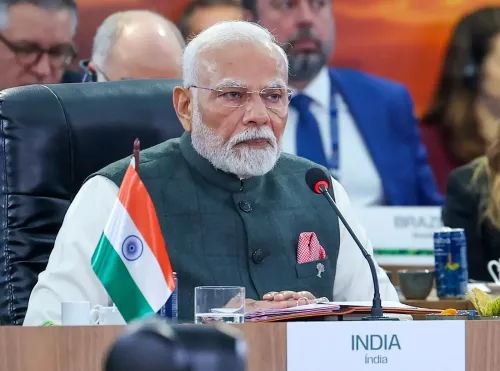
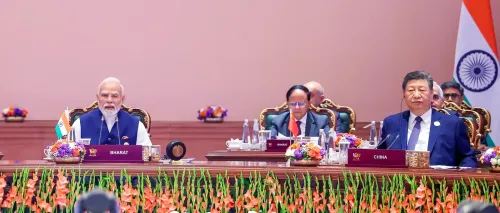
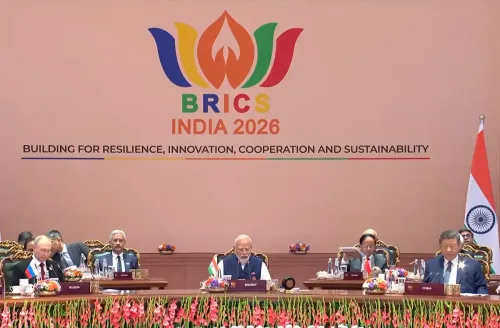
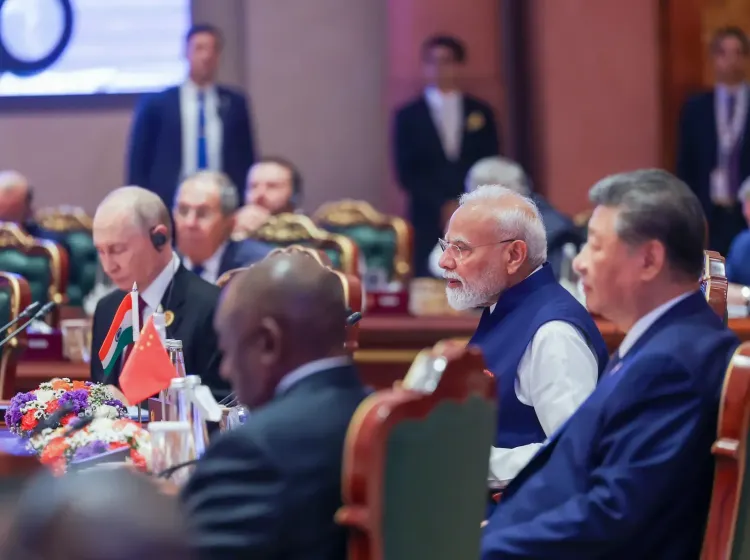
India isn't just attending BRICS — it's trying to redesign it. At the 18th summit in New Delhi, Modi laid out an agenda to turn the forum into a real economic and tech platform, backed by a BRICS Incubator Network and Startup Innovation Fund, while positioning India's own ecosystem as the connective tissue of a new Global South order.
Key Takeaways
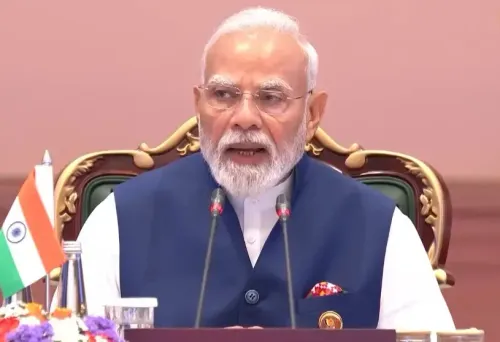
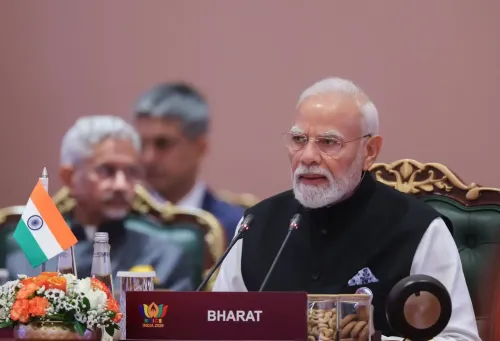
PM Narendra Modi addressed the 18th BRICS Summit in New Delhi , calling for the bloc to evolve into a genuine economic and technological platform.
Modi urged the Global South to shift from being a 'rule-taker' to a 'rule-shaper' in international institutions, including the United Nations system .
The New Delhi Declaration endorsed a BRICS Incubator Network , a proposed BRICS Startup Innovation Fund , and strengthened cooperation via the BRICS Startup Knowledge Hub .
India is pursuing multi-alignment within BRICS — maintaining ties with Russia , competing with China , and deepening partnerships with the US , Europe , and Indo-Pacific partners simultaneously.
New Delhi wants Indian startups positioned at the centre of new capital, technology, and talent flows across BRICS economies.
Prime Minister Narendra Modi used the 18th BRICS Summit in New Delhi to deliver a pointed message: India intends to transform BRICS from a geopolitical forum into a functioning economic and technological platform with measurable, real-world impact. His address foregrounded resilient supply chains, critical technologies, green energy, startup ecosystems, and structural reform of global governance institutions — signalling a strategic shift in how New Delhi views multilateral engagement.
From Rule-Taker to Rule-Shaper
At the heart of Modi's pitch was a call for the Global South to stop accepting global rules written by others and begin shaping them. He argued that developing economies remain disproportionately exposed to global crises — from trade wars to energy disruptions — while holding minimal influence in the institutions that govern responses to those crises. India is pushing for greater representation of emerging and developing economies within the United Nations system and other multilateral bodies.
This framing is consistent with India's broader diplomatic posture: New Delhi has repeatedly argued that Bretton Woods-era institutions no longer reflect the weight of the Global South in the 21st-century world economy. The BRICS platform, in India's reading, can serve as a pressure valve — demanding structural reform without triggering a full rupture with Western-led institutions.
Startups and Tech at the Centre of the BRICS Agenda
Notably, the New Delhi Declaration welcomed the establishment of a BRICS Incubator Network, signalled further consideration of a BRICS Startup Innovation Fund, and called for deeper cooperation through the BRICS Startup Knowledge Hub and Startup Forum. This places startups — not just state enterprises or trade policy — at the core of BRICS economic cooperation.
According to analysis of the summit outcomes, India understands that economic power in the emerging world order will increasingly be measured in artificial intelligence, fintech, biotechnology, energy storage, advanced manufacturing, space technologies, cybersecurity, and digital infrastructure. Connecting startup ecosystems across India, China, Brazil, Russia, and the UAE could create a significant cross-border technological marketplace.
India's Strategic Positioning Within BRICS
For New Delhi, the BRICS framework serves a dual purpose. It allows India to build an alternative ecosystem of economic cooperation capable of surviving geopolitical shocks — including trade wars, energy disruptions, and fractured global supply chains — while simultaneously maintaining its multi-alignment. India currently holds deep ties with Russia, competes strategically with China, and is expanding economic and security partnerships with the United States, Europe, Japan, and other Indo-Pacific partners.
This is India's fundamental tension within BRICS: participating in an expanded forum that includes geopolitical rivals while ensuring the platform does not force New Delhi into a rigid anti-Western bloc. Modi's emphasis on economic and technological cooperation — rather than currency alternatives or anti-dollar rhetoric — appears calibrated to navigate exactly that tension.
What India Wants From BRICS Next
India reportedly wants capital, technology, and talent to circulate through new multilateral channels — and is positioning its own startup ecosystem as a connective bridge between BRICS member economies. Whether the BRICS Startup Innovation Fund moves from proposal to operational reality will be a key indicator of whether this summit's ambitions translate into structural change. Sectoral follow-through on the New Delhi Declaration will be closely watched in the months ahead.
Point of View
India avoids the corners that trap countries like Russia or Iran — but it also means New Delhi must deliver tangible outcomes, not just declarations. A BRICS Startup Innovation Fund that stays on paper will quickly expose the gap between summit rhetoric and structural change. More fundamentally, India's multi-alignment is becoming harder to sustain as BRICS expands and member states push for more explicitly anti-Western positions; Modi's 'rule-shaper' framing is as much about managing internal BRICS divergence as it is about reforming global institutions.
NationPress
17 Sept 2026
Frequently Asked Questions
What did PM Modi propose at the 18th BRICS Summit in New Delhi?
PM Modi called for transforming BRICS into a functioning economic and technological platform, with emphasis on resilient supply chains, green energy, critical technologies, and startup ecosystems. He also pushed for greater representation of the Global South in international institutions, including the United Nations system.
What is the BRICS Startup Innovation Fund?
The BRICS Startup Innovation Fund is a proposed initiative, referenced in the New Delhi Declaration, aimed at fostering startup cooperation across BRICS member economies. It is still under consideration and has not yet become an operational body.
Why does India want to reform BRICS?
India sees BRICS as a vehicle for emerging economies to gain multilateral influence without aligning rigidly with any single geopolitical bloc. New Delhi wants to use the forum to build alternative economic cooperation channels resilient to trade wars, energy shocks, and supply chain disruptions, while keeping its multi-alignment strategy intact.
How does India balance its relationships inside BRICS?
India simultaneously maintains deep ties with Russia, competes strategically with China, and expands security and economic partnerships with the US, Europe, Japan, and Indo-Pacific partners. Modi's emphasis on economic and technological cooperation within BRICS — rather than currency or geopolitical bloc rhetoric — is seen as calibrated to manage these overlapping relationships.
What was agreed in the New Delhi Declaration on startups?
The New Delhi Declaration welcomed the establishment of a BRICS Incubator Network, called for further consideration of a BRICS Startup Innovation Fund, and endorsed deeper cooperation through the BRICS Startup Knowledge Hub and Startup Forum, placing innovation at the centre of the bloc's economic agenda.