BRICS summit 2025: Bloc challenges US dollar dominance, eyes multipolar order
Synopsis
The 18th BRICS Summit under India's presidency isn't just diplomatic pageantry — it's a 40%-of-global-GDP bloc openly testing the limits of US-led economic hegemony. With de-dollarisation on the table and bilateral defence-energy deals in play, New Delhi is positioning BRICS as the institutional spine of a multipolar world. The real question: can declarations translate into structural power?
Key Takeaways
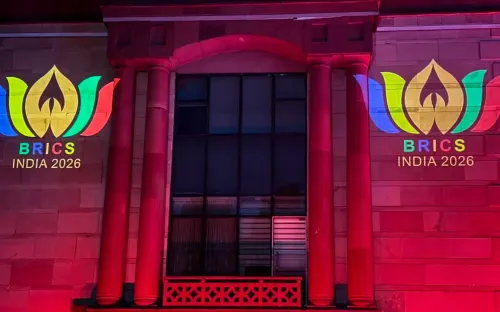
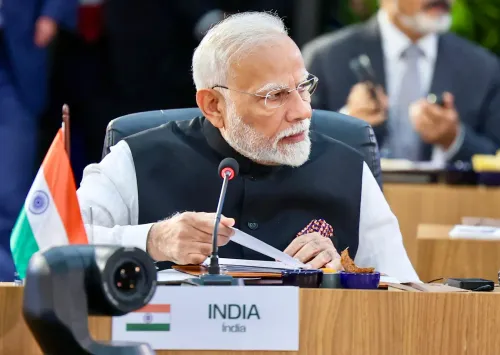
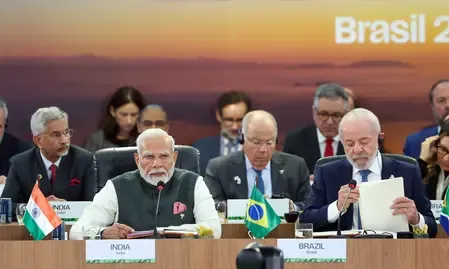
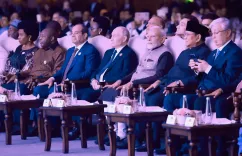
The 18th BRICS Summit is being held in New Delhi under India's presidency , with 11 full members and 10 partner countries participating.
BRICS now represents approximately 40% of global GDP and 49% of the world's population.
Member nations are pushing for greater use of national currencies in bilateral trade, challenging US dollar dominance .
India and Russia are targeting bilateral trade of $100 billion by 2030 , with defence and energy cooperation on the agenda.
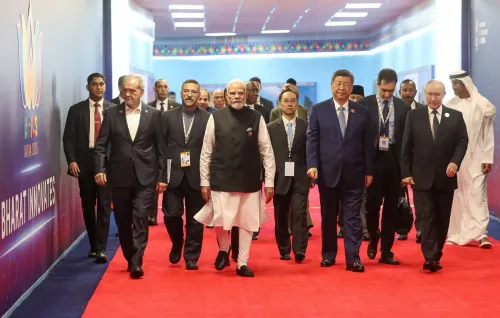
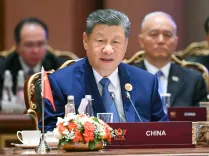
Senior Chinese officials including President Xi Jinping are attending, signalling willingness to engage despite border and trade tensions.
Key agenda items include climate change , AI , terrorism , and building a roadmap towards a multipolar world order .
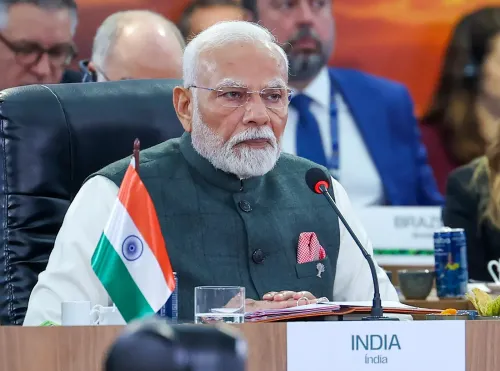
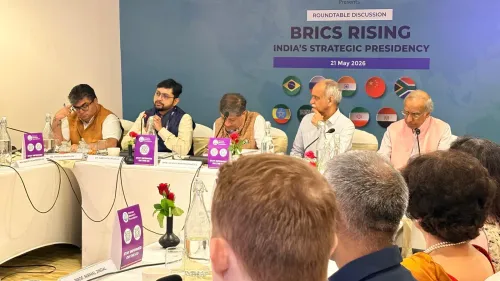
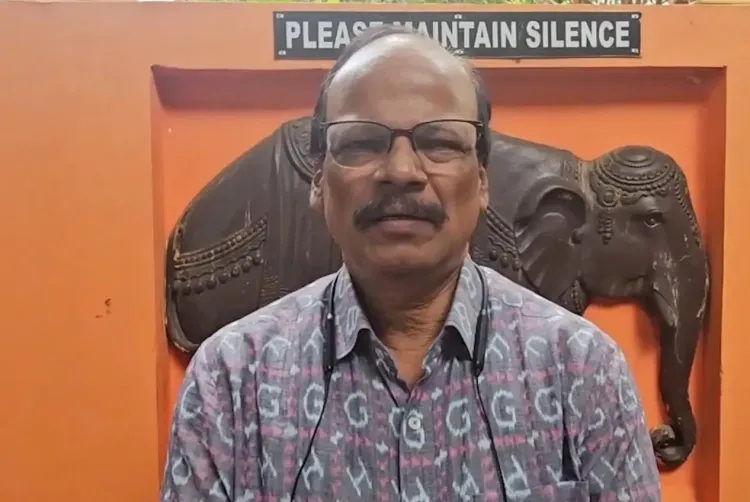
The 18th BRICS Summit, currently under way in New Delhi under India's presidency, is emerging as a pivotal moment not just for Indian diplomacy but for the broader recalibration of global economic and geopolitical power, according to foreign affairs expert Professor Manas Behera. Speaking from Bhubaneswar on 12 September, Behera described the grouping as a rising platform for a multipolar world order that is increasingly challenging US-led economic dominance.
Why This Summit Matters
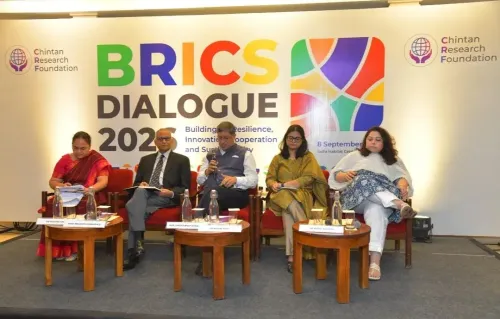
Behera underscored that the summit gains added weight amid ongoing geopolitical turbulence — the Russia-Ukraine conflict and Israeli-American military operations against Iran — which have disrupted global energy supply chains and driven up prices of petroleum, gas, and other energy products. Against this backdrop, the summit's theme of resilience, innovation, and sustainable economy reflects India's effort to signal that major global challenges can be addressed through peace, dialogue, and negotiations.
'Under India's presidency, the 18th BRICS Summit is extremely important not only for India or its bilateral relations, but for the entire world,' Behera said.
BRICS by the Numbers
Since its inception in 2009 with five founding members, the bloc has expanded significantly and now comprises 11 full members and 10 partner countries. According to Behera, the grouping represents approximately 40 per cent of global GDP and 49 per cent of the world's population — a scale that gives its collective decisions considerable economic weight.
De-dollarisation and the Challenge to US Economic Hegemony
One of the most closely watched agenda items is the push to reduce dependence on the US dollar in international trade. BRICS nations have been actively exploring greater use of their national currencies for bilateral transactions, a move that Behera described as 'certainly a challenge to the dominance of the dollar.'
However, he cautioned against overstating the immediate impact. 'This summit is not about completely eliminating the dollar,' Behera said, characterising the process as 'a new beginning' that would require a long journey. This is notable — the de-dollarisation debate often generates more heat than light, and Behera's framing suggests even advocates within BRICS view it as a generational project rather than an imminent disruption.
Bilateral Engagements on the Sidelines
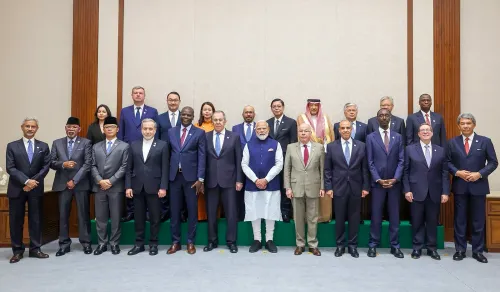
The presence of leaders from Russia, Iran, China, and other member states has provided India with a platform to deepen bilateral engagement across several fronts:
India-Russia ties: Behera noted that the two countries are targeting bilateral trade of $100 billion by 2030. According to him, discussions could span defence cooperation — including S-400 and S-500 systems, upgrades to BrahMos missiles, and advanced fighter aircraft — as well as expanded collaboration in steel, railways, space, agriculture, and fertilisers. New Delhi is reportedly set to continue expanding energy cooperation with Moscow despite US pressure, given Russia's importance as a source of India's energy imports.
India-Iran engagement: Behera said India was seeking to convey that it remained a longstanding and close friend of Tehran, with scope for expanding bilateral trade despite US sanctions.
India-China dynamics: While the two countries continue to navigate challenges over the border and trade, the participation of senior members of the Chinese Communist Party's Politburo, alongside President Xi Jinping, along with China's foreign and trade ministers, reportedly indicated a willingness to engage. Behera described this as opening possibilities for expanding India-China trade.
Broader Agenda and Road Ahead
Beyond economics, Behera highlighted climate change, artificial intelligence, terrorism, world peace, and global security as key issues on the BRICS agenda. He identified the creation of a credible roadmap towards a multipolar world as the bloc's biggest challenge — arguing that the existing US-led unipolar order faces growing contestation.
'BRICS is emerging as a multipolar platform and is challenging the dominance of the US-led economic order,' Behera said. Whether that challenge translates into institutional heft — or remains largely declaratory — will depend on the summit's ability to produce concrete deliverables beyond communiqué language.
Point of View
While symbolically potent, remains more aspiration than architecture — no common settlement mechanism or reserve currency alternative has materialised. India's real gain here is bilateral: using the summit as cover for deepening ties with Russia on defence and energy, and testing the temperature with Beijing on trade. The challenge for New Delhi is calibration — every embrace of a multipolar framing that includes Moscow and Tehran is read in Washington as a signal. Whether India can extract concrete economic benefits while managing Western pushback will determine if this presidency is remembered as substantive or ceremonial.
NationPress
13 Sept 2026
Frequently Asked Questions
What is the 18th BRICS Summit about?
The 18th BRICS Summit, held in New Delhi under India's presidency, focuses on resilience, innovation, and sustainable economy. It brings together 11 full members and 10 partner countries representing about 40% of global GDP to discuss trade, de-dollarisation, climate change, AI, and a multipolar world order.
How is BRICS challenging US dollar dominance?
BRICS member nations are exploring greater use of their national currencies for bilateral trade instead of the US dollar. According to expert Manas Behera, this is 'a new beginning' rather than an attempt to eliminate the dollar entirely, describing it as a long-term process.
What bilateral deals are being discussed at the summit?
India and Russia are reportedly targeting bilateral trade of $100 billion by 2030, with discussions covering S-400 and S-500 systems, BrahMos upgrades, and cooperation in steel, railways, space, and agriculture. India is also engaging Iran and China on trade expansion.
Why is the India-China engagement at BRICS significant?
Despite ongoing border and trade challenges, the participation of President Xi Jinping and senior Politburo members signals China's willingness to engage. The presence of China's foreign and trade ministers reportedly creates possibilities for expanding India-China trade.
How large is the BRICS bloc now?
BRICS has grown from five founding members in 2009 to 11 full members and 10 partner countries. The expanded bloc represents approximately 40% of global GDP and 49% of the world's population.