Tim Cook pledges Apple donation for Nepal-Tibet flood relief

Synopsis
Apple CEO Tim Cook’s pledge of flood-relief aid puts a global tech giant’s name behind the Nepal-Tibet disaster response — but with no figure disclosed and no recipient named, the announcement raises as many questions as it answers. Meanwhile, over 800 people remain missing after a Himalayan glacier collapse sent a wall of water through the Bhote Koshi valley.
Key Takeaways
Apple CEO Tim Cook announced a company donation for Nepal-Tibet flash flood relief on 28 August via a post on X .
The disaster was triggered by a Himalayan glacier collapse on Wednesday , sending floodwaters down the Bhote Koshi River .
Hundreds have been killed; more than 800 people remain unaccounted for, including security personnel, tourists, and residents.
More than 100 Indian tourists were initially reported missing; the Indian Embassy in Nepal issued emergency contact numbers.
The Nepal government has declared affected areas disaster crisis-hit zones; India , China , and international bodies have pledged support.
Cook did not disclose the donation amount or the organisations that will receive the funds.
Apple Chief Executive Tim Cook on Friday, 28 August announced that the company will make a donation to support relief and rebuilding efforts following the devastating flash floods and mudslides that have caused widespread destruction along the Nepal-Tibet border. Cook expressed solidarity with those affected, calling the disaster tragic in a post on social media platform X.
What Cook Said
“Our thoughts are with all those affected by the tragic flash floods and mudslides in Nepal and Tibet. Apple is making a donation to support relief and rebuilding efforts on the ground,” Cook stated in his post. He did not disclose the amount of Apple’s contribution or name the organisations through which the funds would be channelled.
How the Disaster Unfolded
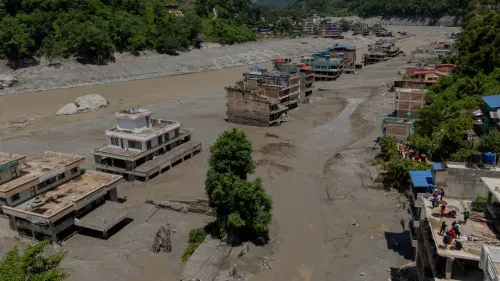
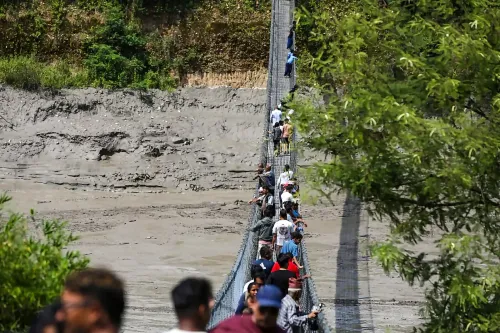
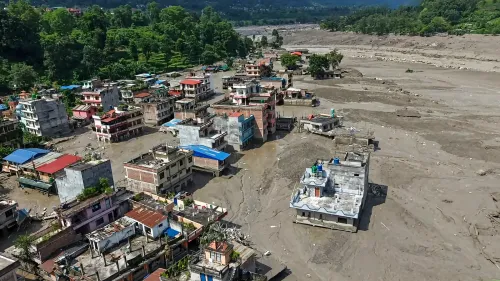
The catastrophe began on Wednesday when the lower section of a Himalayan glacier collapsed, triggering an ice-rock avalanche in the Tibetan region. The debris temporarily dammed the Bhote Koshi River before giving way, unleashing a torrent of floodwater and mud downstream. The surge swept through settlements, roads, bridges, hydropower facilities, and other critical infrastructure across several districts of Nepal, killing hundreds and displacing many others.
Scale of the Destruction
According to the latest reports, the death toll has continued to climb, with hundreds of bodies recovered from districts along the Bhote Koshi and Trishuli river systems. More than 800 people remain unaccounted for, reportedly including security personnel, tourists, and local residents. The disaster has also affected foreign nationals, with more than 100 Indian tourists initially reported missing in the affected region, though authorities have continued to verify and update those figures.
Relief and Response Operations
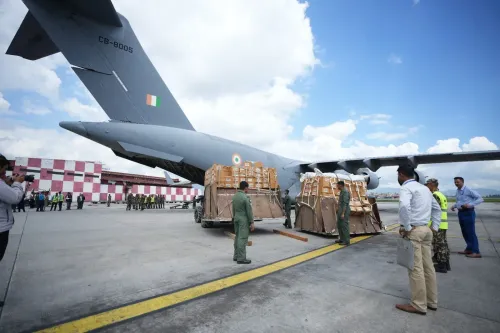
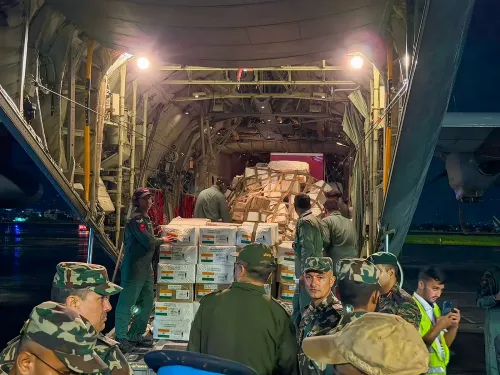
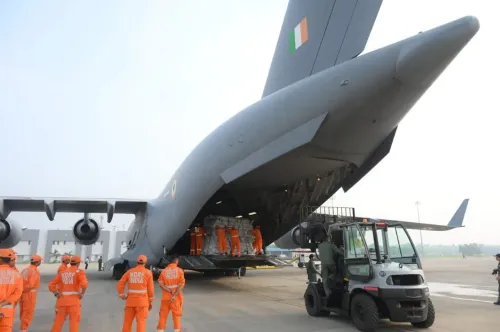
Nepalese authorities have launched search, rescue, and relief operations across the affected areas, deploying helicopters to evacuate stranded individuals and deliver essential supplies. The Nepal government has declared the worst-hit areas disaster crisis-hit zones and initiated efforts to restore damaged infrastructure. The Indian Embassy in Nepal issued emergency contact numbers to assist Indian nationals caught in the floods. India, China, and international institutions have also indicated support for rescue, relief, and reconstruction efforts.
What Comes Next
With hundreds still missing and vast stretches of infrastructure destroyed, the humanitarian challenge in the affected districts remains severe. Apple’s pledge adds to the growing international response, though the absence of a disclosed donation amount and named recipient organisations means the on-ground impact of the contribution is yet to be determined. Aid agencies and governments are expected to scale up operations as the full extent of the damage becomes clearer.
Point of View
But the absence of a disclosed amount or named recipient organisation limits its immediate accountability. Tech-sector disaster pledges have historically ranged from symbolic to substantial, and without transparency on both counts, it is difficult to assess real-world impact. The deeper story here is the disaster itself: a transboundary glacial collapse affecting Nepal, Tibet, and Indian tourists underscores how Himalayan climate risk is no longer a slow-burn concern but an acute, cross-border emergency. Corporate pledges are welcome — but they cannot substitute for the sustained international infrastructure investment this region urgently needs.
NationPress
28 Aug 2026
Frequently Asked Questions
What did Tim Cook announce about the Nepal-Tibet floods?
Apple CEO Tim Cook announced on 28 August that Apple will make a donation to support relief and rebuilding efforts following the devastating flash floods and mudslides along the Nepal-Tibet border. He expressed solidarity with those affected in a post on social media platform X, though he did not disclose the donation amount or the recipient organisations.
What caused the Nepal-Tibet flash floods?
The disaster was triggered on Wednesday when the lower section of a Himalayan glacier collapsed, setting off an ice-rock avalanche in the Tibetan region. The resulting debris temporarily blocked the Bhote Koshi River before giving way, releasing a massive surge of water and mud that devastated downstream settlements, roads, bridges, and infrastructure in several Nepali districts.
How many people are missing or dead in the Nepal floods?
According to the latest reports, hundreds of people have been killed, with bodies recovered from districts along the Bhote Koshi and Trishuli river systems. More than 800 people remain unaccounted for, reportedly including security personnel, tourists, and local residents, though authorities continue to update these figures.
Are Indian nationals affected by the Nepal floods?
Yes. More than 100 Indian tourists were initially reported missing in the affected region. The Indian Embassy in Nepal issued emergency contact numbers to assist affected Indian nationals, and authorities have been working to verify and update the figures.
What relief measures are underway in Nepal?
Nepalese authorities have deployed helicopters for evacuations and essential supply deliveries, and the Nepal government has declared the worst-hit areas disaster crisis-hit zones. India, China, and international institutions have indicated support for rescue, relief, and reconstruction, while efforts to restore damaged infrastructure are ongoing.