TRAI expands 1601-series calls to e-commerce, hospitals, more
Synopsis
Calls from your hospital, airline, food app or lender may soon come from a verified 1601 number. TRAI has opened the series to new sectors, but only firms with ₹500 crore turnover qualify, and the full migration has a 180-day deadline.
Key Takeaways
TRAI on 27 November 2026 extended the 1601-series to sectors beyond BFSI and government, for service and transactional calls only.
Newly eligible sectors include retail , e-commerce , hospitals , diagnostic labs , airlines , food and ride-hailing aggregators and lending service providers .
Businesses need an annual turnover of ₹500 crore or more in at least one of the last three financial years .
DTH, HITS, IPTV providers and MSOs need at least one million subscribers in any month of the past 12 months .
Promotional calls on 1601 numbers are prohibited .
Access Providers must complete onboarding and migration within 180 days .
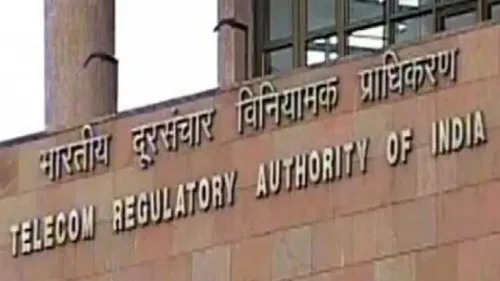
The Telecom Regulatory Authority of India (TRAI) on Friday, 27 November 2026, issued a direction extending the 1601-series of numbers to eligible entities in sectors other than banking, financial services and insurance (BFSI) and government. Businesses can use these numbers only for service and transactional voice calls to their customers. Retail chains, e-commerce firms, hospitals, airlines, food aggregators and ride-hailing platforms are among the newly eligible sectors under this second phase. The regulator says the move is meant to help consumers recognise legitimate calls and curb impersonation fraud.
Key Developments
The 1601-series is allocated by the Department of Telecommunications (DoT). According to a statement from the Ministry of Communications, entities in the second phase will be eligible for number allocation subject to specified criteria.
The newly eligible sectors include retail chains, e-commerce, hospitals, diagnostic laboratories, telecom service providers and internet service providers (ISPs).
Firms in automobile sales, automobile repair and servicing, travel agencies, commercial airlines, food aggregators, ride-hailing aggregators and lending service providers (LSPs) can also apply.
Eligibility Criteria for Businesses
Only entities with an annual turnover of ₹500 crore or more, in at least one of the preceding three financial years, will qualify, the ministry said.
Distribution Platform Operators (DPOs) have a separate test based on subscribers. This group covers Direct-to-Home (DTH), Headend-in-the-Sky (HITS) and Internet Protocol Television (IPTV) providers, as well as Multi-System Operators (MSOs). They must have had at least one million (10 lakh) subscribers in any month during the preceding 12 months.
The numbers will be assigned only to companies registered in India under the applicable law.
Building on the First Phase
This is the second phase of the 1601-series rollout. In the first phase, TRAI allowed the numbers to be allocated to utilities and to logistics and courier services.
Notably, the turnover and subscriber thresholds limit the second phase to large, established players. Smaller businesses in the same sectors do not qualify under the current criteria.
Impact on Consumers
Companies are prohibited from using 1601-series numbers for promotional voice calls. Because only verified entities receive these numbers, consumers should find it easier to tell genuine service and transactional calls apart from other calls.
The ministry described the measure as an important tool against impersonation. Fraudsters often call from normal 10-digit numbers and falsely claim to represent legitimate businesses.
For millions of mobile users, the practical rule is simple. A service call from a hospital, airline, e-commerce platform or lender should, over time, come from a recognisable 1601-prefixed number rather than an ordinary mobile number.
What Happens Next
Access Providers have been directed to complete onboarding and migration of all eligible entities within 180 days from the date the direction was issued. That puts the deadline in the second half of 2027.
How quickly eligible businesses move to the series, and whether consumers learn to trust the prefix, will decide how much the measure helps against telecom impersonation fraud.
Point of View
But they only work if consumers learn to trust them. The ₹500 crore turnover threshold keeps the series limited to large companies, so smaller lenders, clinics and travel agents may still call from ordinary 10-digit numbers, which fraudsters can exploit. The 180-day migration window is also long, and enforcement against misuse will matter as much as allocation. Without a strong public awareness push, the 1601 prefix may stay a regulatory detail that most phone users never notice.
NationPress
27 Nov 2026
Frequently Asked Questions
What is the 1601-series for voice calls?
The 1601-series is a set of numbers allocated by the DoT to verified entities for service and transactional voice calls to customers. It helps consumers identify legitimate calls and is not allowed for promotional calls.
Which sectors are covered under the second phase of the 1601-series?
The second phase covers retail chains, e-commerce, hospitals, diagnostic labs, telecom and internet service providers, automobile sales and servicing, travel agencies, airlines, food and ride-hailing aggregators, and lending service providers. DTH, HITS, IPTV providers and MSOs are also eligible if they meet subscriber criteria.
Who is eligible to get a 1601-series number?
Companies registered in India with an annual turnover of ₹500 crore or more in at least one of the preceding three financial years are eligible. Distribution platform operators need at least one million subscribers in any month during the preceding 12 months.
When will companies start using 1601-series numbers?
Access Providers must complete onboarding and migration of all eligible entities within 180 days from the date of TRAI's direction, issued on 27 November 2026.
How does the 1601-series help prevent fraud calls?
Only verified entities receive 1601 numbers, so consumers can more easily tell genuine service calls apart from fraudulent ones. Fraudsters often use normal 10-digit numbers to impersonate legitimate businesses.