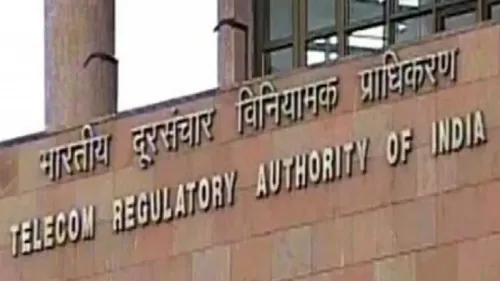
TRAI mandates 1601-series numbers for utility, logistics service calls
Synopsis
TRAI has ordered telecom operators to assign dedicated 1601-series numbers to utility companies and logistics firms for service calls — a move that gives consumers a clear way to spot genuine calls and hang up on fraudsters. With a 90-day onboarding deadline and a strict ban on promotional use, this is the most concrete anti-impersonation step in India's telecom sector since the BFSI 1600-series rollout.
Key Takeaways
TRAI on 10 August directed telecom operators to onboard non-financial entities onto the 1601-series numbering framework for service and transactional voice calls.
Phase-I covers the utilities sector (electricity, water, city gas, LPG distributors) and the logistics and courier sector .
Telecom service providers have 90 days from the order date to complete migration and onboarding of eligible entities.
1601-series numbers will be allocated directly to entities — not intermediaries — after verification by telecom operators.
The numbers cannot be used for promotional calls ; use is restricted strictly to service and transactional communication.
The move builds on the operational experience of the 1600-series framework already used by BFSI entities and government organisations.
The Telecom Regulatory Authority of India (TRAI) on Monday, 10 August directed telecom operators to begin onboarding entities from select non-financial sectors onto the new 1601-series numbering framework for transactional and service voice calls. The move extends a trusted-numbering system already operational in the banking, financial services and insurance (BFSI) sector, and is aimed at helping consumers distinguish genuine service calls from fraudulent ones made via regular 10-digit mobile numbers.
What the 1601-Series Framework Does
Under the new directive, entities making legitimate transactional or service calls will be required to use 1601-series numbers instead of standard mobile numbers. This distinct numbering identity is designed to make impersonation and fraud significantly harder. Crucially, TRAI has clarified that the 1601-series numbers cannot be used for promotional voice calls by any entity — restricting their use strictly to service and transactional communication.
The Department of Telecommunications (DoT) has formally allocated the 1601-series for this purpose, and telecom service providers (TSPs) have been directed to complete migration and onboarding of all eligible Phase-I entities within 90 days of the order.
Sectors Covered in Phase-I
The first phase of implementation covers two broad sectors. The utilities sector includes electricity distribution companies, water utilities, city gas distribution companies, LPG distributors, and other utility service providers. The logistics and courier sector — covering courier companies, express logistics firms, parcel delivery service providers, and freight operators involved in consignment delivery — has also been brought under Phase-I.
Notably, 1601-series numbers will be allocated directly to eligible entities rather than through intermediaries or aggregators, following verification by telecom operators. This direct-allocation model is intended to prevent misuse of the framework by third parties.
Building on BFSI Experience
TRAI noted that the widespread adoption of the 1600-series numbers by BFSI entities and government organisations has provided valuable operational experience for this expansion. The 1600-series has been in use for financial and government service calls, and the regulator said that learnings from that rollout informed the design of the 1601-series framework for other sectors.
This is part of a broader regulatory push to clean up India's voice-call ecosystem, which has seen a surge in fraud calls impersonating utility companies, delivery agents, and financial institutions — categories that directly affect everyday consumers.
What This Means for Consumers
For the average mobile user, the change means that a call from an electricity board, gas distributor, or courier company will eventually arrive from a recognisable 1601-series number rather than an unknown 10-digit mobile number. Calls from unknown mobile numbers claiming to be from these entities can then be treated with greater scepticism.
According to TRAI, 'The distinct numbering identity will enable the consumers to easily identify legitimate service and transactional calls, thereby strengthening trust in such voice-based communications.' The regulator's directive marks a significant step toward a more structured and fraud-resistant telecommunications environment in India.
What Comes Next
With Phase-I covering utilities and logistics, further phases are expected to bring additional non-financial sectors into the 1601-series fold. Telecom operators now have a 90-day window to complete onboarding, making the framework operational for consumers likely by late 2025. Industry stakeholders will be watching whether the direct-allocation model and the ban on promotional use are enforced consistently.
Point of View
But its real test lies in enforcement speed and consumer awareness. The BFSI 1600-series rollout took years to reach meaningful recognition among ordinary users — the regulator must pair this directive with a public education push or risk the new numbers being dismissed as just another unknown caller. The direct-allocation model, bypassing aggregators, is the right call to prevent the framework from being gamed. But a 90-day onboarding window for an entire utilities and logistics ecosystem is ambitious; slippage there could delay consumer-facing benefits well into 2026. The deeper issue — that India's voice-call fraud problem is structural, not just numerical — will require this framework to scale rapidly to all sectors, not just the two covered in Phase-I.
NationPress
24 Sept 2026
Frequently Asked Questions
What is the TRAI 1601-series numbering framework?
The 1601-series is a dedicated numbering range mandated by TRAI for transactional and service voice calls made by non-financial entities such as utility companies and logistics firms. It allows consumers to identify genuine service calls and distinguish them from fraudulent ones made via regular 10-digit mobile numbers.
Which sectors are covered under Phase-I of the 1601-series rollout?
Phase-I covers the utilities sector — including electricity distribution companies, water utilities, city gas distribution companies, and LPG distributors — and the logistics and courier sector, which includes courier companies, express logistics firms, parcel delivery providers, and freight operators.
How is the 1601-series different from the existing 1600-series?
The 1600-series is used by BFSI entities and government organisations for service calls and has been operational for some time. The 1601-series extends the same trusted-numbering concept to non-financial sectors, starting with utilities and logistics, based on learnings from the 1600-series rollout.
Can 1601-series numbers be used for promotional calls?
No. TRAI has explicitly clarified that 1601-series numbers cannot be used for promotional voice calls by any entity. Their use is strictly limited to transactional and service communications.
When will the 1601-series framework be operational for consumers?
Telecom service providers have been given 90 days from the date of the TRAI order to complete migration and onboarding of eligible Phase-I entities. This means the framework could be consumer-facing by late 2025, subject to timely compliance by operators.