TRAI tells Truecaller: Stop tagging 1600 series calls as 'frequently blocked'
Synopsis
TRAI has told Truecaller to stop labelling regulated 1600 and 140 series calls as 'frequently blocked', warning the badge misleads consumers and could cause them to ignore critical banking alerts and government messages. The standoff exposes a deeper tension: the more TRAI restricts community spam-reporting on dedicated series, the less users trust those very calls.
Key Takeaways
TRAI has objected to Truecaller 's 'frequently blocked' badge on calls from the 140 and 1600 number series.
The 1600 series is reserved for regulated BFSI entities — supervised by RBI , SEBI , IRDAI , and PFRDA — and for government-to-citizen communications.
The 140 series is designated for promotional calls by registered entities across sectors.
TRAI wants Truecaller to redirect users to its official DND app instead of applying spam labels.
Truecaller argues spam calls have risen since TRAI restricted community-reported spam information for these series.
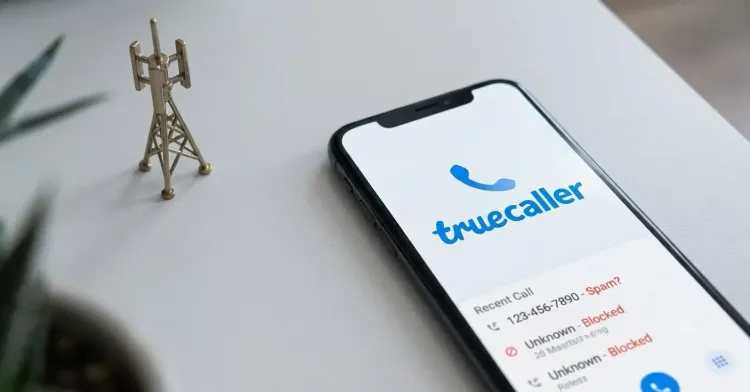
The Telecom Regulatory Authority of India (TRAI) has formally objected to Truecaller's practice of displaying a 'frequently blocked' badge on calls originating from the dedicated 140 and 1600 number series, warning that such labels mislead telecom consumers and cast unwarranted suspicion on legitimate commercial and government communications.
What TRAI Has Said
A senior TRAI official stated that tagging regulated number series with labels such as 'frequently blocked' is inadvisable, as it can confuse users and erode confidence in calls made under the regulator's prescribed framework. The official urged Truecaller to instead display a message directing users to TRAI's official Do Not Disturb (DND) preference management application, where they can choose to block unwanted promotional communications from the 140 series on their own terms.
According to the regulator, broader public awareness of the DND framework would be a more effective and structured solution than applying blanket labels to individual number series.
Why the 1600 and 140 Series Matter
TRAI has designated the 1600 series exclusively for service and transactional calls by regulated banking, financial services and insurance (BFSI) entities — including those supervised by the Reserve Bank of India (RBI), the Securities and Exchange Board of India (SEBI), the Insurance Regulatory and Development Authority of India (IRDAI), and the Pension Fund Regulatory and Development Authority (PFRDA). The series is also used for government-to-citizen communications.
The 140 series, by contrast, has been earmarked for promotional calls from registered entities across sectors. The senior official cautioned that under no circumstances should 1600 series numbers be tagged in a way that discourages consumers from answering, given that such calls may include critical fraud alerts, transaction verifications, banking notifications, and government advisories.
The Dispute with Truecaller
Truecaller has pushed back, arguing that spam calls have actually increased since TRAI mandated the use of dedicated number series while simultaneously restricting caller-identification apps from displaying community-reported spam information for those numbers. The company contends that many users have begun ignoring or blocking calls from these series altogether, which in turn reduces trust in genuine business communications.
This represents an ongoing disagreement between the two sides over how best to balance consumer protection with the integrity of regulated communication channels.
What Happens Next
The regulator's position effectively calls on Truecaller to revise its labelling approach for the 140 and 1600 series, redirecting users toward the DND app rather than community-driven spam tags. Whether Truecaller will comply — or contest the directive — is likely to shape the next phase of India's caller-ID regulation debate. With crores of Indians relying on the app daily, the outcome will have direct implications for how BFSI alerts and government messages reach citizens.
Point of View
TRAI has left users with no reliable signal to distinguish a genuine bank alert from a spoofed one. Truecaller's badge is a symptom of that trust deficit, not its cause. Pointing users to the DND app solves a preference problem, not a verification problem. Until TRAI builds a real-time, publicly accessible whitelist of verified 1600 senders, the 'frequently blocked' label will keep appearing — because users have no better tool.
NationPress
18 Oct 2026
Frequently Asked Questions
Why has TRAI objected to Truecaller's 'frequently blocked' label?
TRAI says the label misleads consumers by casting suspicion on calls from the regulated 1600 and 140 number series, which are reserved for verified BFSI entities and promotional communications respectively. The regulator argues the badge could cause users to miss critical banking alerts or government messages.
What is the 1600 number series used for?
The 1600 series is designated exclusively for service and transactional calls from regulated banking, financial services, and insurance entities — those supervised by RBI, SEBI, IRDAI, and PFRDA — as well as for government-to-citizen communications.
What is the 140 number series used for?
The 140 series has been earmarked by TRAI for promotional calls made by registered commercial entities across various sectors in India.
What does TRAI want Truecaller to do instead?
TRAI wants Truecaller to display a message directing users to its official Do Not Disturb (DND) preference management app, where consumers can choose to block unwanted promotional calls from the 140 series in a structured manner, rather than relying on community-generated spam labels.
What is Truecaller's argument in this dispute?
Truecaller contends that spam calls have increased since TRAI mandated the dedicated number series and restricted caller-ID apps from showing community-reported spam data for those numbers. The company says many users now ignore or block calls from these series, reducing trust in genuine business communications.