Should Tripura CM Saha Ask FM Sitharaman to Raise Loan Cap for Externally Aided Projects?
Synopsis
On October 13, Tripura CM Manik Saha urged FM Nirmala Sitharaman to increase the loan cap for Externally Aided Projects, highlighting the need for ambitious state initiatives. This meeting could pave the way for crucial developments in Tripura's urban and environmental sectors.
Key Takeaways
Increasing EAP loan cap can facilitate vital state projects.
Current ceiling restrictions are hindering development.
Funding from Japan and Germany supports ongoing initiatives.
The World Bank's ELEMENT project aims to improve community livelihoods.
Job creation for youth and women is a focus of new initiatives.
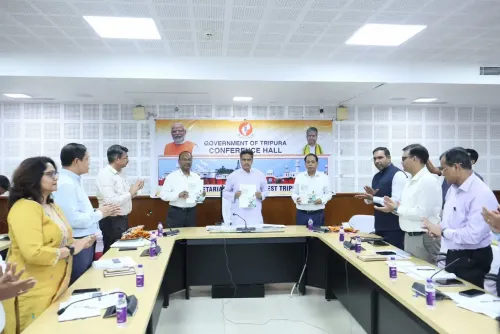
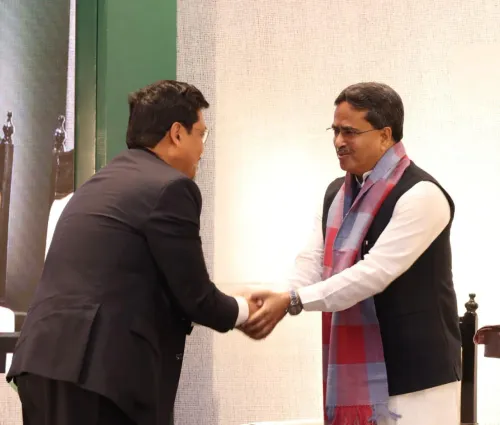
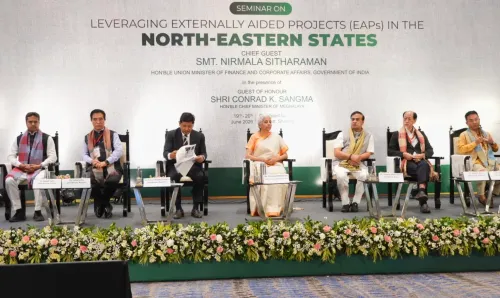
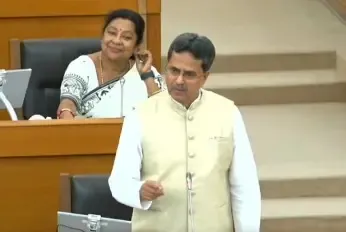
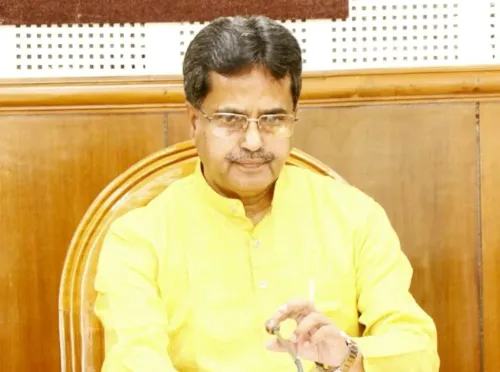
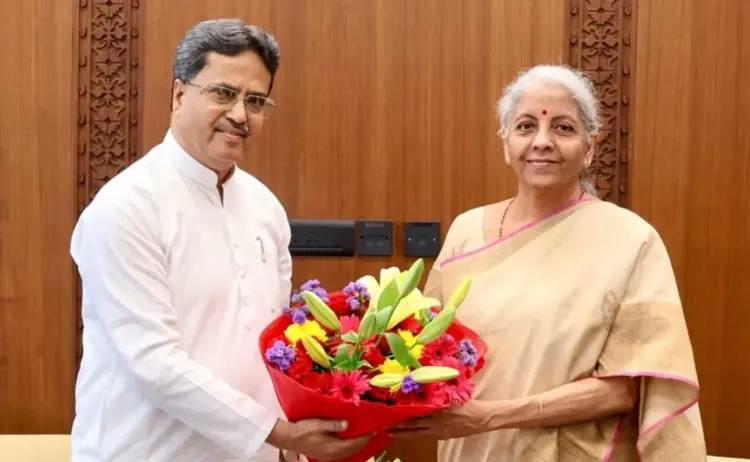
New Delhi/Agartala, Oct 13 (NationPress) Tripura's Chief Minister Manik Saha met with Union Finance Minister Nirmala Sitharaman in New Delhi, where he urged her to raise the limit on loan amounts for Externally Aided Projects (EAPs) to facilitate numerous ambitious initiatives within the state, as reported by an official.
An official from the Chief Minister’s Office (CMO) stated that during their discussion, the Chief Minister emphasized the importance of increasing the ceiling for Externally Aided Projects (EAPs).
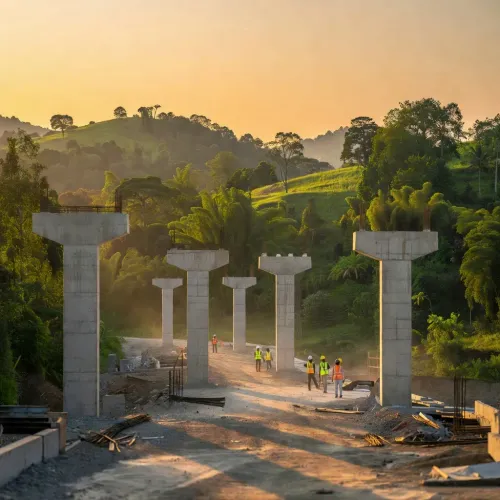
He pointed out that several vital projects under the Urban Development Department, Tourism Department, and Agartala Municipal Corporation are currently stalled due to the existing ceiling restrictions on EAPs, according to the official.
Saha also requested that the Union Finance Minister consider allocating additional funds to help bridge the Dearness Allowance (DA) disparity between the state and Central government employees.
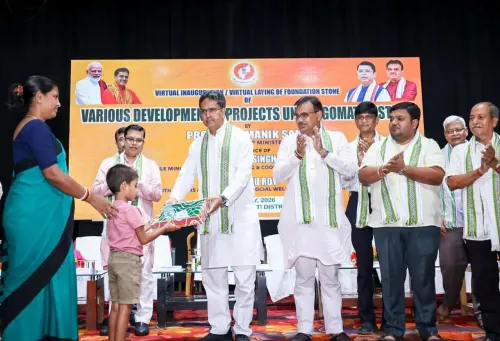
Previously, during an official event in Agartala, the Chief Minister expressed his appeals to the Centre to abolish the loan cap for EAPs, enabling the state to undertake numerous ambitious projects.
“Other states do not face such a cap. However, due to numerous ongoing development initiatives, we encounter challenges because of this limit,” he stated.
In related news, Tripura's Forest and Environment Minister Animesh Debbarma announced that the state government is actively executing three EAPs aimed at forest conservation and supporting the livelihoods of forest communities.
Among these three projects, one is financed by the Government of Japan via the Japan International Cooperation Agency (JICA) as a soft loan.
Another is a grant from the Federal Republic of Germany through KFW, and the third is a substantial World Bank-funded project worth Rs 1,764.94 crore. This World Bank initiative, known as the Enhancing Landscape and Ecosystem Management (ELEMENT) Project, focuses on forest management, community development, and improving livelihoods in the state.
The project also aims to create employment opportunities for youth and women through the promotion of forest-based entrepreneurship, as stated by Minister Debbarma.
Point of View
The request by Tripura's CM for increased funding reflects the urgent need for enhanced financial support for state-level projects. As the nation strives for balanced development, it's imperative that regions like Tripura receive the necessary resources to fulfill their ambitious goals, ensuring that no state is left behind.
NationPress
10 Oct 2026
Frequently Asked Questions
What are Externally Aided Projects (EAPs)?
Externally Aided Projects (EAPs) are development initiatives funded by international organizations or foreign governments, aimed at improving infrastructure, environment, and livelihoods in the states.
Why does Tripura need to increase the loan cap for EAPs?
Increasing the loan cap for EAPs will allow Tripura to undertake many critical and ambitious projects that are currently stalled due to financial restrictions.
What projects are currently impacted by the loan cap?
Several vital projects under the Urban Development Department, Tourism Department, and Agartala Municipal Corporation are affected by the current loan cap.
What is the ELEMENT project funded by the World Bank?
The ELEMENT project, funded by the World Bank with Rs 1,764.94 crore, focuses on enhancing forest management, community development, and improving livelihoods in Tripura.
How can increased funding benefit Tripura?
Increased funding can facilitate job creation, improve infrastructure, and enhance the overall quality of life for residents, addressing urgent development needs.