US-Iran Conflict: Opportunities for Upstream Energy and Defence Sectors Amid Rising Oil Prices
Synopsis
As crude oil prices surge due to the US-Iran conflict, upstream energy companies and select refineries stand to gain significantly. However, industries reliant on oil face mounting challenges. Discover the potential investment strategies and sectoral shifts in this insightful report.
Key Takeaways
Upstream oil exploration companies are likely to benefit from rising crude prices.
Oil-sensitive sectors like aviation may face significant challenges.
Investors should consider defense and infrastructure for potential growth.
Every $1 increase in oil prices adds $1.5-2 billion to India’s import bill.
India has historically managed oil shocks effectively.
New Delhi, March 9 (NationPress) The ongoing conflict between the US and Iran is poised to trigger a significant increase in crude oil prices, which could prove advantageous for upstream oil exploration companies, energy infrastructure firms, and certain refineries. However, oil-sensitive industries—including aviation, paints, tyres, chemicals, and logistics—are expected to face considerable pressure, according to a recent report released on Monday.
The research from Axis Securities further suggests that investors should consider maintaining overweight positions in defense and infrastructure sectors while keeping their investments in less oil-sensitive areas, such as banking, IT services, and healthcare, steady.
“Crude price fluctuations should not solely be seen as a threat for investors; they can also present unique sectoral opportunities and facilitate strategic portfolio adjustments that align with broader macroeconomic trends,” the brokerage noted.
The aviation sector is particularly vulnerable to changes in oil prices, given that fuel constitutes approximately 30–40% of operational expenses. The report also highlights that inflation in petroleum-based raw materials will negatively impact profit margins across sectors like paints, chemicals, and plastics.
Transportation and logistics firms are grappling with the effects of soaring diesel prices, which lead to increased freight costs and tighter margins. Similarly, cement manufacturers are experiencing strain due to escalating energy prices, as their operations heavily depend on fuels like pet coke, according to the firm's projections.
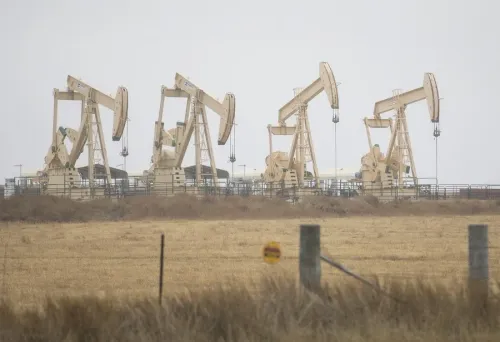
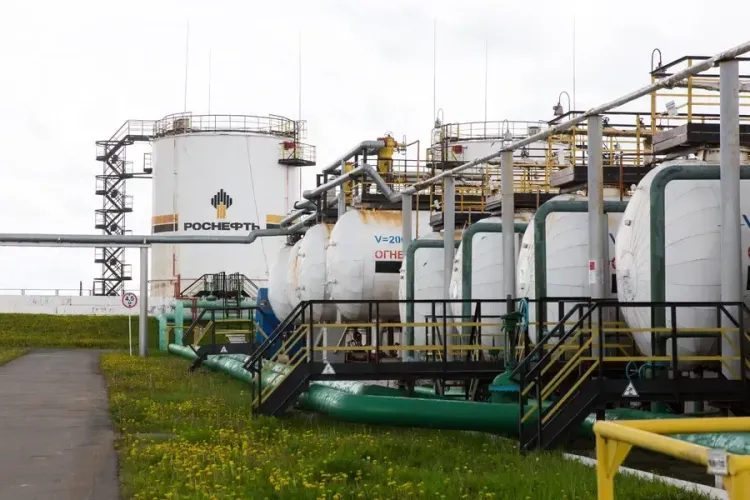
The impact on oil marketing companies will largely hinge on government pricing strategies, while upstream producers like ONGC and Oil India stand to gain directly from elevated crude prices through enhanced revenue per barrel.
A prolonged surge in crude oil prices influences a variety of macroeconomic factors, including inflation, interest rates, currency fluctuations, the current account deficit, and overall corporate profitability, as the report cautions.
For every $1 increase in crude oil prices, India's annual import bill could rise by around $1.5–2 billion. Moreover, a $10 surge in oil prices could potentially widen the current account deficit by approximately 0.35–0.5% of GDP, while a 10% hike in crude prices might elevate inflation by nearly 20 basis points, the report indicated.
Nevertheless, the firm reassured that “India has consistently navigated oil shocks through effective policy measures and diversification of supply.”
Point of View
The rising crude oil prices due to the US-Iran conflict present both challenges and opportunities. While certain sectors may suffer, strategic investments in less oil-sensitive industries could yield positive returns. It's essential to maintain a balanced portfolio amidst these fluctuations to ensure resilience in the face of macroeconomic changes.
NationPress
24 Sept 2026
Frequently Asked Questions
How does the US-Iran war affect crude oil prices?
The conflict is expected to lead to a sustained increase in crude oil prices, benefiting upstream oil exploration companies and select refineries.
Which sectors are most impacted by rising oil prices?
Sectors like aviation, paints, tyres, chemicals, and logistics are likely to face significant pressure due to higher oil prices.
What investment strategies should be considered during oil price volatility?
Investors are advised to explore overweight positions in defense and infrastructure sectors while maintaining investments in less oil-sensitive sectors.
What is the potential economic impact of rising crude oil prices on India?
Every $1 increase in crude oil prices can raise India's annual import bill by approximately $1.5–2 billion, impacting inflation and the current account deficit.
How has India historically managed oil shocks?
India has effectively navigated oil shocks through strategic policy measures and diversification of supply.