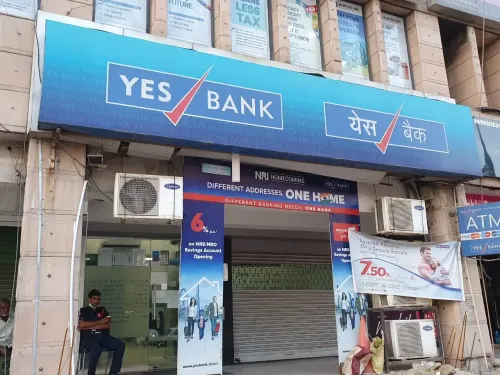
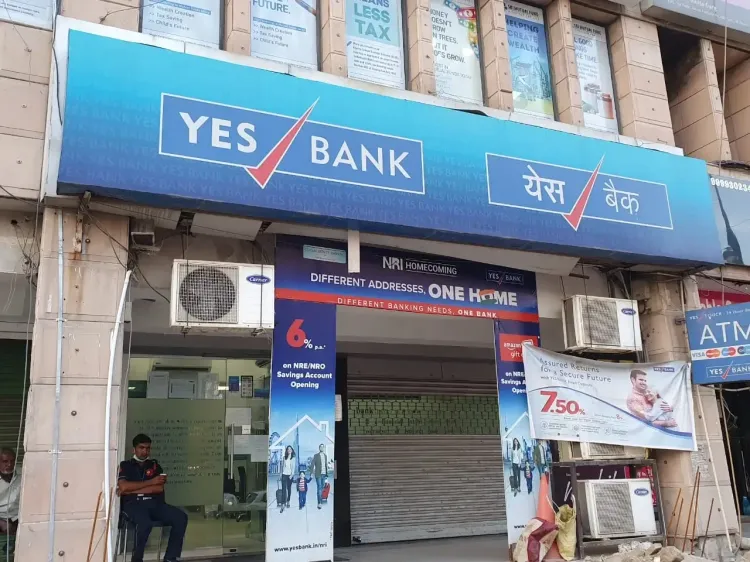
Yes Bank rejects wilful disobedience charge on ₹8,415 crore AT-1 bond delay
Synopsis
Yes Bank is resisting contempt proceedings over its delay in reinstating ₹8,415 crore in AT-1 bonds, rejecting Axis Trustee Services' charge of wilful disobedience. With the Supreme Court having upheld the Bombay High Court's write-off quashing on 15 October 2026, and a three-day restoration deadline having passed, the case could set a landmark precedent on AT-1 bondholder rights in Indian banking restructurings.
Key Takeaways
Yes Bank rejected allegations of wilful disobedience from Axis Trustee Services over the delayed reinstatement of ₹8,415 crore in AT-1 bonds.
The Supreme Court on 15 October 2026 dismissed Yes Bank's appeals and upheld the Bombay High Court's January 2023 ruling quashing the bond write-off.
Axis Trustee Services issued a three-day deadline on 28 October 2026 for bond restoration, warning of contempt proceedings for non-compliance.
The AT-1 bonds were originally written off in March 2020 as part of Yes Bank's reconstruction process.
In a separate filing on 24 October 2026 , Yes Bank said it retains discretion over coupon payments under the AT-1 bond terms.
Yes Bank has formally rejected allegations of wilful disobedience levelled by Axis Trustee Services over its delay in reinstating Additional Tier-1 (AT-1) bonds worth ₹8,415 crore, following the Supreme Court's ruling that set aside the write-off of those bonds. The bank's rejection, filed via a stock exchange disclosure on 1 November 2026, comes as it faces the prospect of contempt proceedings if it does not act swiftly.
Background: The AT-1 Bond Write-Off
The dispute traces back to March 2020, when Yes Bank's administrator wrote off ₹8,415 crore worth of AT-1 bonds as part of the lender's reconstruction process. Axis Trustee Services, acting on behalf of bondholders, challenged the write-off before the Bombay High Court, which quashed the decision in January 2023.
Yes Bank, the Reserve Bank of India (RBI), and the Union government subsequently appealed the High Court's ruling before the Supreme Court. On 15 October 2026, the Supreme Court dismissed those appeals and upheld the Bombay High Court's judgment, effectively directing the reinstatement of the written-off bonds.
Contempt Warning and the Three-Day Deadline
Following the apex court verdict, Axis Trustee Services wrote to Yes Bank on 28 October 2026, demanding restoration of the bonds and completion of all necessary corporate actions within three days. The trustee warned it would initiate contempt proceedings if the bank failed to comply within that window.
In response, Yes Bank stated it did not accept the characterisation of its conduct as wilful disobedience. The bank said its examination of the matter was directed toward ensuring full compliance with the Supreme Court's judgment, not defying it.
'The Bank does not accept the characterisation in your Letter of its conduct as wilful disobedience… The Bank's examination of these matters and evaluation of the consequences is towards compliance with the SC Judgment,' Yes Bank said in its communication to Axis Trustee Services.
Coupon Payment Discretion: A Separate Disclosure
In a separate stock exchange filing dated 24 October 2026 — before the contempt warning was issued — Yes Bank had stated that under the terms governing the AT-1 bonds, it retained discretion over coupon payment decisions. This disclosure has added a layer of complexity to the compliance debate, with bondholders watching closely whether the bank will exercise that discretion in their favour once the bonds are reinstated.
What Happens Next
The key question now is whether Axis Trustee Services will follow through on its contempt threat. Any formal contempt petition would go before the Supreme Court, which could order Yes Bank to restore the bonds on an expedited timeline and potentially impose penalties for non-compliance. Industry observers note this case carries broader implications for the treatment of AT-1 bondholders in future bank restructurings. A clear precedent from the Supreme Court on enforcement timelines could reshape how regulators and banks approach similar instruments in distress scenarios going forward.
Point of View
Which is exactly the grey zone that contempt law is designed to eliminate. The Supreme Court's dismissal of the bank's appeals was unambiguous; what is being tested now is whether a regulated financial institution can delay court-mandated action by citing process complexity. The RBI's role here deserves scrutiny: as a co-appellant that lost, it has regulatory oversight over Yes Bank and could accelerate compliance if it chose to. The broader lesson for India's AT-1 bond market is stark — if reinstatement after a Supreme Court order takes this long, the instrument's credibility as a loss-absorbing but legally protected security is fundamentally in question.
NationPress
1 Nov 2026
Frequently Asked Questions
What are the AT-1 bonds at the centre of the Yes Bank dispute?
Additional Tier-1 (AT-1) bonds are perpetual debt instruments issued by banks to meet regulatory capital requirements. In March 2020, Yes Bank's administrator wrote off ₹8,415 crore worth of these bonds as part of the bank's reconstruction process, a decision that has since been overturned by both the Bombay High Court and the Supreme Court.
What did the Supreme Court rule on Yes Bank's AT-1 bonds?
On 15 October 2026, the Supreme Court dismissed appeals filed by Yes Bank, the RBI, and the Union government, upholding the Bombay High Court's January 2023 ruling that quashed the write-off of the AT-1 bonds. The ruling effectively directed that the bonds be reinstated.
Why is Yes Bank facing contempt proceedings?
Axis Trustee Services, acting for bondholders, wrote to Yes Bank on 28 October 2026 demanding restoration of the bonds within three days of the Supreme Court verdict. When the bank did not comply within that window, the trustee warned it would initiate contempt proceedings for non-compliance with the apex court's order.
What is Yes Bank's defence against the wilful disobedience charge?
Yes Bank has stated in a stock exchange filing that it does not accept the characterisation of its conduct as wilful disobedience, arguing that its review of the matter is aimed at ensuring proper compliance with the Supreme Court judgment — not defying it.
What are the broader implications of this case for AT-1 bondholders in India?
The case could set a landmark precedent on how quickly banks must reinstate written-off AT-1 bonds following a court order. A clear Supreme Court ruling on enforcement timelines may reshape how regulators and banks handle AT-1 instruments in future bank restructuring scenarios, affecting investor confidence in this class of securities.