Ashley Judd Reflects: Is the Portrayal of Women in ‘Heat’ Acceptable?
Click to start listening
Synopsis
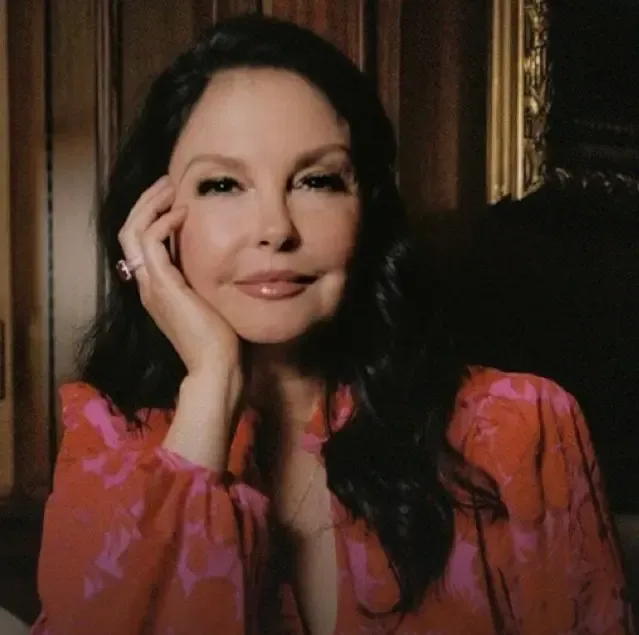
In a recent interview, Ashley Judd revisits her role in the 1995 film ‘Heat’ and critiques the portrayal of women in the movie, highlighting the importance of understanding internalized misogyny. Join us as we explore her reflections on representation in cinema and the impact of storytelling on societal views.
Key Takeaways
- Ashley Judd critiques female representation in 'Heat.'
- Internalized misogyny is highlighted in her reflections.
- Judd emphasizes the importance of authentic storytelling.
- She acknowledges the film's iconic status despite its flaws.
- Judd urges for a critical dialogue on gender portrayal in cinema.
Los Angeles, Jan 2 (NationPress) Actress Ashley Judd recently reflected on her 1995 crime drama film “Heat”, discussing the portrayal of its female characters. She mentioned that she and her partner have been revisiting her filmography.
In an interview with Vulture, she stated: “The depiction of women in this movie is not okay,” critiquing the 1995 thriller.
Now 57, Judd views her roles from a different perspective, particularly concerning how women are represented and the implications of internalized misogyny, as reported by people.com.
She remarked, “Today, when people say, ‘Kiss the Girls is my favorite movie,’ I’m like, ‘Let’s talk about that,’ because male sexual violence and male torture of women is not entertainment, and that’s what that movie is about.”
She emphasized that labeling it ‘resilience’ overlooks the structural inequalities contributing to the harm, stating, “We’re all implicated in that.”
Despite its shortcomings, Judd expressed her enjoyment in being part of “Heat,” which features renowned actors like Al Pacino, Robert De Niro, Tom Sizemore, Jon Voight, and Val Kilmer.
She added, “I’m glad, still, that I was a part of this movie, and I do think it’s iconic.”
According to Judd, the film reflects reality, which can be problematic. “To say the movie is problematic is not to shift the focus from the reality it reflects,” she noted. “Observation and critique is what I’m offering.”
In “Heat,” Judd portrayed Charlene Shiherlis, married to Chris Shiherlis, played by Val Kilmer. She characterized their doomed relationship as a “Romeo and Juliet, but the reverse, right?”
Near the film's conclusion, the characters silently bid farewell as Charlene chooses not to betray Chris.
Judd reflected, “I’m giving him freedom. I distanced ourselves from each other for this scene.” She elaborated on her interaction with Kilmer, who passed away in April 2025, saying, “Once Val and I finished the other scenes, we didn’t connect again, which may have contributed to the feeling of finality and longing.”
Since the acclaimed film, Judd has appeared in various projects, including Frida, Divergent, and Double Jeopardy.
Point of View
Urging audiences to reassess long-held views on representation. Her insights resonate deeply in today’s cultural context, highlighting the ongoing need for constructive dialogue about gender representation in film. This commentary echoes the responsibility of filmmakers to portray characters with depth and authenticity.
NationPress
03/01/2026
Frequently Asked Questions
What did Ashley Judd say about the film ‘Heat’?
Ashley Judd critiqued the depiction of women in the film, stating that it is not acceptable and reflects internalized misogyny.
How does Judd perceive her past roles now?
Judd views her past roles through a lens that emphasizes the importance of accurate representation of women and the societal implications of those portrayals.
What notable actors starred alongside Ashley Judd in ‘Heat’?
The film features a star-studded cast including Al Pacino, Robert De Niro, Tom Sizemore, Jon Voight, and Val Kilmer.
What is the central theme of Judd's critique?
The central theme is the need to address the portrayal of women in media and the responsibility of filmmakers to depict characters with authenticity.
What is the significance of Judd’s reflections?
Judd’s reflections are significant as they challenge audiences to reconsider the impact of film on societal views of gender and representation.