Bombay HC lets Preity Zinta sue platforms over AI personality rights
Synopsis
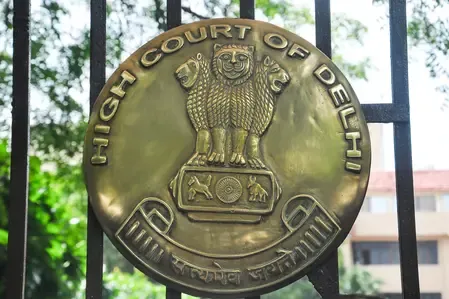
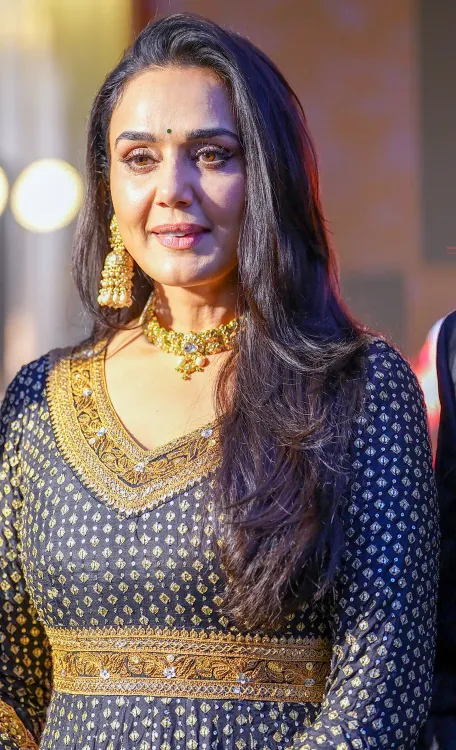
The Bombay High Court has cleared Preity Zinta to sue Meta, Google, and other platforms for circulating AI-generated content in her likeness — the latest in a growing line of Indian celebrity cases that are quietly reshaping how courts treat digital identity, personality rights, and AI misuse in the absence of dedicated legislation.
Key Takeaways
Preity Zinta received Bombay High Court permission on 18 June to file an injunction suit against platforms including Meta and Google .
The plea alleges violation of her personality rights , copyright , and moral rights under the Copyright Act, 1957 .
Justice Abhay Ahuja granted patent permission, allowing the court to hear the case despite some respondents having offices outside Mumbai .
At least 11 other Bollywood actors — including Amitabh Bachchan , Anil Kapoor , and Jackie Shroff — have previously secured similar court protections.
Zinta's film 'Batwara 1947' , directed by Rajkumar Santoshi with music by A.
Rahman , is set for release on 14 August 2026 .
Actress Preity Zinta has secured a significant legal victory at the Bombay High Court, which on 18 June granted her permission to file an injunction suit against online platforms including Meta and Google for allegedly creating, uploading, and circulating AI-generated content in her likeness — violating her personality rights, copyright, and moral rights under the Copyright Act, 1957.
What the Court Ruled
A single-judge bench of Justice Abhay Ahuja allowed Zinta's plea seeking patent permission to sue, conferring jurisdiction on the court to hear, examine, and dispose of the suit. The bench acknowledged that because the alleged infringing activities were conducted on online platforms — many of whose respondent offices are located outside Mumbai — portions of the trial technically fell beyond the court's ordinary territorial jurisdiction. Granting patent permission resolved that procedural hurdle.
Zinta's petition alleged that the platforms had caused substantial damage to her reputation by disseminating AI-fabricated content without her consent, amounting to a violation of both her publicity rights and her moral rights as a creative individual under Indian copyright law.
A Growing Wave of Celebrity Personality Rights Cases
Zinta's case is the latest in a rapidly expanding line of Indian celebrity litigation targeting AI misuse. Actors including Amitabh Bachchan, Anil Kapoor, Jackie Shroff, Arjun Kapoor, Varun Dhawan, Aishwarya Rai Bachchan, Abhishek Bachchan, Salman Khan, R. Madhavan, Hrithik Roshan, and Vivek Oberoi have previously obtained court protection or injunctions enforcing personality and publicity rights.
The earliest landmark victories — by Bachchan, Kapoor, and Shroff — are widely credited with establishing judicial recognition of celebrity personality rights in India, laying the doctrinal groundwork that subsequent petitioners, including Zinta, now rely upon. This is the latest in a series of such cases that critics argue signals an urgent need for dedicated legislation governing AI-generated likenesses.
Why This Case Matters
The proliferation of AI tools capable of generating hyper-realistic audio, video, and images has made it easier than ever to fabricate celebrity content and spread disinformation at scale. Indian courts have so far addressed these disputes through a patchwork of copyright law, tort principles, and ad hoc injunctions — without a unified statutory framework specifically governing AI-generated personality violations.
Notably, the Bombay High Court's willingness to extend jurisdiction over platforms headquartered outside Mumbai signals a judicial intent to ensure that digital-first infringement does not escape accountability on technical geographic grounds.
Preity Zinta's Upcoming Film
On the professional front, Zinta is set to return to the big screen in 'Batwara 1947', directed by National Award-winning filmmaker Rajkumar Santoshi. The film reunites Santoshi with Sunny Deol for the first time in nearly three decades, following their earlier collaborations on 'Ghayal', 'Damini', and 'Ghatak'. The ensemble cast also includes Shabana Azmi, Karan Deol, Ali Fazal, and Abhimanyu Singh.
Produced by Aamir Khan and Aparna Purohit under Aamir Khan Productions, the film features music by A. R. Rahman and lyrics by Javed Akhtar. 'Batwara 1947' is expected to release on 14 August 2026 — Partition Day — adding historical resonance to its subject matter.
What Happens Next
With the Bombay High Court's green light, Zinta can now formally file the injunction suit against the named platforms. The case is expected to further sharpen India's evolving jurisprudence on AI and personality rights — and could accelerate calls for Parliament to legislate specific protections in this space.
Point of View
1957 was never drafted with deepfakes in mind, and each new celebrity injunction — however welcome — is a sticking plaster, not a cure. The real question is why Parliament has yet to legislate specific protections for AI-generated likenesses, given that India's film industry is among the world's largest and most exposed. Courts granting jurisdiction over foreign-headquartered platforms is a meaningful signal, but without statutory teeth, enforcement against global platforms will remain an uphill battle.
NationPress
19 Sept 2026
Frequently Asked Questions
What is Preity Zinta's case against Meta and Google about?
Preity Zinta has alleged that online platforms including Meta and Google created, uploaded, and circulated AI-generated content in her likeness without consent, violating her personality rights, copyright, and moral rights under the Copyright Act, 1957. The Bombay High Court has permitted her to proceed with an injunction suit.
What did the Bombay High Court rule in Preity Zinta's favour?
A single-judge bench of Justice Abhay Ahuja granted Zinta patent permission to file an injunction suit, conferring jurisdiction on the court even though some respondent platforms have offices outside Mumbai. The court said it has the right to hear, examine, and dispose of the suit.
Which other Bollywood celebrities have won similar AI or personality rights cases?
Amitabh Bachchan, Anil Kapoor, and Jackie Shroff are among the earliest and most widely cited landmark cases that established judicial recognition of celebrity personality rights in India. Others including Arjun Kapoor, Varun Dhawan, Aishwarya Rai Bachchan, Abhishek Bachchan, Salman Khan, R. Madhavan, Hrithik Roshan, and Vivek Oberoi have also secured court protection or injunctions.
What are moral rights under the Copyright Act, 1957?
Moral rights under the Copyright Act, 1957 protect a creator's or personality's right to attribution and integrity — the right to object to distortion, mutilation, or modification of their work or likeness that could harm their honour or reputation. Zinta has alleged that AI-generated content on the platforms violated these rights.
What is Preity Zinta's upcoming film 'Batwara 1947'?
'Batwara 1947' is a period drama directed by Rajkumar Santoshi, produced by Aamir Khan and Aparna Purohit under Aamir Khan Productions, with music by A. R. Rahman and lyrics by Javed Akhtar. The film is expected to release on 14 August 2026 and marks Santoshi's reunion with Sunny Deol after nearly three decades.