Could 'Dhurandhar' Ignite a Political Debate Over Propaganda and Creative Freedom?
Synopsis
Filmmaker Aditya Dhar's latest film, 'Dhurandhar,' has stirred controversy as political parties clash over its portrayal of terrorism and alleged government propaganda. With accusations of hyper-nationalism and violence, the film's release has been hindered in Gulf nations. As debates heat up, should creativity be questioned in the name of politics?
Key Takeaways
'Dhurandhar' has sparked a political debate regarding government influence on creativity.
The film portrays significant terrorist events in India.
It has received mixed reviews from audiences and critics alike.
Several Gulf countries have banned the film over its content.
Political leaders have expressed diverse opinions on the film's implications.
New Delhi, Dec 13 (NationPress) The newly released film 'Dhurandhar', directed by Aditya Dhar, has ignited a fierce debate within India. Various political factions have accused the film of 'propagating the government's agenda', while the Central Government asserts that the film is simply a representation of terrorism, insisting that they had no involvement in its production.
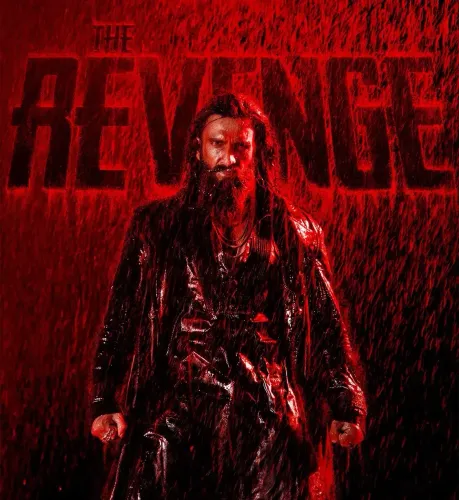
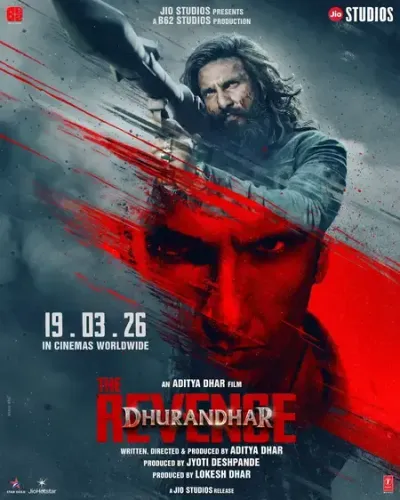
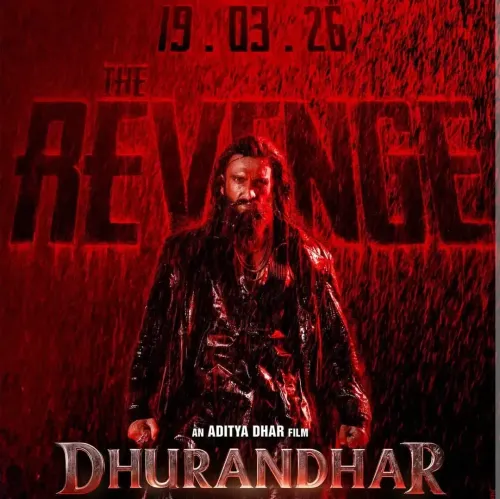
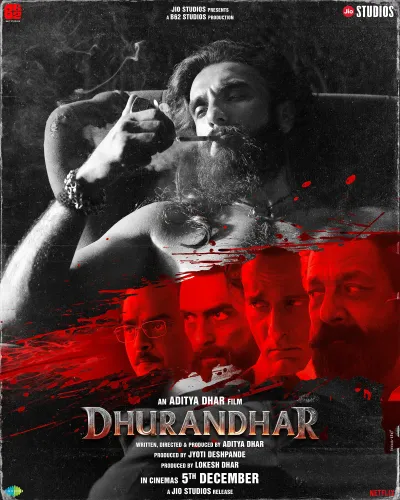
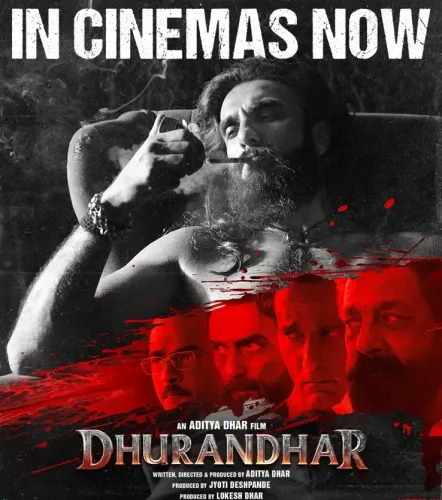
Launched on December 5, this high-energy spy thriller narrates covert intelligence missions against significant geopolitical events and terror incidents, such as the Kandahar plane hijacking, the 2001 Parliament attack, and the 26/11 Mumbai attacks, all featuring Ranveer Singh in a leading role.
While some viewers commend its grand cinematic execution and engaging storyline, others criticize its perceived hyper-nationalism and graphic violence, labeling it as unsettling and provocative.
Reports indicate that 'Dhurandhar' has been barred from release in several Gulf nations due to its sensitive content. This isn't the first time Indian films have faced restrictions in Gulf countries for themes viewed as controversial or anti-Pakistan.
In response to the uproar, BJP spokesperson Rohan Gupta remarked to IANS, 'Not everything should be tied to religion. 'Dhurandhar' is based on real events, and the goal of a film is to present reality.'
Gupta added, 'Linking creativity to religion is inappropriate. Audiences should be able to decide what resonates with them. Opposing creative works in the name of religion is not a healthy mindset.'
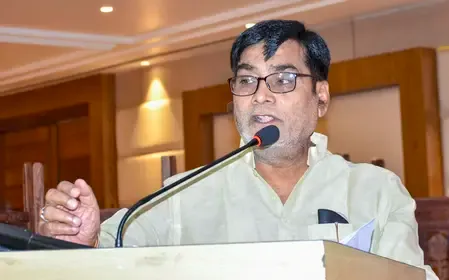
BJP MP Bhim Singh echoed Gupta's sentiments, stating, 'The film showcases terrorism, and it just so happens that some terrorists identify with Islam. If they do, that isn't the filmmakers' fault. There should be no objections to this film.'
Conversely, opposition parties have voiced strong objections.
Samajwadi Party spokesperson Ameeque Jamei accused the filmmakers of aligning with the ruling party's narrative, saying, 'The acting is commendable, yet this film has inadvertently become a tool of government propaganda.' He added that while the film conveys a positive message to Balochistan, it should have been made independently, free from government influence.
Congress MP Tariq Anwar also emphasized the need to examine the film's content given the reported international bans, stating, 'I haven't seen it, but if numerous countries have banned it, we must investigate whether it contains any contentious material that prompted such reactions from Pakistan and others.'
Point of View
It is essential to approach the ongoing debate surrounding 'Dhurandhar' with an unbiased lens. The film raises crucial questions about artistic freedom and the intersection of politics and creativity. While the concerns of various political parties regarding the film's narrative are valid, it is paramount to protect the essence of storytelling, irrespective of differing viewpoints. Ultimately, the audience should be empowered to interpret the film based on their perspectives.
NationPress
19 Sept 2026
Frequently Asked Questions
What is the main controversy surrounding 'Dhurandhar'?
The film has faced accusations from political parties of being government propaganda while the Central Government claims it solely depicts terrorism.
Who directed 'Dhurandhar'?
'Dhurandhar' is directed by filmmaker Aditya Dhar, known for his work in the Indian film industry.
Why has 'Dhurandhar' been blocked in Gulf countries?
Reports suggest that the film has been blocked in several Gulf nations due to its sensitive content and perceived anti-Pakistan narrative.
What are some key events depicted in the film?
The film includes significant events such as the Kandahar plane hijacking, the 2001 Parliament attack, and the 26/11 Mumbai terror attacks.
What do critics say about the film's tone and portrayal of violence?
Critics have described the film as having an overtly hyper-nationalist tone, with extensive portrayals of violence that some find unsettling.