Michael J. Fox on Parkinson's secret: 'I feared it would affect my career'
Synopsis
Michael J. Fox stood before the Emmy Awards audience and admitted what few knew at the time: he hid his Parkinson's diagnosis out of fear that audiences would laugh at him. The moment he stopped hiding it — and started fighting it — turned a personal crisis into one of Hollywood's most consequential advocacy stories.
Key Takeaways
Fox accepted the Bob Hope Humanitarian Award at the Emmy Awards , delivering a candid and emotional speech.
Fox revealed he initially kept his Parkinson's disease diagnosis private, fearing it would harm his career and audience relationships.
He said he was 'stunned' by the public support he received once his diagnosis became known.
Fox described a shift from secrecy to advocacy, saying he eventually understood that 'accepting Parkinson's didn't mean I had to surrender to it.' He credited a team of 'brilliant people' at his foundation and vowed to 'fund the best science in the world' to work towards a cure.
The speech drew a standing ovation from the Emmy Awards audience.
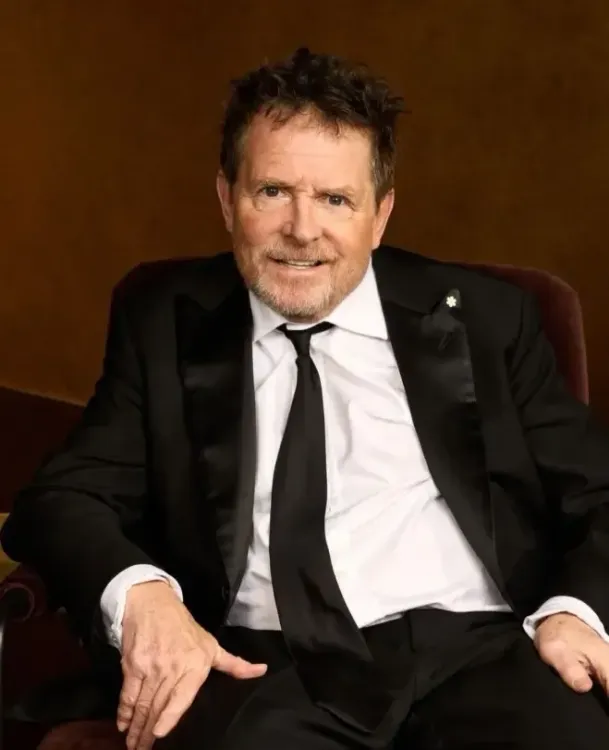
Actor Michael J. Fox revealed at the Emmy Awards that he initially kept his Parkinson's disease diagnosis private, fearing it would damage his career and his relationship with audiences. Fox made the candid disclosure while accepting the prestigious Bob Hope Humanitarian Award at the ceremony, delivering a speech that drew a standing ovation from the audience.
Honouring Bob Hope's Legacy
Fox opened his acceptance speech with a tribute to the award's namesake, Bob Hope, drawing a personal connection to the entertainer's decades of service to military families. 'Thank you, everyone involved with the Television Academy, for this amazing, humbling honor,' Fox said, before turning to Hope's legacy.
He recalled that his own parents, born 'during the Great Depression' and who 'came of age during World War II,' saw Hope as far more than a performer. 'To them, Bob was more than an entertainer. He was a selfless champion of soldiers, and military families like mine, for decades,' Fox said.
Fox painted a vivid picture of Hope's dedication, noting that on 'Christmases, Thanksgivings, other holidays where he could have been celebrating with his family, he was showing up to the troops in Berlin, Saigon, the Middle East, with a turkey leg, and a golf club.' He added: 'He embodied everything I came to believe in years later. I learned from his example.'
The Parkinson's Secret He Kept Hidden
Turning to his own life, Fox revealed how Hope's ethos of showing up under adversity resonated deeply when he received his Parkinson's diagnosis in his late twenties. 'Initially, I kept my Parkinson's diagnosis a secret,' he told the audience, explaining that he worried the revelation would cost him professionally and personally.
'Would they laugh if they knew I was sick?' Fox said, describing the anxiety that accompanied his silence. What followed, he said, surprised him entirely. 'I was stunned by the support I got, the support from all of you, who were so uplifting, and just made me feel like I could keep doing this. I hadn't lost what I do, and they couldn't take it away from me.'
From Secrecy to Advocacy
Fox described a turning point in how he understood his condition — one that shifted his response from concealment to action. 'Eventually, I understood that accepting Parkinson's didn't mean I had to surrender to it, it just meant doing what I could for everyone living with this disease,' he said. That realisation led him to become one of the world's most prominent advocates for Parkinson's research.
'So, I started to advocate for patients' needs and raise money, and to propel us towards a cure,' Fox continued. He credited the team he assembled through his foundation, saying he found 'brilliant people to lead the effort' and vowed to 'fund the best science in the world.' He expressed pride in the progress made for patients and families, adding: 'We move closer to eradicating this disease forever.'
Standing Ovation at the Emmys
The speech prompted a standing ovation from the audience. Fox, visibly moved, acknowledged the crowd's long-standing support: 'It's because you stood up for me, and I appreciate it.' His appearance at the Emmy Awards was itself a statement — a public figure living with a progressive neurological condition continuing to show up, in the tradition of the very award he received.
The Bob Hope Humanitarian Award recognises individuals in the entertainment industry whose humanitarian work has brought credit to the profession, and Fox's decades of advocacy work and fundraising for Parkinson's disease research made him a widely acclaimed choice.
Frequently Asked Questions
Why did Michael J. Fox initially keep his Parkinson's diagnosis a secret?
Michael J. Fox said he feared his Parkinson's diagnosis would damage his career and his relationship with audiences. He worried that people would laugh at him if they knew he was ill, which led him to keep the diagnosis private for a period after receiving it in his late twenties.
What award did Michael J. Fox receive at the Emmy Awards?
Michael J. Fox received the Bob Hope Humanitarian Award at the Emmy Awards. The award recognises entertainment industry figures whose humanitarian efforts have brought credit to the profession, and Fox was honoured for his decades of Parkinson's disease advocacy and fundraising.
What did Michael J. Fox say about Bob Hope in his speech?
Fox paid tribute to Bob Hope as a 'selfless champion of soldiers and military families,' noting that Hope would spend holidays such as Christmas and Thanksgiving entertaining troops in Berlin, Saigon, and the Middle East. Fox said he learned from Hope's example of showing up when things get tough.
How has Michael J. Fox responded to his Parkinson's diagnosis over the years?
After initially keeping the diagnosis private, Fox said he came to understand that 'accepting Parkinson's didn't mean I had to surrender to it.' He went on to advocate for patients, raise funds for research, and establish a foundation dedicated to finding a cure, describing the effort as his life's defining mission.
What reaction did Michael J. Fox receive at the Emmy Awards?
Fox received a standing ovation from the Emmy Awards audience following his acceptance speech. He acknowledged the crowd's support, saying: 'It's because you stood up for me, and I appreciate it.'