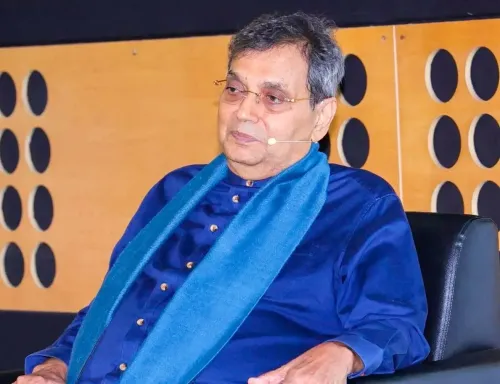
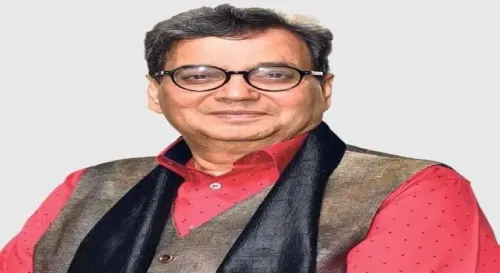
Subhash Ghai on Gen Z: Self-reliance can end corruption
Synopsis
Subhash Ghai’s social media post on Gen Z is more than a feel-good share — it frames self-reliance as an anti-corruption strategy. The idea that individual economic independence can structurally reduce patronage networks is a quietly radical proposition, and the fact that a veteran filmmaker is amplifying it signals a generational handshake between old Bollywood and a new civic mindset.
Key Takeaways
Subhash Ghai shared a Gen Z quote on social media calling self-reliance and skill-building the antidote to corruption.
The post argued that reducing dependence on ‘extra money, services, and power’ from others can organically eliminate corrupt practices.
Ghai’s most recent directorial film was Kaanchi: The Unbreakable ( 2014 ), featuring Kartik Aaryan and Mishti Chakraborty .
His upcoming project under Mukta Arts has been teased but not officially announced, with Riteish Deshmukh reportedly involved.
Ghai’s filmography spans over five decades, including landmark films like Taal , Khalnayak , and Ram Lakhan .
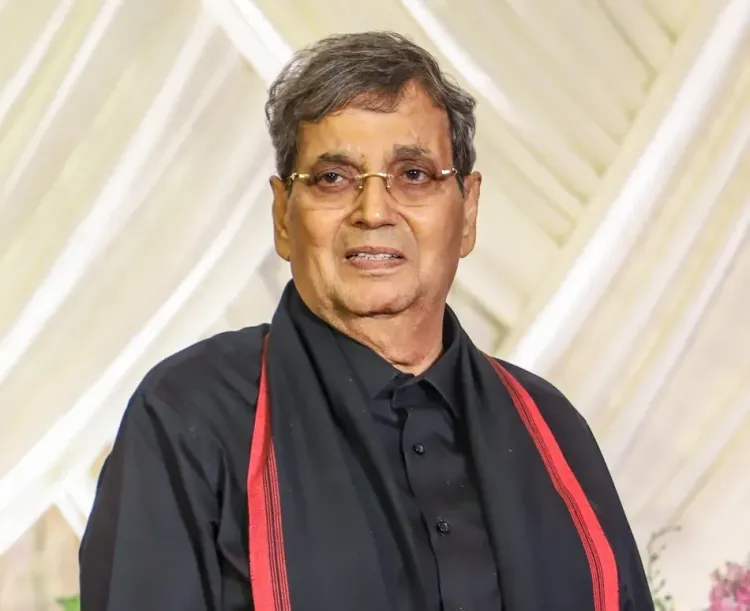
Veteran filmmaker Subhash Ghai has shared a thought-provoking reflection on Generation Z, praising the younger cohort's growing belief that personal skill-building and self-reliance — rather than systemic confrontation — are the most effective tools for social change.
The Quote That Caught Ghai's Attention
Ghai shared what he called an “amazing quote from our Gen Z” on social media, accompanied by an image of currency. The post paraphrased a young person telling their parents: ‘The moment I tell my parents that I will grow myself with my own skill and hard work, you don’t have to ask extra money for your services and power from people — the corruption will stop automatically.’
The filmmaker also highlighted a generational shift in attitude: choosing inner peace over perpetual confrontation with the system. ‘All fights against the system are temporary because we are part of the system,’ the quote read, closing with a plea to parents to allow that space for self-directed growth.
Why Ghai Found It Significant
The post resonated with Ghai’s own filmmaking philosophy — many of his most celebrated works explored themes of individual agency against social odds. His endorsement of the sentiment signals a broader cultural conversation about how India’s youngest adults are reframing civic responsibility: not through protest alone, but through economic self-sufficiency that structurally reduces dependence on patronage networks, which critics argue are a root enabler of corruption.
Notably, this framing aligns with a wider discourse among Indian youth, particularly post-pandemic, about skill acquisition, entrepreneurship, and breaking from inherited hierarchies of influence.
Ghai's Filmography and Legacy
Over a career spanning five decades, Subhash Ghai has directed some of Hindi cinema’s most commercially and critically recognised films, including Karz, Hero, Ram Lakhan, Khalnayak, Pardes, and Taal. His production banner Mukta Arts has been a significant force in Bollywood since the 1980s.
His most recent directorial outing was Kaanchi: The Unbreakable, released in 2014, which marked the screen debut of actress Mishti Chakraborty and featured Kartik Aaryan, Rishi Kapoor, and Mithun Chakraborty in prominent roles.
What's Next for Ghai
Ghai has been teasing his next project under Mukta Arts, generating curiosity with a playful social media post last year featuring actor Riteish Deshmukh dressed in women’s attire. Ghai humorously described Deshmukh as the ‘heroine’ of his forthcoming film, inviting fans to identify the ‘beautiful girl’ in the image — which reportedly appeared to be a still from the 2006 comedy Apna Sapna Money Money, in which Deshmukh played a conman in disguise. Details of the actual new project remain under wraps.
Point of View
But the underlying argument deserves scrutiny. The idea that individual self-sufficiency can crowd out corruption is appealing — and partly true — but it sidesteps structural accountability. Corruption in India is not sustained solely by individual dependence; it is embedded in procurement systems, licensing regimes, and electoral financing. Gen Z’s entrepreneurial energy is real, but framing personal hustle as a substitute for systemic reform risks letting institutions off the hook. The more honest read: self-reliance is a necessary condition, not a sufficient one.
NationPress
28 Sept 2026
Frequently Asked Questions
What did Subhash Ghai post about Gen Z?
Subhash Ghai shared a social media post quoting a Gen Z perspective that argued building one’s future through personal skill and hard work — rather than relying on others for money or influence — could naturally reduce corruption. He described it as an ‘amazing quote’ and paired it with an image of currency.
Why does Ghai’s Gen Z post matter?
The post taps into a growing discourse among Indian youth about self-reliance, entrepreneurship, and civic responsibility. Ghai’s amplification of the idea brings it into mainstream Bollywood conversation, adding cultural weight to a sentiment that is increasingly shaping how younger Indians view systemic change.
What is Subhash Ghai’s most recent film?
Ghai’s most recent directorial venture is Kaanchi: The Unbreakable, released in 2014. The film marked the debut of Mishti Chakraborty and also featured Kartik Aaryan, Rishi Kapoor, and Mithun Chakraborty.
What is Subhash Ghai’s next project?
Ghai has teased an upcoming film under his banner Mukta Arts, with a social media post featuring Riteish Deshmukh in a playful disguise. However, no official title, cast, or release date has been confirmed for the project.
Which are Subhash Ghai’s most celebrated films?
Ghai’s most acclaimed directorial works include Karz, Hero, Ram Lakhan, Khalnayak, Pardes, and Taal, spanning from the late 1970s through the early 2000s. He is widely regarded as one of Hindi cinema’s most influential showmen.