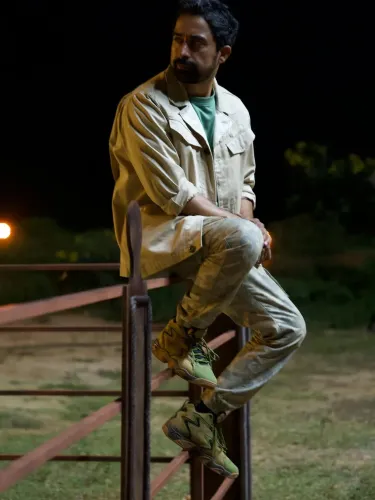
Harman Singha on reality shows: 'They've never gone out of fashion'

Synopsis
Freshly evicted from 'The Traitors', actor Harman Singha says reality shows are as relevant as ever — and admits he wished he had absorbed more of brother Rannvijay Singha's hard-won wisdom before stepping onto the set. His candid exit interview captures what happens when a reality TV rookie walks into a game that veterans have mapped for years.
Key Takeaways
Harman Singha was evicted from reality show 'The Traitors' alongside Karan Singh , Soundous Mouafakir , and Munawar Faruqui .
Harman said reality shows like Bigg Boss have 'never gone out of fashion' and remain a major career avenue for celebrities.
He compared his brother Rannvijay Singha 's hypothetical fate on the show to that of Munawar Faruqui — targeted early for being a perceived threat.
Harman revealed the brothers had discussed before the show that he would be targeted first, innocent or traitor.
He acknowledged this was his first reality show experience , calling Rannvijay far more established in the format.
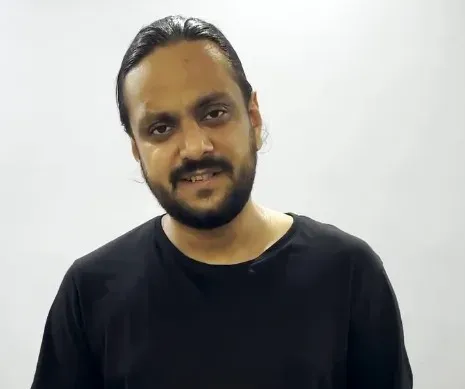
Actor Harman Singha, recently evicted from the reality show 'The Traitors', says the genre has never lost its grip on audiences or on the careers of those who participate. Speaking after his exit from the show, Harman reflected on why celebrities across industries continue to gravitate toward reality television.
Why Reality Shows Keep Drawing Celebrities
Harman was among a group of contestants who left 'The Traitors' together, alongside Karan Singh, Soundous Mouafakir, and Munawar Faruqui. For him, the show represented a first foray into a format his family knows well.
'Reality shows have never gone out of fashion like Bigg Boss. There's so many shows that we watch,' he said. He added that the definition of what makes an artist has evolved: 'The lines of what defines an artist have changed. All of those categories are different. You can be a part of all kinds of storytelling. Which is like audiences becoming much more aware.'
The Visibility Question
When asked whether celebrities pursue reality shows for the lived experience or the platform they provide, Harman acknowledged both dimensions. He noted that reality television has become a legitimate career avenue — not just a detour — for performers from film, music, and digital entertainment. The format's ability to showcase personality rather than craft alone has broadened its appeal on both sides of the camera.
Lessons From Brother Rannvijay Singha
Harman spoke candidly about his brother, veteran reality television personality Rannvijay Singha, and what he would have faced had he entered the same show. 'Rannvijay would have had the same problem which happened with co-contestant Munawar Faruqui. When the opening batsman comes to hit the century on 30 balls, then all the bowlers, all the fielders get scared. That's what happened,' he said.
He revealed that before entering 'The Traitors', the two brothers had discussed this very scenario and concluded that Harman would be targeted early — regardless of whether he was cast as an innocent or a traitor. 'But I wish I had learned something else from my brother because he knows all these things very well. He is very established in reality shows. This was the first experience for me,' Harman admitted.
What This Signals for Reality TV
Harman's reflections point to a broader shift in how Indian entertainment works: reality formats are no longer a fallback but a primary stage. With streaming platforms commissioning more unscripted content and audiences engaging in real time, the genre's staying power appears structural rather than cyclical. For newcomers like Harman, the learning curve is steep — but the visibility on offer remains unmatched.
Point of View
Not a curiosity. That a first-timer walks in citing Bigg Boss as a cultural constant — and exits citing lessons unlearned from a veteran sibling — tells you how high the floor of expectation has risen. The real story here is the professionalization of unscripted television, where instinct alone no longer suffices and strategic literacy matters as much as screen presence.
NationPress
5 Oct 2026
Frequently Asked Questions
Why was Harman Singha evicted from The Traitors?
Harman Singha was evicted from 'The Traitors' as part of a group exit that also included Karan Singh, Soundous Mouafakir, and Munawar Faruqui. He had previously noted that high-profile contestants tend to be targeted early regardless of their actual role in the game.
What did Harman Singha say about reality shows?
Harman said reality shows have never gone out of fashion, citing Bigg Boss as a long-running example. He also argued that the definition of an artist has broadened, making reality television a legitimate form of storytelling for performers across industries.
What is Harman Singha's connection to Rannvijay Singha?
Rannvijay Singha is Harman's brother and a veteran of Indian reality television. Harman said Rannvijay would have faced the same early targeting on 'The Traitors' as Munawar Faruqui did, and admitted he wished he had absorbed more of his brother's experience before entering the show.
What is 'The Traitors' reality show?
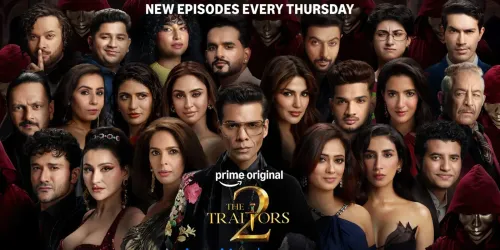
'The Traitors' is a reality competition format in which contestants are divided into 'traitors' and 'faithfuls', with the traitors attempting to avoid detection while eliminating other players. The Indian edition featured a mix of celebrities and public figures.
Why do celebrities choose to appear on reality shows?
According to Harman Singha, celebrities pursue reality shows both for the visibility they offer and for the experience of a different kind of storytelling. He noted that the format has become a mainstream career path, not just a side venture, for performers from film, music, and digital entertainment.