Harsh Chhaya on TV's lost golden era: 8-hour shoots, weekends guaranteed
Synopsis
Harsh Chhaya's candid recollection exposes a seismic shift in Indian television's work culture. Where actors once clocked 8-hour days with guaranteed weekends, today's five-day-a-week broadcast model has normalised 12-hour shifts and eroded performer boundaries — all without a proportional rise in compensation or crew support.
Key Takeaways
Harsh Chhaya recalled shooting schedules of 9 am to 6 pm with Saturdays and Sundays off during his early TV career.
This disciplined routine persisted for two-and-a-half to three years on shows like 'Hasratein' , 'Tara' , and 'Koshish - Ek Aashaa' without compromising output quality.
Today's actors face 12-hour shifts to accommodate five-days-a-week broadcast schedules, compared to weekly airings in the past.
Chhaya is currently praised for his role in OTT series 'Undekhi' , starring Varun Badola and Gautam Rode .
No systematic industry-wide shift toward regulated shooting hours has materialised despite occasional welfare concerns.
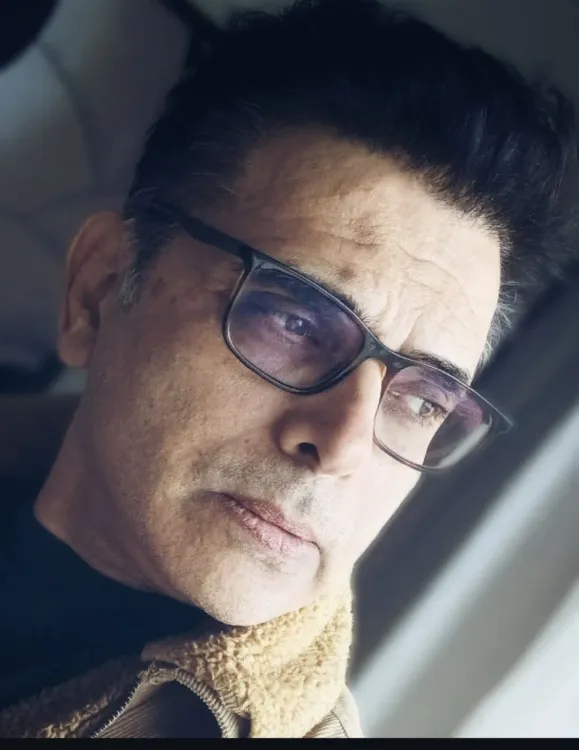
Veteran actor Harsh Chhaya has offered a candid glimpse into television's vanished work culture, contrasting the disciplined shooting schedules of his early career with the gruelling demands facing actors today. In an exclusive conversation, the three-decade industry veteran recalled a time when daily shoots ran from 9 am to 6 pm with both Saturdays and Sundays off — a luxury that has largely disappeared from Indian television.
The organised schedules of yesteryear
"It used to be a lot of work even back then, but we worked only for eight hours because the industry functioned that way," Chhaya told IANS. "An episode would air every week and people today cannot believe that we used to shoot daily from 9 am to 6 pm with Saturdays and Sundays off." He elaborated that this disciplined routine persisted for two-and-a-half to three years on shows like 'Hasratein', 'Tara', and 'Koshish - Ek Aashaa', without compromising on output quality or narrative depth.
The shift mentality that no longer exists
The actor highlighted a telling detail: if a new scene arrived at 5:30 pm, the crew would worry it might stretch into 7 pm, breaching the contracted shift. "If a new scene came in at 5:30 PM, we would worry that it might stretch till 7, because the shift was supposed to end by then," he said. This structured approach stood in stark contrast to current practice, where boundary-breaking has become normalised.
Why today's TV culture demands more for less
The fundamental difference, Chhaya explained, lies in broadcast frequency. "But there is a huge difference today. Now people work 12-hour shifts and are still constantly fighting against time because shows need to air five days a week." The shift from weekly to five-days-a-week airings has compressed production cycles, forcing longer hours without proportional increases in crew or budget. This is the Nth such structural change in Indian television that has tilted the balance against performer welfare.
A career spanning three decades
Harsh Chhaya has remained a fixture in Indian entertainment across television, cinema, and streaming platforms. Beyond his landmark TV roles in 'Margarita' and other hit projects, he has appeared in films including 'Company', 'Corporate', and 'Fashion'. Most recently, he has garnered critical acclaim for his performance in the OTT series 'Undekhi', which also features Varun Badola and Gautam Rode.
What's ahead for television work culture
While industry bodies have occasionally flagged actor welfare concerns, no systematic shift toward regulated shooting hours has materialised. Chhaya's reflection underscores a broader conversation about whether Indian television can recalibrate its production model to match global standards — where 10-12 hour shifts remain the exception, not the norm.
Point of View
With producers claiming 'market demands' while actors absorb the cost. No equivalent rise in per-episode fees or crew support has followed. The irony: content quality hasn't visibly improved, yet the human cost has tripled. Until broadcast frequency is decoupled from shooting hours — through union agreements or regulatory frameworks — this imbalance will persist.
NationPress
22 Sept 2026
Frequently Asked Questions
What were the typical TV shooting hours during Harsh Chhaya's early career?
Actors shot from 9 am to 6 pm, a strict 8-hour shift, with both Saturdays and Sundays off. This disciplined schedule persisted for two-and-a-half to three years on shows like 'Hasratein' and 'Tara', without compromising on content quality or narrative output.
How have TV shooting schedules changed since then?
Today's actors face 12-hour shifts to accommodate five-days-a-week broadcast schedules, compared to weekly airings in the past. The shift from weekly to five-days-a-week airings has compressed production cycles, forcing longer hours without proportional increases in crew or budget.
Why did the industry move away from the 8-hour, weekend-off model?
The fundamental driver was a change in broadcast frequency. As channels shifted from weekly to five-days-a-week airings, production timelines compressed, forcing producers to demand longer shooting hours to meet tighter deadlines.
What is Harsh Chhaya currently working on?
Harsh Chhaya is receiving critical acclaim for his performance in the OTT series 'Undekhi', which also stars Varun Badola and Gautam Rode. He has been active across television, film, and streaming platforms for over three decades.
Has the Indian TV industry addressed actor welfare concerns?
While industry bodies have occasionally flagged actor welfare concerns, no systematic shift toward regulated shooting hours has materialised. The imbalance between broadcast frequency and shooting schedules remains largely unaddressed.