James Gunn defends Clayface movie against 'who asked for it' criticism
Synopsis
James Gunn didn't just defend Clayface — he challenged the entire premise of audience-demand gatekeeping. In a pointed Threads post, DC Studios' co-chief argued that cinematic classics from Casablanca to Mad Max were never 'asked for' either, framing passion-driven storytelling as the only logical foundation for meaningful filmmaking. It's a philosophically bold stance from someone remaking one of Hollywood's most scrutinised franchises from scratch.
Key Takeaways
James Gunn responded on Threads to criticism over the Clayface film, defending its creative rationale.
Gunn argued Hollywood greatness is driven by inspiration, not audience demand, citing films like Casablanca and The Matrix .
The film was initially conceived by Mike Flanagan , with James Watkins and Hossein Amini later taking over.
Tom Rhys Harries stars as Matt Hagen (Clayface), alongside Naomi Ackie , David Dencik , Max Minghella , and Eddie Marsan .
Gunn's tenure at DC Studios has faced ongoing scrutiny, particularly over the replacement of Henry Cavill with David Corenswet as Superman.
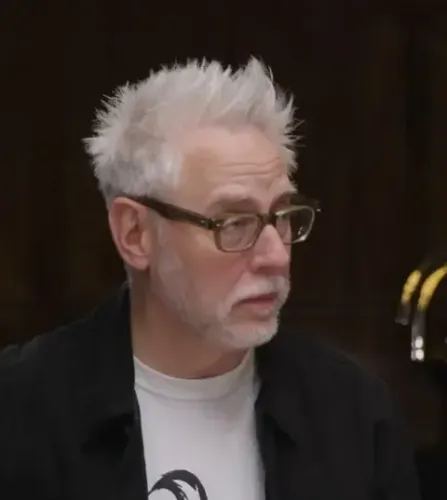
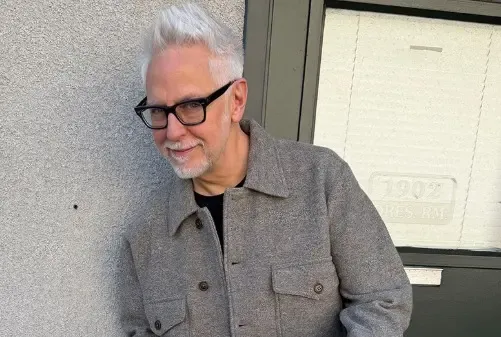
DC Studios co-chief James Gunn has fired back at critics questioning why a Clayface film is being made, arguing that some of cinema's greatest works were never 'asked for' by audiences before they arrived. Gunn's response, posted on Threads on 8 October 2026, came after an internet user challenged the creative logic behind adapting the relatively obscure DC Comics villain into a standalone feature.
What Gunn Said
The user's original comment — which has since been deleted — posed a pointed counter-question to Clayface sceptics, listing beloved films no one 'demanded' in advance, including Back to the Future, Casablanca, There's Something About Mary, Pan's Labyrinth, Fury Road, Weapons, and The Matrix.
Gunn followed up with two posts of his own. 'Although it may seem like it, Hollywood isn't a place where the only way to make a movie is the public voting on what IP they want to see that they've seen countless times before,' he wrote in the first.
In a second post, he elaborated on the creative process behind Clayface: 'Sometimes someone, in this case initially Mike Flanagan and then James Watkins and Hossein Amini, were inspired by a relatively little-known fictional character and crafted what I believe is a very special story around that character. I'd take that inspiration a thousand times over some writer trying to make a buck by writing a listless screenplay about a majorly popular character he or she has no passion or feel for.'
The Film's Cast and Premise
The Clayface film stars Tom Rhys Harries in the titular role of Matt Hagen, alongside Naomi Ackie, David Dencik, Max Minghella, and Eddie Marsan. According to the film's official description, the story follows Hagen's 'meteoric rise from Gotham street kid to Hollywood leading man,' which is 'tragically cut short when a local crime boss's actions leave him horribly disfigured.'
The synopsis continues: 'Abandoned by his team and with nothing left, Matt seeks out a cutting-edge treatment that miraculously returns him to his former self, but also unexpectedly affects his grip on reality, spiraling him down a destructive path of all-consuming revenge.' The premise frames Clayface less as a conventional superhero spectacle and more as a character-driven tragedy, consistent with Gunn's stated preference for passion-driven storytelling over IP familiarity.
Context: Gunn's Tenure at DC Studios
Gunn's leadership at DC Studios has not been without turbulence. His most publicly debated decision remains the transition of the Superman mantle from Henry Cavill — who had a devoted fanbase — to David Corenswet for the rebooted DC Universe (DCU). Critics of that move have remained vocal online, and Clayface's perceived obscurity has given fresh ammunition to those questioning the direction of the rebooted franchise.
Notably, the project's creative lineage is itself unconventional: horror-specialist Mike Flanagan initially developed the concept before James Watkins and screenwriter Hossein Amini took over. This creative handoff suggests the film's development has been anything but straightforward, lending credence to Gunn's argument that genuine artistic investment — not audience-demand metrics — is driving the project forward.
What's Next
No official release date for Clayface has been announced as of now. The film is part of DC Studios' broader slate under Gunn's stewardship, which is expected to establish a cohesive shared universe distinct from the earlier DCEU. How audiences respond to less familiar characters will be a litmus test for Gunn's creative philosophy — and for whether studio audiences are ready to follow filmmakers' instincts rather than franchise familiarity.
Point of View
And a string of unfamiliar properties could test fanbase patience before the new DCU has built enough goodwill to absorb misses.
NationPress
8 Oct 2026
Frequently Asked Questions
Why is James Gunn defending the Clayface movie?
James Gunn responded to online critics questioning why a Clayface film is being made, arguing that cinema's most beloved films were never 'asked for' by audiences before they were created. He cited examples including Casablanca, The Matrix, and Pan's Labyrinth to make his case.
Who is making the Clayface film?
The Clayface film is directed by James Watkins, with a screenplay by Hossein Amini. Horror filmmaker Mike Flanagan originally developed the concept before the project transitioned to its current creative team under DC Studios.
Who stars in the Clayface movie?
Tom Rhys Harries plays the lead role of Matt Hagen, the character who becomes Clayface. The supporting cast includes Naomi Ackie, David Dencik, Max Minghella, and Eddie Marsan.
What is the Clayface film about?
According to its official description, the film follows Matt Hagen, who rises from a Gotham street kid to a Hollywood star before being disfigured by a crime boss. A cutting-edge treatment restores his appearance but distorts his reality, sending him on a path of revenge.
What controversies has James Gunn faced at DC Studios?
Gunn's most debated decision has been replacing Henry Cavill with David Corenswet as Superman in the rebooted DC Universe. The Clayface project's perceived obscurity has added a new front to criticism of his creative direction for the franchise.