Karan Johar on Devil Wears Prada 2: Why the sequel mirrors today's media crisis
Synopsis
Karan Johar sees The Devil Wears Prada 2 not as a nostalgia play but as a diagnosis of modern media's ailments—the slow death of print, the corporate capture of creative vision, and the digital machinery that has remade journalism. His reading exposes why the sequel resonates beyond fashion-world gossip: it's a requiem for institutional integrity.
Key Takeaways
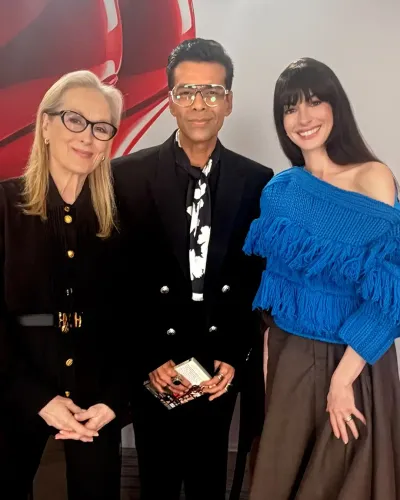
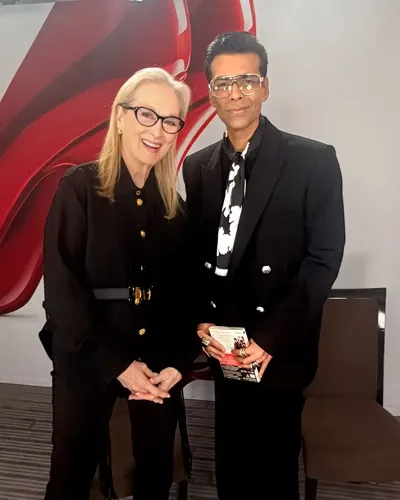
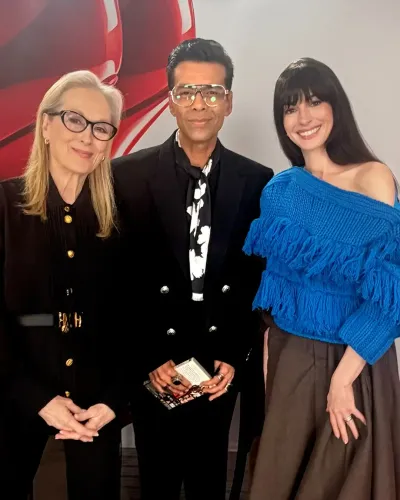
Karan Johar attended a screening of The Devil Wears Prada 2 and shared his reflections on Instagram.
The filmmaker praised the sequel for addressing the decline of print journalism and the surge of digital culture.
Unlike the original, which is anchored in nostalgia, the sequel critiques corporate consolidation over artistic ideation.
Johar noted character shifts: Miranda is more vulnerable, Andy more hopeful, Nigel more amiable, and Emily standout.
Johar invoked his younger self's belief that "visions can't be replaced by vendors," the film's central tension.
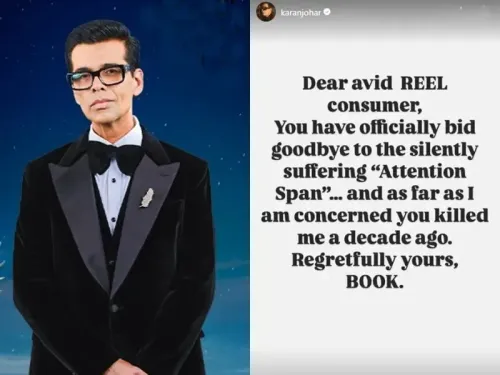
Filmmaker Karan Johar, a self-described Meryl Streep devotee, has reflected on The Devil Wears Prada 2, the sequel to the 2006 original, arguing that while the first film is anchored in personal nostalgia, the follow-up cuts closer to contemporary anxieties—particularly the erosion of print journalism and the dominance of digital culture. Johar attended a screening of the sequel and shared his thoughts on Instagram, drawing a sharp contrast between the two films.
What nostalgia reveals
Johar began by reflecting on his original viewing of The Devil Wears Prada. "Nostalgia is powerful. It keeps the present hopeful," he wrote, describing how his memory of the 2006 film remains "embedded in my heart." He credited the original with deepening his admiration for Streep and illuminating the character of Miranda Priestly—a demanding leader whose pursuit of excellence, though aesthetically exacting and elitist, resonated with Johar's understanding of perfectionism in creative fields.
The sequel's sharper edge
Unlike the original, Johar argues, the sequel addresses the structural crises of contemporary media. "This sequel speaks of our times," he wrote, highlighting themes of print journalism's "emerging irrelevance," the "digital overdrive mania" eroding print's cultural standing, and the subordination of artistic vision to corporate consolidation. Johar noted that the film manages to embed these critiques within comedy—a feat he credited as the sequel's "solid strength."
Character arcs and thematic depth
Johar observed shifts in the ensemble. Miranda appears more vulnerable; Andy more hopeful; Nigel more amiable; and Emily "just wonderful." These character recalibrations, Johar suggested, align with the sequel's broader meditation on institutional fragility and personal resilience in a media landscape remade by technology.
A personal reckoning
Johar concluded his reflection by invoking his younger self: "I went back to my 33-year-old self who believed that visions can't be replaced by vendors." The statement encapsulates the film's central tension—the collision between artistic ideation and commercial pragmatism, a collision that has only intensified since 2006.
Point of View
Miranda Priestly's struggle against corporate forces feels less like fiction and more like documentary. Johar's invocation of his younger idealism—"visions can't be replaced by vendors"—is a quiet indictment of how thoroughly that battle has been lost.
NationPress
13 Oct 2026
Frequently Asked Questions
What did Karan Johar say about The Devil Wears Prada 2?
Karan Johar praised the sequel for addressing contemporary media crises, particularly the decline of print journalism and the dominance of digital culture. He argued that while the original film was rooted in nostalgia, the sequel resonates with present-day anxieties about corporate consolidation over artistic vision.
How does Johar distinguish between the original and the sequel?
Johar noted that the original Devil Wears Prada is steeped in personal nostalgia and serves as an ode to Meryl Streep and perfectionism. The sequel, by contrast, engages directly with the structural crises of modern media—the erosion of print journalism and the corporate capture of creative ideation.
What themes does Johar identify in Devil Wears Prada 2?
Johar highlights the film's exploration of print journalism's fading relevance, the digital culture's overwhelming surge, the powerlessness of artistically powerful forces against corporate interests, and the prioritization of consolidation over ideation. He credits the sequel with embedding these critiques within comedy.
How do the characters evolve in the sequel, according to Johar?
Johar observed that Miranda appears more vulnerable, Andy more hopeful, Nigel more amiable, and Emily particularly strong. These shifts, he suggested, reflect the film's broader meditation on institutional fragility and personal resilience.
What does Johar mean by 'visions can't be replaced by vendors'?
This phrase, which Johar attributed to his younger self, encapsulates the film's central tension—the collision between artistic vision and commercial pragmatism. It reflects the struggle against corporate consolidation of creative industries, a battle Johar sees as increasingly tilted toward corporate interests.