How Did John Cusack Approach the Iconic Boombox Scene in ‘Say Anything’?
Synopsis
Discover the behind-the-scenes struggles of John Cusack as he reflects on the iconic boombox scene in ‘Say Anything’. More than 35 years later, he reveals his creative process and the challenge of portraying Lloyd Dobler amidst doubts and character development.
Key Takeaways
John Cusack faced challenges in portraying the boombox scene.
The character of Lloyd Dobler was initially uncertain and evolved through Cusack's input.
The film highlights themes of love, pride, and optimism.
Creative input from actors can significantly shape character development. ‘Say Anything’ remains a cultural icon in cinema.
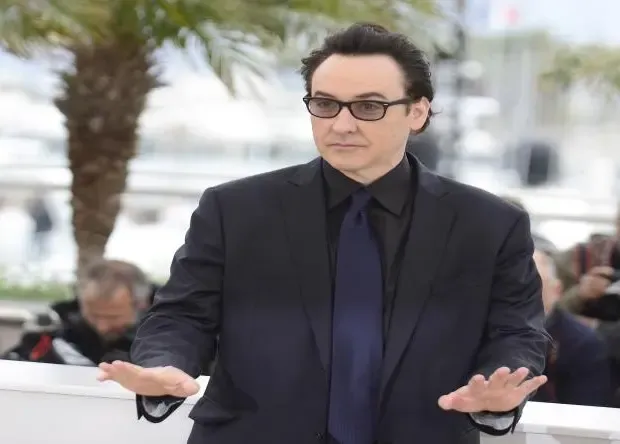
Los Angeles, Dec 27 (NationPress) Hollywood actor John Cusack has revealed that he invested considerable effort into his bold display of affection in ‘Say Anything’. It wasn't as effortless as it appears.
Over 35 years after Cusack's character, Lloyd Dobler, became a cultural icon by raising a boombox outside Diane Court’s window, portrayed by Ione Skye, while Peter Gabriel’s “In Your Eyes” resonated, the 59-year-old actor confessed that he originally “didn’t know how to do it,” as reported by ‘People’ magazine.
“I was uncertain about how to portray it because I viewed the character as someone sitting outside, lamenting and saying, ‘Please come back to me’,” Cusack shared during a screening of the film at New York City’s Kings Theatre on November 30. “Men tend to possess pride, right?” However, he soon “figured that part out.”
“He sensed something was amiss, perhaps with her father, or that someone was influencing her,” he elaborated about his character in the film directed by Cameron Crowe. “I thought, initially, I don't quite know how to do this. Eventually, I realized at the film's conclusion, ‘What if he’s genuinely rebellious? That’s what made it resonate’.”
According to People, Cusack also disclosed that he accepted the iconic role on the condition that Crowe, 68, would allow him to modify parts of the script. After his initial reading, he recognized that many films depicted youth through the perspective of a “45 to 50-year-old professional writer in the dialogue of characters.”
What changes did he want for Lloyd’s character? Cusack stated that “the character was inherently optimistic but lacked any darker elements.” Thus, he aimed to showcase Lloyd as “actively choosing optimism,” emphasizing that it portrayed him as “somewhat heroic.”
“It resembles a song by (John) Lennon and (Paul) McCartney. McCartney expresses, ‘You must admit it's improving. It's getting better all the time.’ Then Lennon counters, ‘It can't get any worse.’ That encapsulates the essence of that character,” he added.
Point of View
This story highlights the depth of artistic expression in film, demonstrating how actors like John Cusack contribute to the emotional resonance of their characters. Cusack’s insights remind us of the intricate balance between vulnerability and strength in storytelling, a crucial aspect of cinema that resonates with audiences.
NationPress
1 Oct 2026
Frequently Asked Questions
What is the significance of the boombox scene in ‘Say Anything’?
The boombox scene symbolizes a dramatic expression of love and defiance, marking a pivotal moment in cinematic history.
Did John Cusack have any creative input in ‘Say Anything’?
Yes, Cusack insisted on modifying the script to ensure his character, Lloyd, reflected a more optimistic and heroic portrayal.
Who directed ‘Say Anything’?
The film was directed by Cameron Crowe.
What does Lloyd Dobler represent in the film?
Lloyd Dobler embodies the struggles and aspirations of young love, showcasing the complexity of relationships.
How long has it been since ‘Say Anything’ was released?
It has been over 35 years since the film's release.