Why does Kumar Sanu link 90s indie pop to helplessness?

Synopsis
Kumar Sanu says some singers turned to independent albums out of helplessness when they could not find work, hoping success might bring a Bollywood offer. He discussed the 90s indie-pop scene while promoting ‘Suniyo Zara’ in Mumbai.
Key Takeaways
Kumar Sanu linked the rise of 1990s indie pop to singers struggling to find work.
Sanu said some singers made albums hoping success would lead to an offer from Bollywood.
The playback singer discussed indie music while promoting ‘Suniyo Zara’ at his home in Andheri West, Mumbai .
Sanu previously described a technique he calls “visual singing”, in which he imagines himself as the hero.
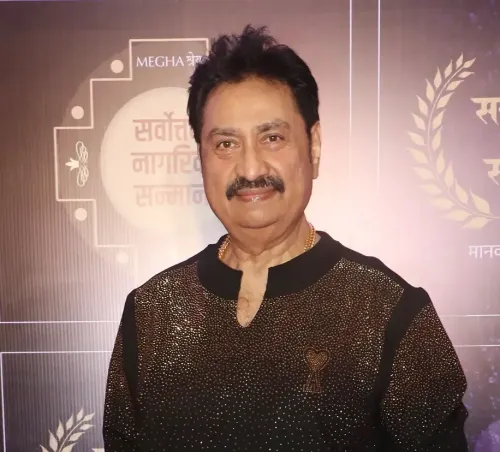
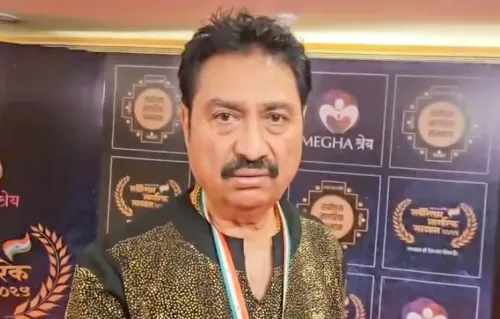
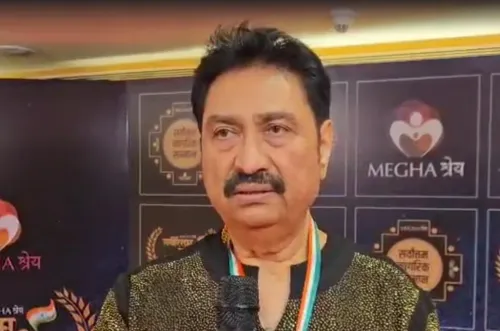
Kumar Sanu has linked the rise of 1990s indie pop to the difficulties singers faced in finding work, saying some turned to making albums out of “helplessness”. The playback singer made the remarks at his home in Andheri West, Mumbai, during promotions for his latest song, ‘Suniyo Zara’.
Asked whether streaming and the democratisation of music were bringing the independent music system back, Sanu recalled how singers who struggled to secure work sought another route to an audience. He said some hoped success with an album might eventually bring an offer from Bollywood.
Why Sanu connects indie albums with struggle
Sanu described independent albums as an alternative for singers who could sing well but were unable to find work despite struggling. He characterised that shift as a response to a lack of opportunity.
“There are two or three reasons for this. One is that this diversion happens in helplessness,” he said. He added that when a singer does not get work, “Individuals try to make an album”.
The singer said raising money to make an album was part of a wider calculation among singers at the time. In his account, an independent release could offer both a chance of success and a possible route into Hindi film music.
The Bollywood opportunity behind an album
Explaining the thinking he associated with that period, Sanu said: “People thought, ‘I somehow manage to get money. If I get success in that, maybe I can get an offer from Bollywood’.” He described it as a thought process shared by singers at the time.
He also said an album system emerged from that diversion before Hindi film music took over. His comments presented the move towards independent releases as connected to singers’ search for work rather than as a separate account of the entire genre’s history.
The question put to Sanu linked that earlier system with the availability of music through streaming. His response focused on the pressures he associated with singers making albums in the earlier period.
Sanu on visualising a song
The singer had earlier discussed a technique he calls “visual singing” when asked about his voice suiting a range of film stars. He said he imagines himself as the hero while singing.
“It means that I am the hero. When I sing a song, I make myself a hero,” Sanu said. He also described forming a visual image involving a heroine and a garden, connecting that mental picture with what listeners hear in a performance.
“That is when you feel the liveliness in the song,” he said. His account of the technique accompanied a discussion of how he approaches songs associated with different screen performers.
Independent music and the streaming question
Sanu’s remarks draw a distinction between the reason he believes singers made independent albums in the past and the question of whether streaming is encouraging a return to that model. He did not provide figures on independent releases or identify particular albums in his comments.
For singers seeking an audience beyond film work, his recollection places the challenge of finding opportunities at the centre of the discussion. The continuing question is how independent releases will develop alongside film music as listening habits change.
Point of View
By itself, establish whether artists can earn a living or reach listeners. His recollection also calls for a broader examination of the different experiences that shaped India’s independent music scene.
NationPress
24 Nov 2026
Frequently Asked Questions
What did Kumar Sanu say about 90s indie pop?
Kumar Sanu said the move towards independent albums was born out of helplessness among singers who struggled to find work. He said some hoped an album’s success would lead to a Bollywood offer.
Why did Kumar Sanu say singers made independent albums?
Sanu said some singers turned to independent albums when they could not secure work despite struggling. In his account, they tried to arrange money for a release that might improve their chances in Bollywood.
What song was Kumar Sanu promoting when he discussed indie music?
Kumar Sanu was promoting his latest song, ‘Suniyo Zara’. He spoke at his home in Andheri West, Mumbai.
What is Kumar Sanu’s visual singing technique?
Sanu describes visual singing as imagining a scene while performing a song. He said he pictures himself as the hero and connects that visualisation with the liveliness of his singing.
Did Kumar Sanu announce a new independent album?
Sanu did not announce a new independent album in the supplied account. His remarks concerned the earlier album system and came during promotions for ‘Suniyo Zara’.