Millie Bobby Brown on socialising struggles after a childhood on set
Synopsis
Millie Bobby Brown spent nearly a decade playing Eleven on Stranger Things — and says it cost her a normal social development. Speaking on a podcast, the 22-year-old admitted she struggles to connect with people her own age, having grown up talking lens changes with 40-something crew members rather than swapping school stories with peers. It is one of the more honest accounts of what early fame actually takes from a person.
Key Takeaways
Millie Bobby Brown , 22 , opened up about social struggles stemming from her childhood on professional film sets.
She cited missing out on socialisation as the biggest milestone she did not experience growing up.
Most of her colleagues on Stranger Things were reportedly men over 40 , shaping the conversations she grew up with.
Brown said she can discuss lens changes and shots at length but struggles with typical peer topics like bars and restaurants.
She acted professionally from 2013 and played Eleven in Stranger Things from 2016 to 2025 .
Millie Bobby Brown, the 22-year-old star of Netflix's Stranger Things, has spoken candidly about the social challenges that came with growing up almost entirely on film sets, saying she finds it genuinely difficult to connect with people her own age. The actress made the remarks on the Happy Sad Confused podcast on Monday, 29 June, in a conversation that has since drawn wide attention.
What She Said
When asked whether she felt she had missed any major milestones during her childhood, Brown did not hesitate: 'socialisation' was the word she used. Having never attended a traditional school, her formative years were spent almost entirely among professional film crews.
'Sometimes when fans come up to me, they'll be like 'Millie!' and I'll be like 'Aah',' she said. 'I just don't know how to react sometimes to people my own age. I have a harder time.'
Life on Set as a Child
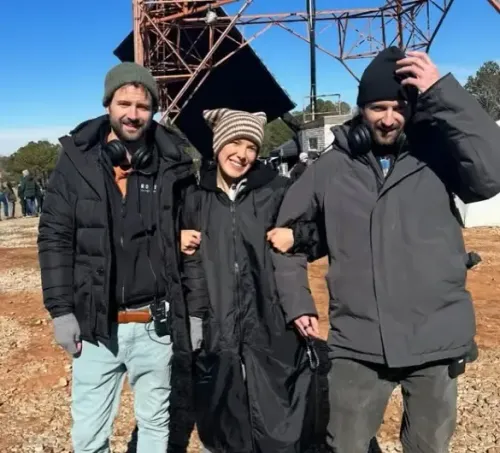
Brown explained that the majority of her colleagues on Stranger Things and her other projects were 'men over 40 years old,' which shaped the kind of conversations she grew up absorbing. Instead of typical adolescent talk, her daily exchanges revolved around production logistics.
'I heard a lot of adult talk growing up,' she said. 'I didn't really talk about the things you're meant to talk about as a kid. Because you hear 'Where's the grip? Let's grab a ladder' — and so that's your whole conversation.'
The result, she acknowledged, is that she can speak 'extensively' about 'different lens changes and shots,' but struggles to engage with peers over everyday topics like favourite bars and restaurants.
A Career That Started at 9
Brown made her professional acting debut in Once Upon a Time in Wonderland in 2013, when she was still a child. She rose to global fame playing Jane 'Eleven' Hopper in Stranger Things, a role she held from 2016 to 2025 — nearly a decade in one of the most watched series on the platform.
The sheer length of that run means Brown spent the bulk of her teens and early twenties on a working set, a reality she is only now beginning to process publicly.
A Wider Conversation About Child Stardom
Brown's remarks arrive at a moment when the entertainment industry is facing renewed scrutiny over the long-term impact of early fame on young performers. Her candour adds a nuanced dimension to that debate: the social costs of a childhood in the spotlight are not always visible, and they do not always resolve once the cameras stop rolling.
Whether Brown's openness prompts broader reflection within the industry remains to be seen, but her willingness to name the specific gaps — not just the pressures — marks a notably honest contribution to the conversation.
Point of View
Leaving her genuinely ill-equipped for the small talk that holds peer relationships together. The entertainment industry has long treated young performers as small adults on set, and Brown's candour is a reminder that the developmental cost of that arrangement does not disappear when the series wraps. The conversation around child stardom needs to move beyond the obvious harms and reckon with the quieter ones too.
NationPress
29 Sept 2026
Frequently Asked Questions
Why does Millie Bobby Brown struggle to socialise with people her age?
Brown says she grew up working on professional film sets rather than attending traditional school, which meant her daily conversations were with adult crew members rather than peers. She has said this left her unsure how to connect with people in their early twenties over everyday topics.
Where did Millie Bobby Brown make these comments?
She spoke on the Happy Sad Confused podcast on Monday, 29 June, in a wide-ranging conversation about her upbringing and career.
What did Millie Bobby Brown say she missed growing up?
When asked about milestones she felt she had missed, Brown specifically named 'socialisation', pointing to the absence of a conventional school experience and the dominance of adult professional talk in her childhood.
How long was Millie Bobby Brown on Stranger Things?
Brown played Jane 'Eleven' Hopper in Stranger Things from 2016 to 2025 — nearly a decade — having made her professional acting debut even earlier, in Once Upon a Time in Wonderland in 2013.
What broader issue do Brown's comments raise?
Her remarks contribute to a growing conversation about the long-term social and developmental impact of child stardom, particularly the less visible costs such as stunted peer socialisation that can persist well into adulthood.