Mukesh Rishi on Raakh controversy: 'You can debate, not challenge makers'
Synopsis
Veteran actor Mukesh Rishi has entered the 'Raakh' debate with a nuanced but pointed stance: audiences can question, but cannot override a filmmaker's creative choices. As social media calls out the Sonali Bendre-Ali Fazal series for allegedly distorting the Ranga-Billa case — changing names, religion, and facts — the row has reignited a wider question about accountability in India's booming fact-based OTT content.
Key Takeaways
Mukesh Rishi commented on the backlash against the web series 'Raakh' , starring Sonali Bendre and Ali Fazal .
Audiences allege the series distorted facts from the real Ranga-Billa case , including altering character names, religion, and narrative details.
Rishi said viewers can 'debate' creative choices but 'cannot challenge' why filmmakers made specific changes.
Social media users have called on the Central Board of Film Certification (CBFC) to regulate fact-based content more strictly.
The controversy reflects a growing national debate over creative licence versus factual responsibility in Indian OTT productions.
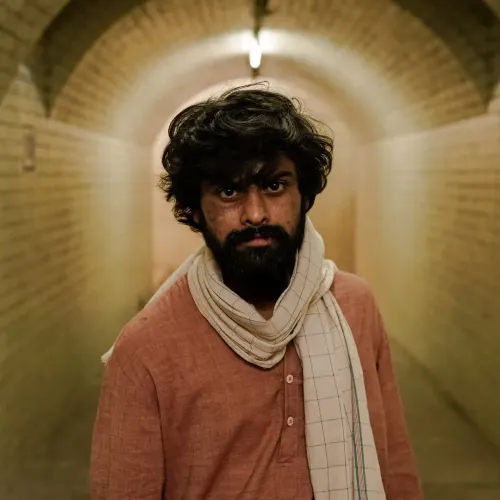
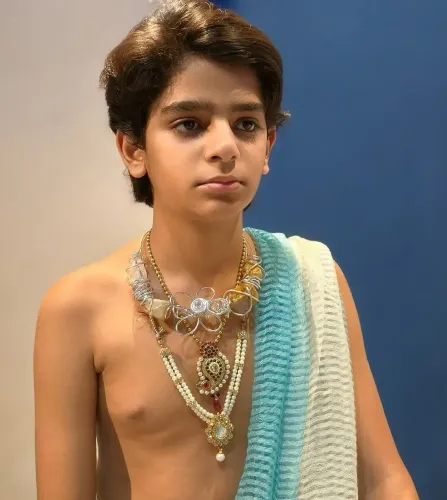
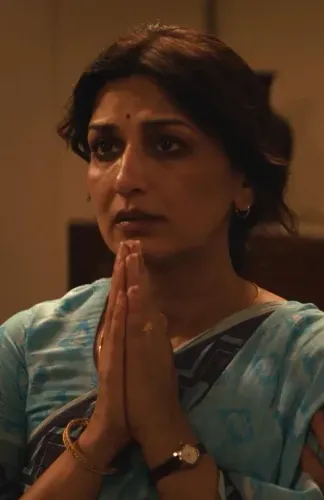
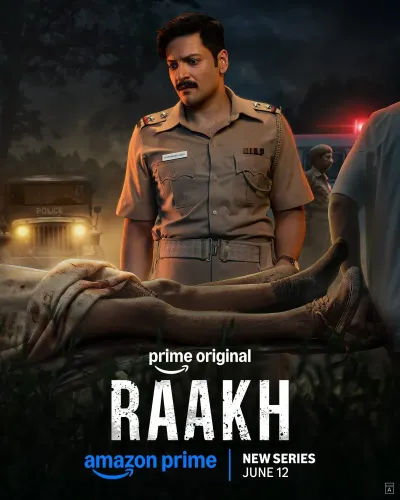
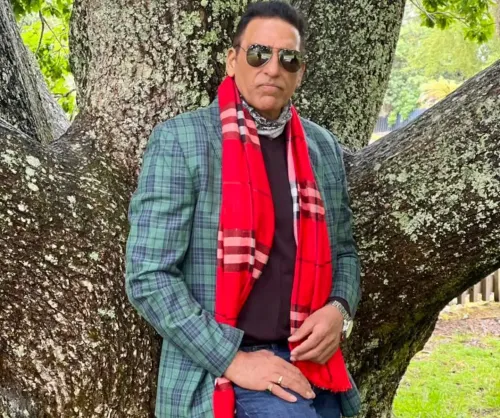
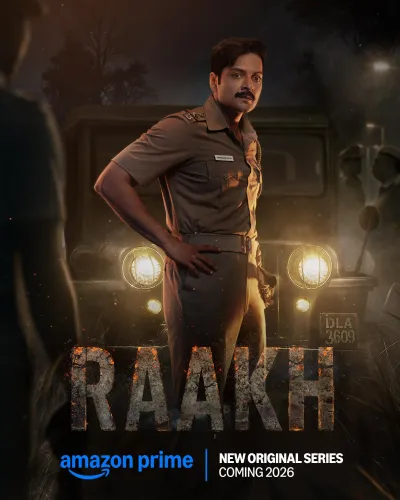
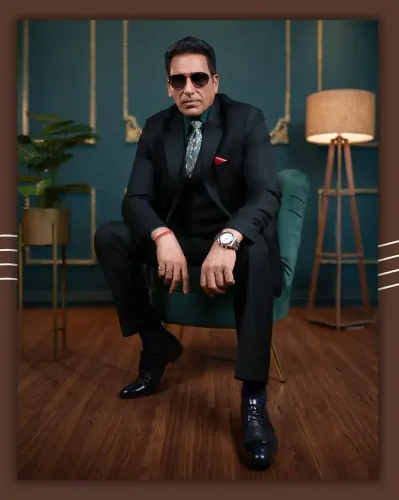
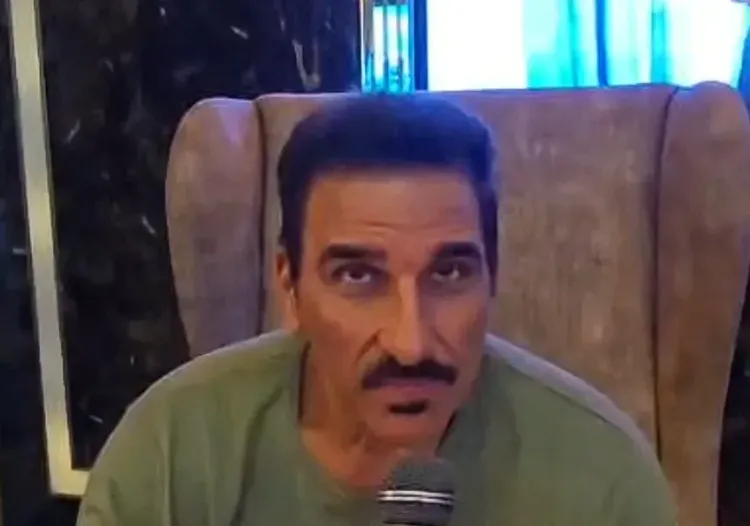
Veteran actor Mukesh Rishi has weighed in on the growing controversy surrounding the recently released web series 'Raakh', starring Sonali Bendre and Ali Fazal, which has drawn sharp criticism for allegedly distorting facts from the real events it is based on.
What the Controversy Is About
While 'Raakh' received praise from a section of viewers, it also triggered significant social media backlash, with audiences alleging that the series made unnecessary additions, altered character details, and reshaped the narrative to suit the makers' perspective. Critics argue the production strayed too far from the actual story — reportedly the Ranga-Billa case — distorting names, religious identities, and key facts.
What Mukesh Rishi Said
Speaking on the matter, Mukesh Rishi drew a distinction between public debate and challenging creative authority. 'This is debatable. Once the cinema is created and reaches the people, it depends on them what they feel about it,' he said. 'Nowadays, it does not take people a long time to realise what the truth is — everything is available on the phone. They come to know that the project is not able to depict what they have already read on the subject. So this is definitely a challenge nowadays.'
Rishi, however, stopped short of endorsing demands to hold filmmakers accountable for factual alterations. 'When a film is made, we cannot challenge why they have changed something — we can only debate on it,' he added.
Public Reaction and Social Media Outcry
The backlash has been vocal and pointed. One social media user wrote: 'Foreign and even elements have started to exploit this division and spread hatred in the name of awareness. The Central Board of Film Certification (CBFC) is supposed to take care of such things... Changing of real incidents, names, characters, religion, caste shouldn't be done to get more views.'
Another viewer commented: 'I have watched the Ranga-Billa story covered thrice, have read about it, and only RAAKH has its own propaganda to be covered rather than covering the actual crime properly.'
The comments reflect a broader sentiment among audiences that content based on real events carries a higher responsibility toward factual accuracy — a debate that has resurfaced repeatedly in Indian streaming with shows like 'The Indrani Mukerjea Story' and others.
The Broader Debate on Streaming and Fact-Based Content
The 'Raakh' row is not an isolated incident. As Indian OTT platforms increasingly mine high-profile criminal cases for content, questions about the line between creative licence and factual distortion have intensified. Many netizens have called on the CBFC and streaming regulators to enforce stricter guidelines for productions that claim to be based on true events.
Whether 'Raakh' will face any regulatory scrutiny remains to be seen, but the controversy has already amplified the conversation around accountability in fact-based Indian storytelling.
Point of View
Not challenge' — is a diplomatic dodge that sidesteps the real issue: when a production explicitly claims to be based on true events, it implicitly invites a factual standard. The 'Raakh' controversy is not about artistic interpretation of fiction; it is about whether OTT platforms can selectively alter identities, religion, and facts in crime reconstructions without consequence. The CBFC's silence on streaming content remains a structural gap, and until a clear regulatory framework exists for 'based on true events' disclaimers, these rows will repeat. Rishi is right that audiences now fact-check in real time — that is precisely why the industry can no longer rely on the old defence of creative licence.
NationPress
25 Sept 2026
Frequently Asked Questions
What is the Raakh web series controversy about?
The 'Raakh' web series, starring Sonali Bendre and Ali Fazal, has faced backlash from viewers who allege it distorted facts from the real criminal case it is based on — reportedly the Ranga-Billa case — by altering character names, religious identities, and key narrative details. Critics argue the changes were made to push a particular viewpoint rather than represent the actual events accurately.
What did Mukesh Rishi say about the Raakh controversy?
Mukesh Rishi said the matter is 'debatable' and acknowledged that audiences can quickly verify facts through their phones. However, he maintained that viewers 'cannot challenge' why filmmakers made specific creative changes — they can only debate them.
Who stars in the Raakh web series?
'Raakh' stars Sonali Bendre and Ali Fazal in lead roles. The series is reportedly inspired by a real criminal case, though the makers have taken creative liberties that have drawn public criticism.
What are viewers demanding after the Raakh row?
Several viewers have called on the Central Board of Film Certification (CBFC) to enforce stricter guidelines for productions based on real events, arguing that changing names, religion, caste, or facts for viewership should not be permitted without regulatory oversight.
Is this the first time an Indian OTT series has faced such backlash?
No. The 'Raakh' controversy is part of a recurring pattern in Indian streaming, where fact-based crime dramas have previously been accused of distorting real events. The debate over creative licence versus factual responsibility has intensified as OTT platforms increasingly adapt high-profile criminal cases for entertainment.