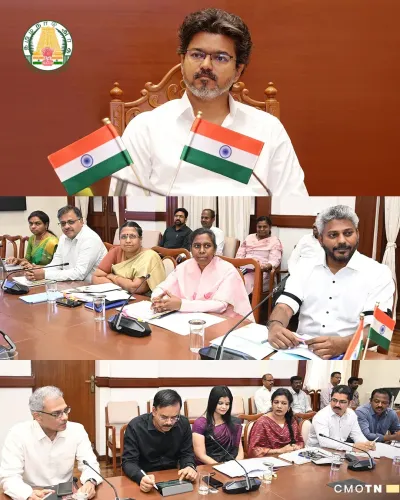
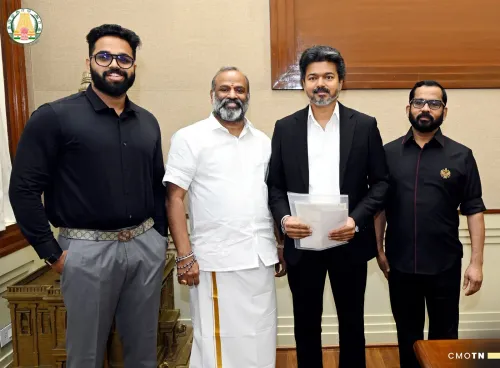
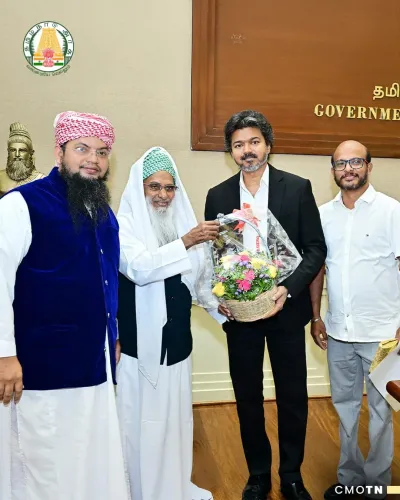
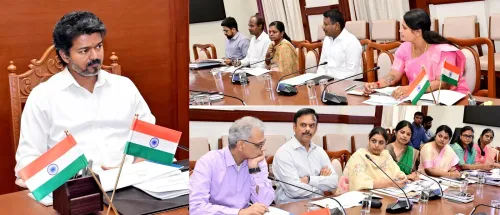
TN CM Joseph Vijay meets minority religious leaders at Secretariat
Synopsis
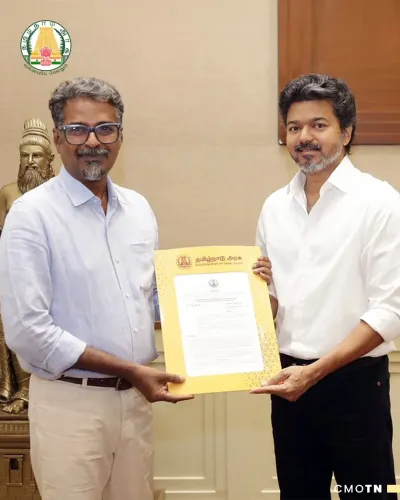
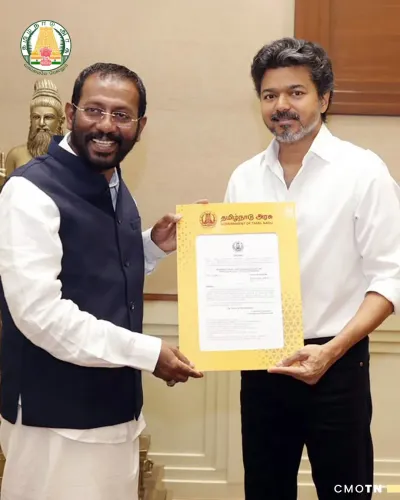
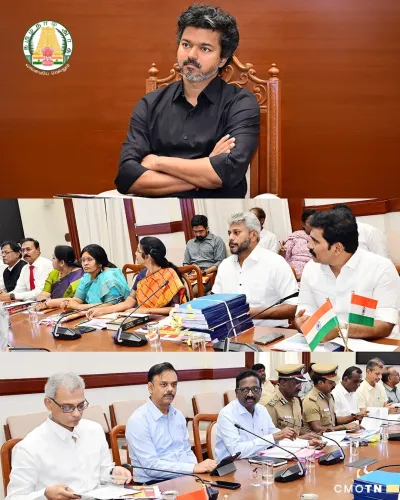
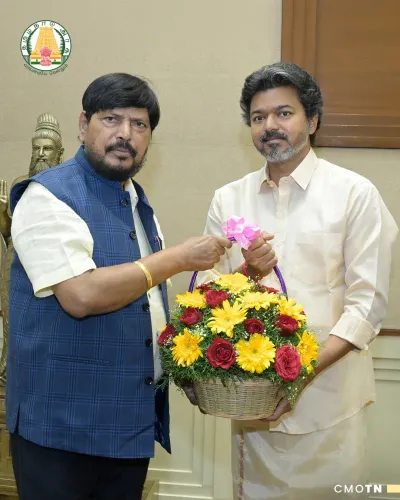
Chief Minister C. Joseph Vijay received a formal delegation of Christian clergy and Muslim leaders at the Tamil Nadu Secretariat on 10 August 2026, led by Minorities Welfare Commission Chairman Gna. Felix Gerald. The multi-faith meeting reflects the state's Dravidian tradition of structured minority community consultation.
Key Takeaways
Joseph Vijay met a multi-faith minority delegation at the State Secretariat, Chennai on 10 August 2026 .
The delegation was led by Gna.
Felix Gerald , Chairman of the Tamil Nadu State Minorities Welfare Commission .
Participants included prominent Christian figures such as Dr.
Paul Dhinakaran and multiple bishops, as well as Muslim leaders K.A.M.
Mohamed Aboobacker and Jawahar Ali .
The Tamil Nadu Minorities Welfare Commission is a statutory body overseeing welfare schemes for Muslim and Christian communities, with roots in Dravidian governance since the 1980s.
No specific policy announcements were made; the meeting follows Tamil Nadu's established pattern of formal minority community consultations.
Follow-up announcements on minority welfare scheme implementation or budget allocations may emerge in the coming months.
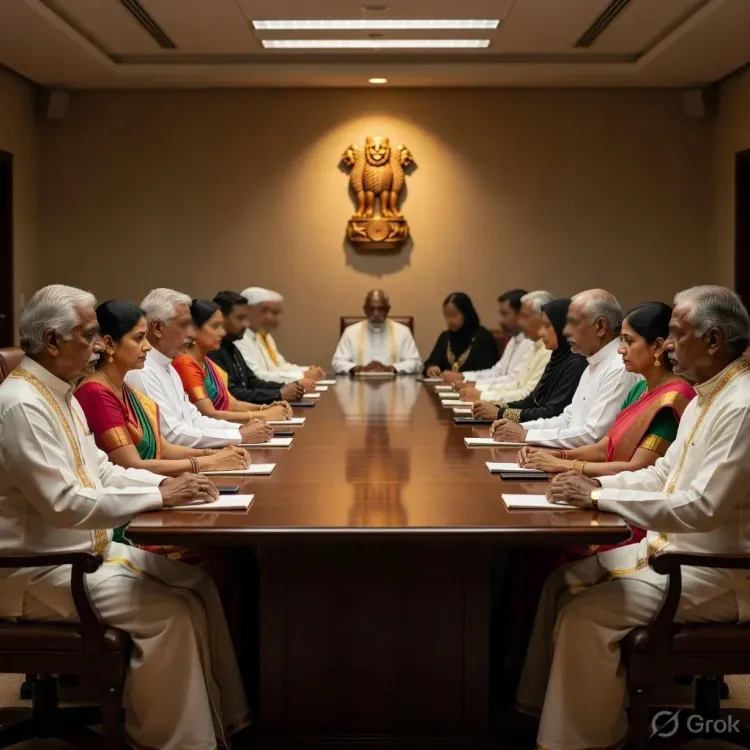
A broad coalition of Christian clergy and Muslim leaders walked into Tamil Nadu's seat of power on Monday, 10 August 2026, for a direct audience with Chief Minister C. Joseph Vijay — a meeting that signals the state government's continuing engagement with minority community welfare under the Dravidian tradition of inclusive governance. The Chief Minister's Office of Tamil Nadu announced the delegation's visit to the State Secretariat in Chennai via an official post on X.
The delegation was led by Gna. Felix Gerald, Chairman of the Tamil Nadu State Minorities Welfare Commission, the statutory body mandated to safeguard the rights of religious minority communities across the state. Alongside him were senior figures from both Christian and Islamic organisations, including Dr. Paul Dhinakaran, the prominent evangelist and head of the Jesus Calls ministry, as well as clergy members Rev. D. Mohan, Rev. Jayaseelan Gnanadheekam, Rev. David Prakasam, Pastor John Caleb, Bishop Rev. Dayananda, Bishop Rev. Dr. Peter Thomas, Bishop Rev. Christian Samraj Arputharaj, and Rev. Duraisamy. Muslim leaders K.A.M. Mohamed Aboobacker and Jawahar Ali were also part of the group.
The Commission that convened the meeting
The Tamil Nadu State Minorities Welfare Commission serves as the institutional bridge between minority communities and the state government. Its mandate covers implementation oversight of scholarships, skill development programmes, and welfare schemes targeted at Muslim and Christian populations — programmes that trace their lineage to Dravidian governance policies dating back to the 1980s. The Commission Chairman's role in leading the delegation underscores that this was a formal, structured consultation rather than a courtesy call.
Who was in the room — and why it matters
Dr. Paul Dhinakaran's presence is notable: as one of Tamil Nadu's most recognisable Christian public figures, his participation lends the meeting a weight that extends beyond routine administrative dialogue. The breadth of the delegation — spanning Catholic bishops, Protestant pastors, and Muslim community leaders — reflects a deliberate effort to present a unified minority voice to the Chief Minister. Such multi-faith consultations in Tamil Nadu have historically preceded announcements on scholarship disbursements, welfare budget allocations, or communal harmony initiatives.
No specific policy outcomes or decisions were announced in the official communication. The meeting's significance lies in the pattern it represents: Tamil Nadu's governments, across party lines, have maintained structured dialogue with minority religious institutions as a cornerstone of the state's secular governance model.
With the state's minority welfare schemes due for periodic review, the next few months may bring follow-up statements on implementation timelines or budget commitments — and this meeting is the starting gun.
Point of View
The CM's office signals that this is state business, not campaign optics. The presence of Dr. Paul Dhinakaran alongside Muslim leaders broadens the symbolic register beyond any single community. Watch whether concrete scheme announcements follow: in Tamil Nadu's political economy, such consultations rarely end without some downstream policy signal.
NationPress
25 Sept 2026
Frequently Asked Questions
Who did Tamil Nadu CM Joseph Vijay meet on 10 August 2026?
CM C. Joseph Vijay met a delegation of Christian and Muslim leaders at the State Secretariat, led by Tamil Nadu State Minorities Welfare Commission Chairman Gna. Felix Gerald. The group included Dr. Paul Dhinakaran, several bishops and pastors, and Muslim leaders K.A.M. Mohamed Aboobacker and Jawahar Ali.
What is the Tamil Nadu State Minorities Welfare Commission?
It is a statutory body set up by the Tamil Nadu government to protect the rights and welfare of religious minority communities, primarily Muslims and Christians, and to oversee implementation of state welfare schemes such as scholarships and skill development programmes.
Who is Dr. Paul Dhinakaran?
Dr. Paul Dhinakaran is a prominent Christian evangelist and leader of the Jesus Calls ministry, one of Tamil Nadu's most widely recognised Christian public figures, known for large-scale religious outreach across South India.
What decisions came out of the CM's meeting with minority leaders?
No specific policy decisions or announcements were made public following the meeting. Such consultations in Tamil Nadu typically precede follow-up actions on welfare scheme implementation or budget allocations.
Why does Tamil Nadu hold regular meetings between the CM and minority community leaders?
Tamil Nadu governments have maintained structured dialogue with minority religious institutions since the 1980s as part of the Dravidian model of inclusive, secular governance, using formal bodies like the Minorities Welfare Commission to channel community concerns to the state administration.