CM Joseph Vijay Chairs Disability Welfare Review at TN Secretariat
Synopsis
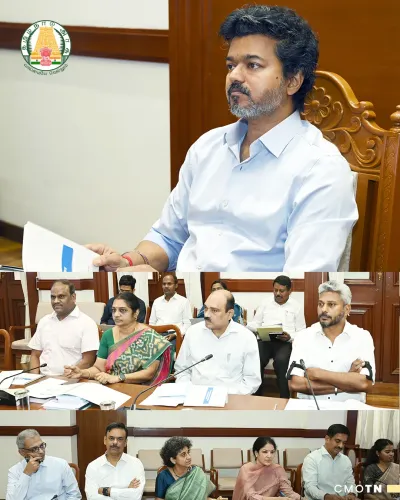
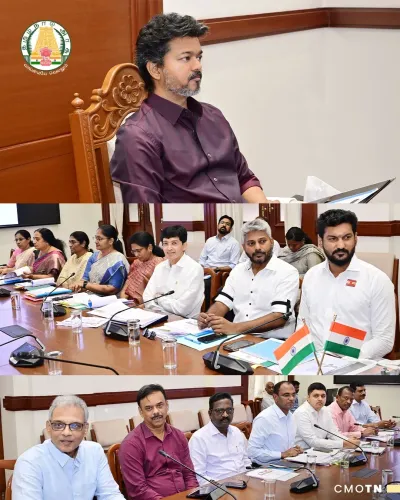
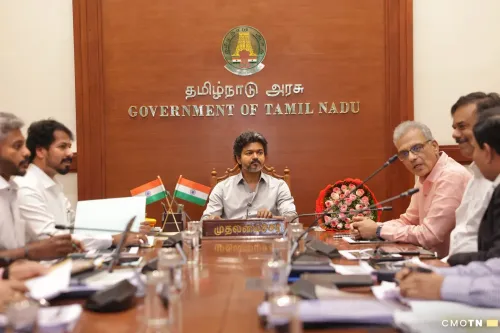
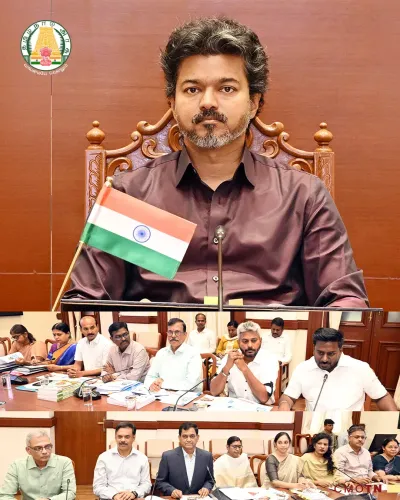
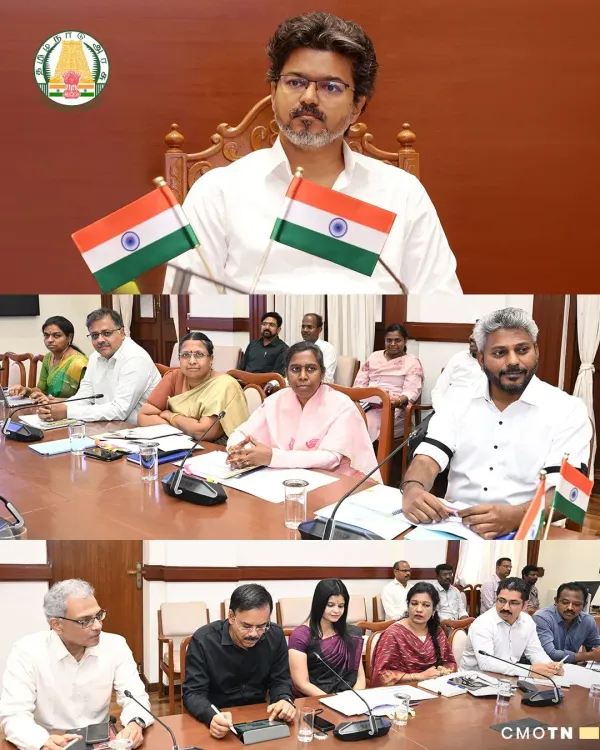
Chief Minister S. Joseph Vijay chaired a review meeting at the Tamil Nadu Secretariat on 7 July 2026, assessing the programmes and operations of the Welfare of Differently Abled Persons Department and the Special Schemes Implementation Department.
Key Takeaways
Joseph Vijay presided over a review meeting at the Tamil Nadu Secretariat on 7 July 2026 .
The meeting examined the activities and schemes of the Welfare of Differently Abled Persons Department .
The Special Schemes Implementation Department was also reviewed in the same session.
The review is part of Tamil Nadu's standard practice of Secretariat-level departmental performance assessments.
The Rights of Persons with Disabilities Act, 2016 forms the central legislative framework underpinning the state's disability welfare obligations.
Outcomes may influence budget allocations and scheme delivery for differently abled persons in the upcoming legislative assembly session.
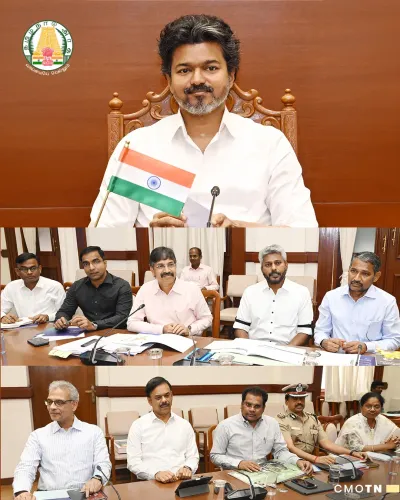
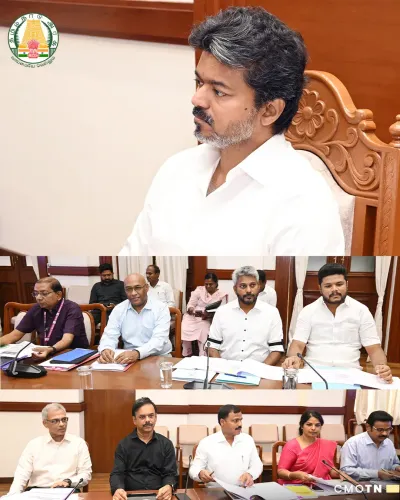
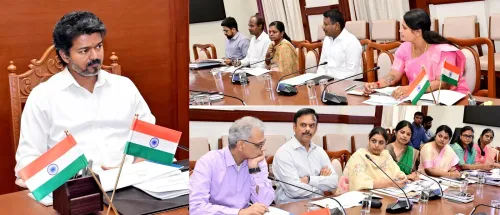
The Chief Minister's Office of Tamil Nadu announced on Tuesday, 7 July 2026, that Chief Minister S. Joseph Vijay chaired a review meeting at the Tamil Nadu Secretariat in Chennai, examining the programmes and operations of the Welfare of Differently Abled Persons Department and the Special Schemes Implementation Department.
The Tamil-language post from the official Chief Minister's Office account stated: 'மாண்புமிகு தமிழ்நாடு முதலமைச்சர் திரு.ச.ஜோசப் விஜய் அவர்கள் தலைமையில் இன்று (7.7.2026) தலைமைச் செயலகத்தில்...' — translating to: 'Under the chairmanship of the Honourable Chief Minister of Tamil Nadu, Mr S. Joseph Vijay, a review meeting on the activities and schemes of the Welfare of Differently Abled Persons Department and the Special Schemes Implementation Department was held today (7.7.2026) at the Secretariat.'
Context
The review was held at the Tamil Nadu Secretariat, the state's administrative nerve centre in Chennai, where cabinet-level assessments of departmental performance are a standard governance practice. Secretariat-level meetings of this kind are typically convened to evaluate scheme delivery, fund utilisation, and implementation gaps across social sector departments. The meeting signals the Chief Minister's direct oversight of welfare delivery for differently abled citizens across the state.
Policy Backdrop
The Welfare of Differently Abled Persons Department is the nodal state body responsible for pensions, assistive aids, rehabilitation programmes, and inclusive development initiatives targeting persons with disabilities in Tamil Nadu. Its mandate draws substantially from the Rights of Persons with Disabilities Act, 2016, a central legislation that expanded legal protections and welfare entitlements and placed corresponding obligations on state governments to operationalise them. The Special Schemes Implementation Department works in tandem, executing targeted cross-sectoral welfare initiatives that require coordinated administrative action.
Tamil Nadu has historically maintained dedicated administrative structures for disability welfare, with periodic internal reviews forming a cornerstone of its social sector governance architecture. Such reviews assess whether scheme benefits are reaching intended beneficiaries and whether departmental expenditure aligns with budgetary allocations.
Stakeholders and Impact
The primary stakeholders are differently abled persons across Tamil Nadu, who depend on state-administered pensions, aids and appliances, special schools, and rehabilitation services. Civil society organisations working in the disability sector, district-level welfare officers, and beneficiary families are also directly affected by the outcomes of such high-level reviews. Decisions emerging from Secretariat-level meetings can translate into revised scheme guidelines, enhanced allocations, or accelerated disbursement timelines at the ground level.
The involvement of the Special Schemes Implementation Department alongside the disability welfare body suggests the meeting may have also assessed convergence programmes that cut across multiple vulnerable groups, broadening the potential impact of any corrective or expansionary measures agreed upon.
What's Next
Outcomes of such review meetings typically feed into departmental action plans and may surface as policy announcements or budgetary revisions in the Tamil Nadu Legislative Assembly. Follow-up allocations, scheme performance reports, or new programme launches for differently abled persons are likely to be tracked in the next assembly session. Civil society groups and disability rights advocates will watch for any concrete commitments or revised targets that emerge from today's deliberations at the Secretariat.
Point of View
Such Secretariat-level reviews by the Chief Minister carry administrative weight — they typically compel departmental heads to accelerate pending disbursements and resolve implementation bottlenecks. This meeting fits into Tamil Nadu's long-standing tradition of structured welfare oversight, but the direct involvement of the Chief Minister elevates its political salience. The broader arc points to a governance posture that seeks to demonstrate delivery-focused leadership on inclusive development, a theme with resonance among Tamil Nadu's large population of differently abled citizens and their families.
NationPress
6 Oct 2026
Frequently Asked Questions
What was the review meeting chaired by CM Joseph Vijay about on 7 July 2026?
Chief Minister S. Joseph Vijay chaired a review meeting at the Tamil Nadu Secretariat on 7 July 2026 to assess the programmes and operations of the Welfare of Differently Abled Persons Department and the Special Schemes Implementation Department.
What does the Welfare of Differently Abled Persons Department in Tamil Nadu do?
The Welfare of Differently Abled Persons Department is the state nodal body responsible for pensions, assistive aids, rehabilitation programmes, and inclusive development initiatives for persons with disabilities in Tamil Nadu.
What is the Special Schemes Implementation Department in Tamil Nadu?
The Special Schemes Implementation Department is a Tamil Nadu government body tasked with executing targeted welfare and development programmes across sectors, often working alongside other social sector departments.
Which central law governs disability welfare in Tamil Nadu?
The Rights of Persons with Disabilities Act, 2016 is the central legislation that expanded legal protections and welfare entitlements for persons with disabilities, placing obligations on state governments including Tamil Nadu to implement its provisions.
What happens after a Secretariat-level review meeting in Tamil Nadu?
Outcomes of such reviews typically inform departmental action plans and may result in revised scheme guidelines, enhanced budget allocations, or new programme announcements, often reflected in subsequent Tamil Nadu Legislative Assembly sessions.